
- calendar_today October 13, 2026
Trump Announces $50 Billion Korean Investment in Alaska LNG
Late last month, President Donald Trump announced that South Korea would invest more than $50 billion in the Alaska LNG natural gas pipeline. This declaration was made during an Oval Office event and has since sparked discussions among state lawmakers and international officials about the future of the proposed pipeline project.
Korean Officials Set Conditions for Participation
However, Korean officials have clarified that their country has made no formal commitment to the investment. At a recent lunch with Alaska state lawmakers in Anchorage, Korean representatives said any consideration of investment would only happen after the project's developer, Glenfarne, reaches a final investment decision (FID). Democratic state Senator Bill Wielechowski reported, "They said after the final investment decision is made, then they’ll consider investing in the project if it’s commercially reasonable. It was very clear that there’s just zero decision made by the Republic of Korea to invest in this project at this point." The Korean consulate in Anchorage did not issue a public response to questions on the matter.
Investment Requires Commercial Viability
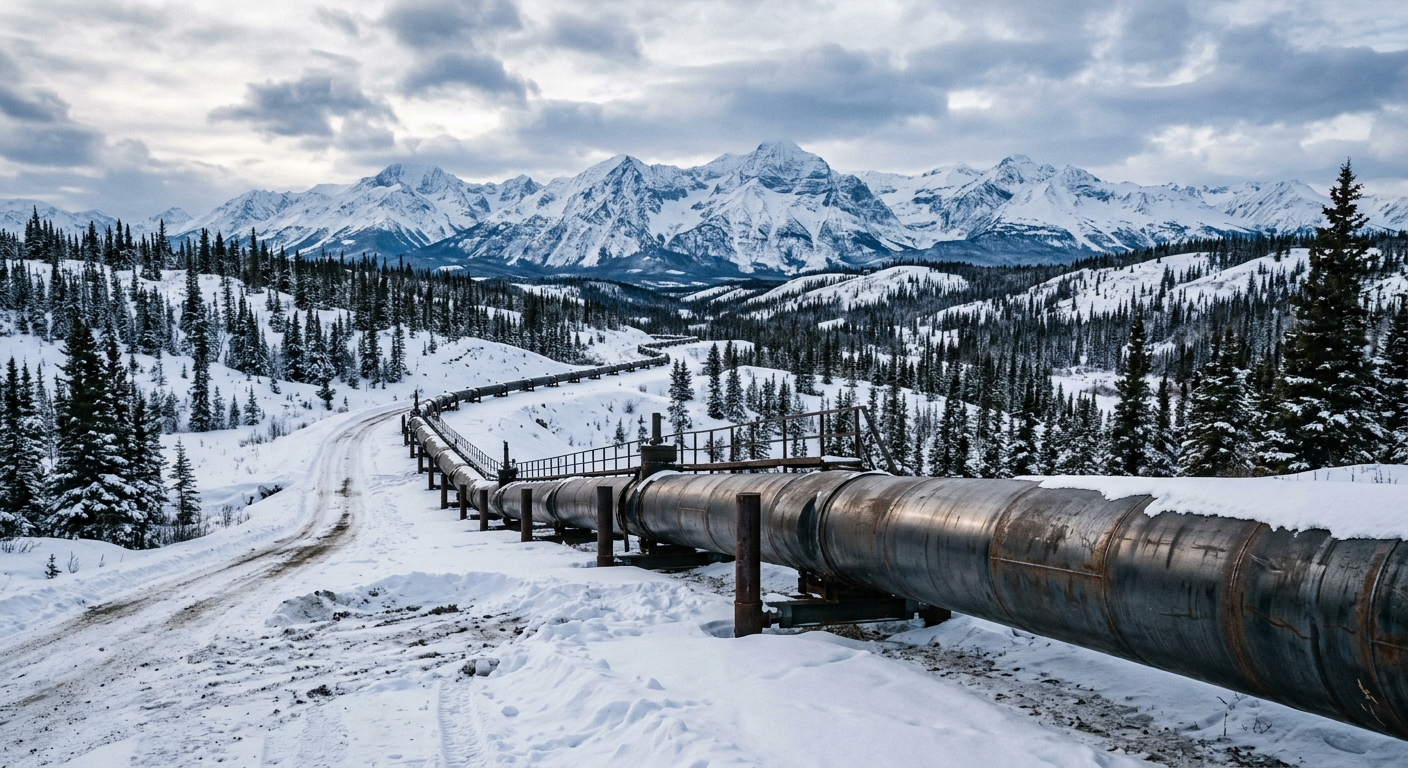
Officials from South Korea emphasized that any eventual investment in the Alaska LNG would need to be commercially attractive, offering better returns than alternatives such as U.S. government bonds. The high gas project costs associated with Alaska LNG have made it difficult for the state to win firm commitments from potential buyers at sustainable prices. Although the state has promoted the pipeline — which would stretch 807 miles — as a means to boost the treasury and secure low-cost energy for Alaskans, financing and binding contracts remain elusive.
Geopolitical Tensions Add Strategic Value
Disruptions to natural gas shipping from the Middle East to Asia, caused by the ongoing Iran War, have added strategic value to projects like Alaska LNG. South Korea’s trade minister Kim noted before a National Assembly panel that "After the Middle East war, there is clearly a part where new strategic value has emerged." Victor Cha of the Center for Strategic and International Studies suggested that South Korea may be willing to take more risk and pay a premium, given the importance of energy security and the country’s alliance with the United States.
Competition from Cheaper Alternatives
The Alaska natural gas pipeline faces stiff competition from both U.S. Gulf Coast projects and Canada’s LNG Canada terminal, which offer lower gas project costs. According to a Reuters report, Alaska LNG could cost nearly double per gas unit compared to Gulf Coast rivals. The LNG Canada project in British Columbia, in which state-run KOGAS already has a stake, plans to double its capacity to 28 million metric tons per year—delivering more gas for roughly the same investment. Jason Feer, an expert at Poten & Partners, highlighted that buyers must decide if Alaska’s logistical advantages justify higher costs.
Contractual and Market Hurdles Remain
Despite rising asia lng demand and the attractive narrative of diversifying energy sources for U.S. allies, buyers have so far not been willing to sign contracts at premium prices for Alaska’s gas. Feer indicated that while nonbinding letters of intent have been signed, no firm purchase agreements at market-beating prices have materialized. "The project has a lot of work to do before you get across the finish line," he said.
Political Dynamics and the Road Ahead
During a recent visit to Anchorage, Vice President J.D. Vance acknowledged ongoing uncertainty, stating that political dynamics in South Korea play a role in the decision-making process. Vance affirmed the administration’s intention to advance the pipeline investment, even suggesting that Japan or other nations might be potential partners if needed. However, the investment remains far from certain as commercial, geopolitical, and pricing issues persist.
Source: ktoo.org.


