- calendar_today July 17, 2026
Alaska could see heightened concerns over natural gas storage and supply this winter after the state’s top utility regulator denied Enstar Natural Gas’s request to expand its kenai storage capacity. The decision has intensified debates around alaska natural gas reliability as temperatures drop across the region.
Enstar’s Storage Proposal and Regulatory Hurdles
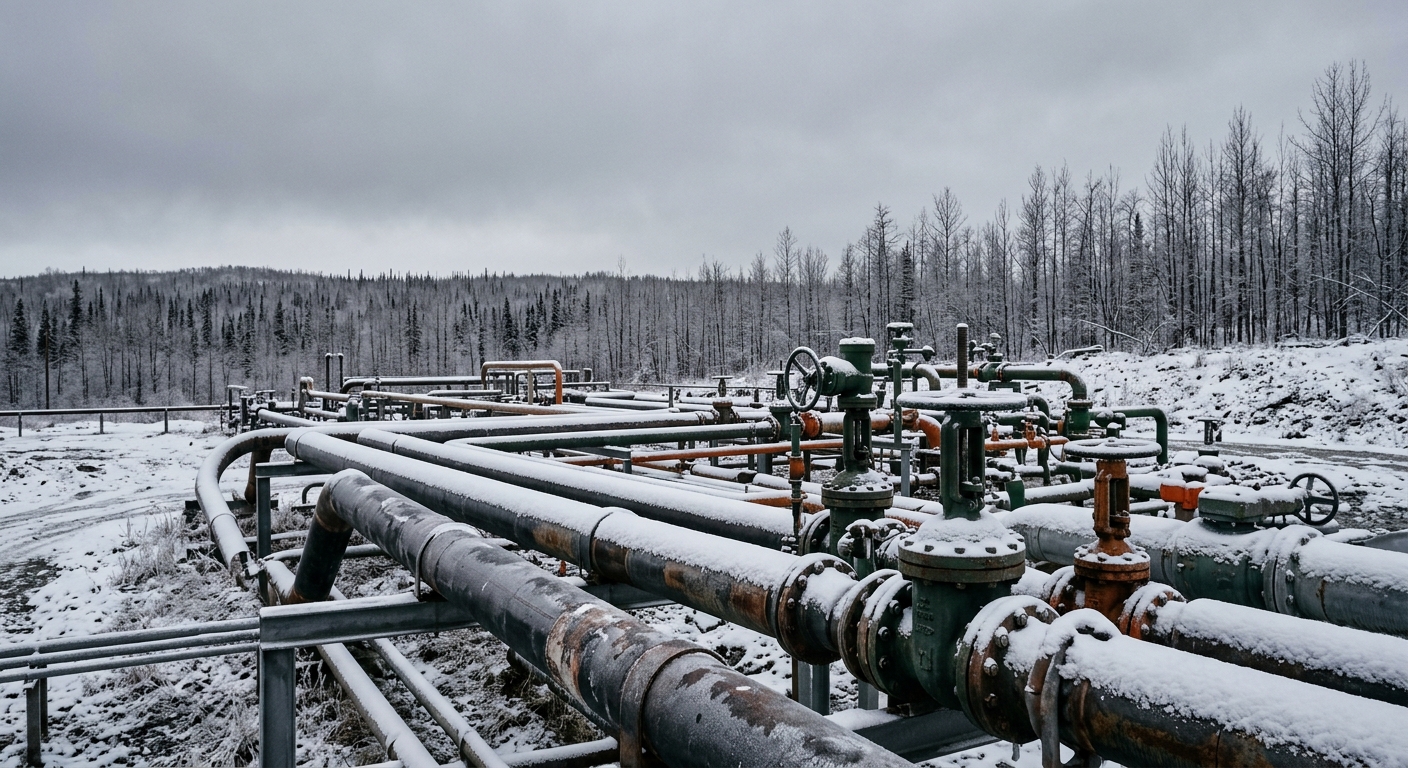
Enstar Natural Gas, which services more than 150,000 customers throughout Southcentral Alaska, sought approval from the regulatory commission to convert the Kenai Loop Pool into an expanded energy storage hub. The plan aimed to ensure a secure winter gas supply during colder months, a critical period when gas usage spikes in Alaska. However, the regulatory commission cited uncertainties regarding the timing and available capacity of this expansion, as well as overlapping interest from other applicants, as key reasons for their decision to withhold approval.
Potential for Gas Shortage Signals Winter Challenges
The rejection of the kenai storage expansion has sparked renewed concern about a potential gas shortage in the coming season. John Sims, Enstar’s president, warned that unless new gas production or storage alternatives are implemented soon, the company may have to introduce gas conservation measures affecting both households and businesses. These possible measures underline the precarious state of alaska natural gas supply and its pivotal role in local energy infrastructure.
Weighing Project Costs and Ratepayer Impacts
The estimated $240 million project would have increased customer bills by approximately $10 to $12 per month, a cost that divided local stakeholders. While several state agencies supported the project, some property management organizations voiced concerns over the increased financial burden on ratepayers. Enstar’s leadership argues that securing expanded energy storage is a necessary step to safeguard regional energy demands, yet the debate exposes the ongoing tension between meeting energy needs and limiting consumer costs in Alaska.
Regulatory Decisions and the Search for Alternatives
Despite the setback, Enstar intends to file a petition for reconsideration with the regulatory commission. In parallel, the company is actively investigating alternative energy infrastructure options, although these may require even larger investments. The complexity and costliness of expanding alaska natural gas storage facilities reflect the broader challenges faced in maintaining adequate gas supply for the region.
Long-Term Options: Importing LNG Comes at a Price
Should local energy storage and production remain insufficient, importing liquefied natural gas (lng import) has been identified as a longer-term fallback. Analysts caution, however, that reliance on lng import would likely result in significant rate increases for consumers, putting additional strain on household energy budgets throughout Alaska. The possibility of importing gas highlights the importance of investing in efficient energy storage and sustainable gas production within the state.
Broader Implications for Alaska’s Energy Future
This latest regulatory development shines a light on the broader challenges of balancing regional energy needs with cost-effectiveness and regulatory oversight. As the winter gas supply becomes a pressing issue, industry leaders, policymakers, and community stakeholders are scrutinizing both short-term interventions and strategic long-term energy infrastructure choices. The ongoing debate will influence how Alaska navigates fluctuating gas production levels and ensures reliable energy for its residents well into the future.