
- calendar_today October 10, 2026
New Sea Sponge Discoveries Off Alaska’s Coast
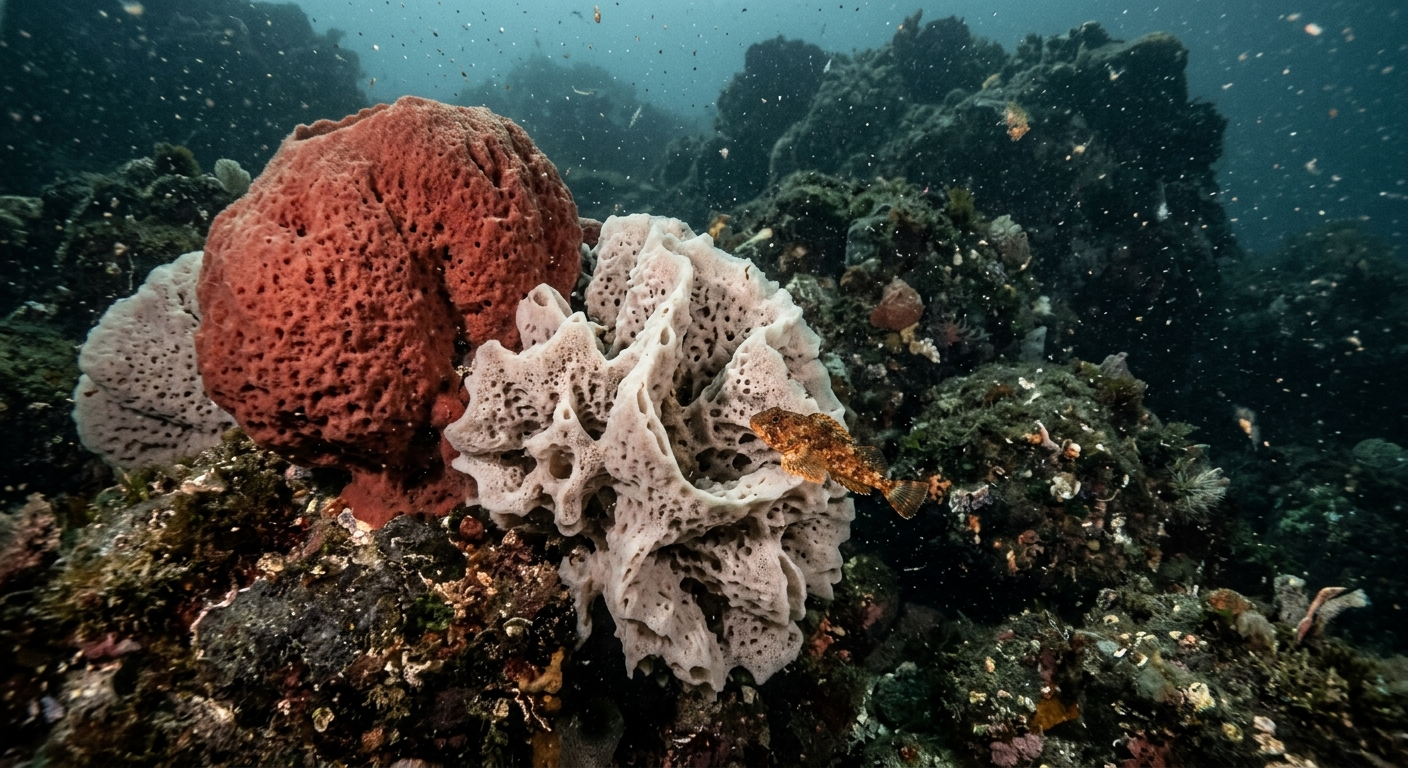
Alaska’s vast and relatively unexplored ocean floor has yielded a remarkable scientific discovery: nine previously unknown species of deep sea sponges. Among these, one species represents an entirely new genus, an unprecedented find for the region. These discoveries are the work of the National Oceanic and Atmospheric Administration (NOAA) Fisheries’ ongoing efforts to study Alaska’s coral and sponge habitats.
Significance of Alaska Sea Sponges in Marine Ecosystems
Sea sponges, although simple organisms, play a crucial role in supporting the marine ecosystem. They construct structures on the seafloor, help filter seawater, and offer essential habitat for fish populations, serving as nurseries and protection from predators. Researchers also note that sea sponges possess chemical compounds that may contribute to new medical applications. "They’re the backbone of a healthy ocean. They provide essential habitat for fish as nurseries and protective grounds from predators," said Cooper Freeman, Alaska director of the Center for Biological Diversity.
Process Behind the Discovery
The identification of the nine new sponge species was the result of NOAA Fisheries' trawl surveys, which gathered samples between 1997 and 2022. Due to the complexities involved in studying these animals—such as the need for microscopic examination of internal spicules—there can be significant lag time between collection and identification. Using both morphological analysis and DNA testing, scientists determined the distinctiveness of these new species. Notably, Polycapus rubrum was named for its multi-layered, red spicule structure, which scientists found had never been observed before in sponge science. Another surprising find, Julavis borealis, is related to tropical sponges, but was discovered far north in Alaska’s waters.
Distribution and Mapping Challenges
Of the new species, seven were found in the central and Western Aleutians, with two in the Gulf of Alaska and others occurring in both regions, at ocean depths ranging from 50 to 500 meters. Despite these advances, significant knowledge gaps remain: about 61% of Alaska’s seafloor has yet to be mapped with high-resolution sonar, according to NOAA biologist Sean Rooney. Challenges such as Alaska’s vast territory, extreme weather, and seasonal sea ice complicate further exploration. Even with sonar, information is largely limited to seafloor contours, not the living habitat or organisms present.
Fishery Management and Bottom Trawling Impacts
The discovery of the new alaska sea sponges has reignited debate about commercial fishing practices, particularly bottom trawling. Most of the Aleutian region is closed to bottom trawling to protect vulnerable coral and sponge habitats, thanks to protective measures enacted in 2006. However, some areas remain open, and most of the Gulf of Alaska is still accessible to bottom trawlers, with only limited coral- or seamount-protection zones in place.
Environmental groups, including Oceana, have campaigned to extend bottom trawling bans in the Gulf of Alaska. Despite a recent lawsuit that was unsuccessful, efforts persist, with proposals presented to the North Pacific Fishery Management Council. Midwater (or pelagic) trawling, widely used for Alaska pollock, is also under scrutiny. Studies show that trawl gear intended for midwater operations often makes unintended contact with the seafloor, posing risks to both the coral and sponge habitats and occasionally harming juvenile crab.
Trawl Gear Bycatch and Next Steps in Fishery Oversight
Bycatch data compiled from 2005 to 2025 indicate substantial impacts on marine habitats: the bottom trawl fleet reported 8.8 million pounds of sponges and 1.1 million pounds of corals as bycatch, while pelagic trawlers recorded 9,408 pounds of sponges and 82,580 pounds of corals. The Fishery Management Council has recognized the issue of unintended seafloor contact from midwater trawl gear and directed staff to assess solutions, with findings expected to be presented in May next year.
Ongoing Research and Conservation Efforts
While the newly identified sponge species highlight the richness and vulnerability of Alaska’s marine ecosystem, they also underscore the complex challenges of managing and protecting these deep sea resources. With more than half of the Alaska seafloor still unmapped and knowledge about its inhabitants only beginning to grow, further research and thoughtful fishery management will be vital for sustaining this unique underwater world.
Source: ktoo.org.


