- calendar_today August 22, 2025
Alaska’s retail market watches with interest as struggling demand hits Lululemon. Discover how these struggles could affect local businesses and consumer trends in the state.
Lululemon, the high-end sportswear chain popular among health club enthusiasts, is facing serious woes as its sales tank following plummeting consumer demand and market forces. This trend has sent jitters across the retail sector, and Alaska business communities are no exception. With efforts by the brand to retain its one-time supremacy in the sports apparel segment, Alaska retailers, consumers, and economists alike are weighing the potential ripple effect on the state’s retail economy.
As the retail sector in Alaska continues to change with the altering consumer trends and economic challenges, it’s vital to discover how local firms, consumer patterns, and future retail enterprises in the state could be impacted by Lululemon’s demand decline woes
The Impact of Lululemon’s Downward Trend on Alaska’s Retail Market
Among the reasons for declining demand for Lululemon are doubts about the retailing future in Alaska. The following are some of the reasons why consumers and businesspeople in Alaska are apprehensive:
- Price Sensitivity Amid Economic Strains
Lululemon price hikes have now become a top-of-mind worry for consumers, with inflation still taking a bite out of household wallets. Most Alaskans, as accustomed to the state’s high cost of living as they already are, now find it increasingly harder to swallow Lululemon’s premium prices on its products. Consumers are therefore looking for lower alternatives, and this is something which is being seen by local retailers.
- Increased Competition in the Athleisure Market
The athleisure market is booming, with several competitors selling products similar to Lululemon at reasonable prices. Competitors like Athleta, Fabletics, and even mass players like Old Navy and Target have been attracting buyers seeking good quality sporting wear without the hefty price tag. In Alaska, where consumers are extremely price-conscious, these competitors are penetrating the market heavily.
- Shifting Consumer Habits
The pandemic originally raised the demand for multipurpose and comfortable activewear, but as individuals get back to more traditional work environments and lifestyles, there is a decline in athleisure demand. In Alaska, where outdoor living and casual dressing are popular, consumers remain interested in functional attire, but they want to be more selective over the brands that they prefer, choosing those with higher value for money.
How Alaska Retailers Are Adapting to Lululemon’s Stumble
Lululemon’s stumble has made the retail market in Alaska change its approach to the activewear market. The retailers and business leaders are applying different strategies to adapt to such changes and not lose money:
- Expansion of Product Line
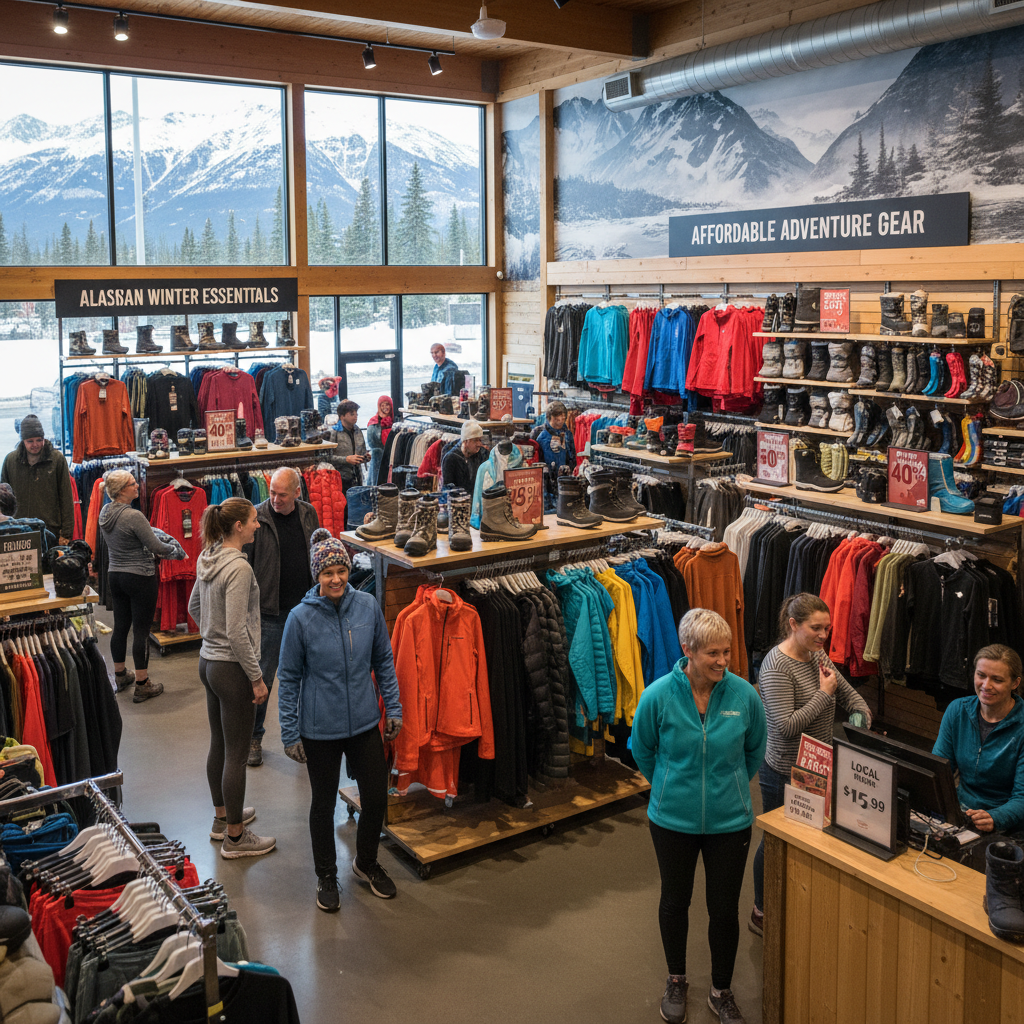
Alaska stores are broadening their product offerings to stock more athletic apparel brands. Stores around town are now stocking mid-range store brands like Athleta, Fabletics, and other comparable stores that target price-conscious consumers. Through offering more affordable lines, these stores are able to compete better with Lululemon and attract a broader customer base.
- Emphasizing Value and Versatility
In response to the price challenge of Lululemon, Alaska stores are emphasizing clothing that is a blend of style, comfort, and value. By emphasizing versatility, where apparel is both useful for outdoor pursuits and everyday use, Alaska stores are gaining the loyalty of Alaskan consumers who value quality and convenience. The action ensures customers are getting the best value for their money.
- Expanding E-Commerce Channels
As increasing numbers of people are buying online, many Alaskan businesses are investing in e-commerce websites to keep pace with changing shopping behavior. Local businesses are optimizing their presence on the web, offering convenient shopping, and adding features like free shipping and easy returns to compete against the larger national brands. They are doing this in an attempt to capture an increasing proportion of the market as more and more people use the internet to make purchases.
Consumer Behavior in Alaska: Adapting to Economic and Market Trends
Decline in the demand of Lululemon has made major changes in the consumer behavior across Alaska. With the increasing price sensitivity and competitiveness, consumers are becoming more cautious in their buying decisions:
- Doing Well with Cheaper Options
As Lululemon prices become more and more indefensible to a lot of Alaskans, consumers are seeking out less costly alternatives that will not compromise quality and performance. Athletic apparel stores like Athleta, Old Navy, and local athletic wear shops are profiting on the business, offering products that promise affordability without compromising functionality.
- Prioritizing Multi-Use Apparel
Alaskan customers are increasingly interested in buying items of clothing that can be used for multiple purposes, including fitness and regular use. The market is no longer looking for one-purposeful types of clothing, and this is challenging the way activewear is packaged and sold. Alaska stores have responded by offering multi-use pieces that ensure customers’ purchases yield the most value.
- Support for Local Shops
As shoppers become increasingly aware of their pocketbooks, shoppers are turning to local shops that are providing comparable prices and personal service. This phenomenon can be felt most strongly in Alaska, where living expenses are higher and shopping locally is a number one concern. Stores that can provide quality athletic gear at reasonable prices are growing in popularity among consumers who want to make smart, value-driven purchases.
The Future of Alaska Retail Market
As much as Lululemon’s struggling sales have made Alaska retail market nervous, the business community in the state is fighting back by diversifying product offerings and focusing on value for consumers. Lower-priced and versatile activewear is likely to remain the trend, with local businesses taking the lead in offering alternatives to luxury goods.
As competition in the athleisure segment continues to grow, Alaska’s retail stores will have no choice but to continue monitoring the movement of consumer preferences and revisit their approaches accordingly. By being flexible, providing value-for-money products, and attending to local requirements, Alaska’s retail sector can thrive even as Lululemon is struggling.
Conclusion
Lululemon’s recent demand crisis has caused a lot of controversy in the retail business in Alaska, hence triggering a new consumer behavior and local business pattern. Retailers are diversifying product lines, with flexibility, and strengthening e-commerce sites in an effort to meet the growing demand for cheap alternatives. With the retail landscape changing further, business ventures that are capable of adapting to this will be very well placed to succeed in Alaska’s competitive market.