- calendar_today September 23, 2026
ANCHORAGE — Alaska’s 2025-2026 flu season saw a notable rise in influenza deaths, according to a new annual report by the Alaska Section of Epidemiology, putting statewide health precautions into sharp focus.
Flu Season Alaska: Steep Climb in Influenza-Related Fatalities
The latest annual flu report reveals that the flu season in Alaska resulted in 36 influenza deaths, a significant increase compared to 25 fatalities last year and only 10 the previous season. This escalation underscores the ongoing challenges faced by public health officials and residents alike as Alaska continues to grapple with harsh winter flu cycles that stretch from October through July. The state’s uptick in influenza deaths mirrors a national pattern of increased flu severity noted across several regions.
Low Flu Vaccination Rates Fuel Concern
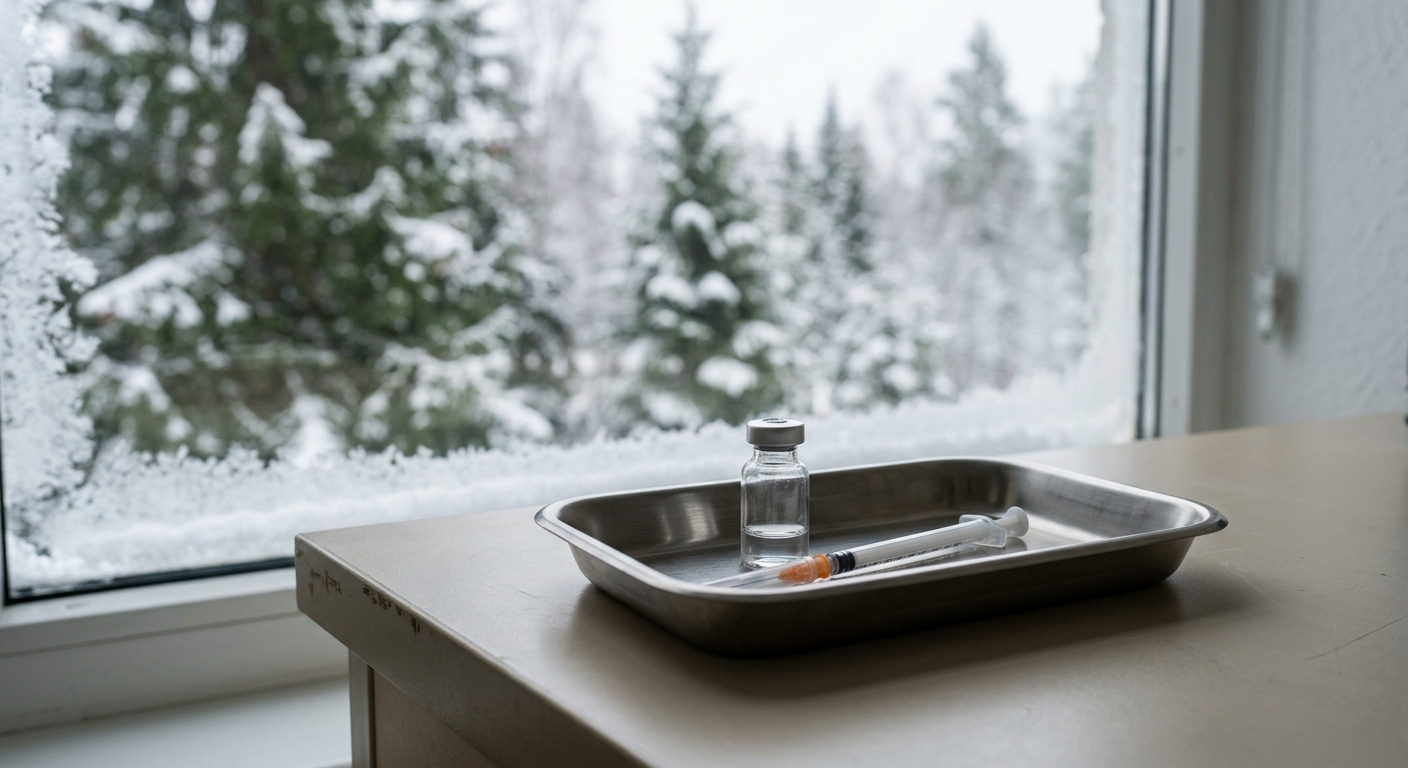
Experts attribute much of the rise in severe flu outcomes to persistently low flu vaccination rates among Alaskans. Data indicates that only 22.7% of adults over 19 years old in Alaska received a flu shot, falling far behind the national average that exceeds 50%. The gap in vaccination coverage is particularly troubling for medical professionals who stress that higher rates of immunization are key to reducing the burden of the flu season Alaska communities experience each year.
Spike in Cases, Reduced Vaccine Effectiveness
The flu cases alaska documented this season climbed notably, with a pronounced spike in November that closely followed national influenza activity trends. In addition to low vaccination uptake, this season saw decreased vaccine effectiveness against circulating influenza strains. Health officials warned that this combination of factors resulted in more severe cases and contributed directly to the elevated mortality rate. The flu statistics alaska presents reinforce calls for robust flu prevention strategies in advance of future seasons, especially as new viral strains pose changing risks each year.
Flu Prevention Efforts and COVID Mask Impact
Reflecting on patterns from prior years, officials noted that strict COVID-19 prevention measures, including widespread mask usage, dramatically reduced influenza transmission across 2020 and 2021. This covid mask impact was evident, with far fewer hospitalizations and deaths during those seasons. However, as COVID-19 protocols faded, traditional flu prevention strategies are once again the primary shield for communities. Health authorities recommend frequent handwashing, staying home when ill, and, most critically, timely vaccination for all Alaskans without medical contraindications aged six months and older.
Preparing for the 2026 Flu Season
State health officials warn that flu season 2026 may again challenge Alaska’s healthcare capacity if vaccination rates do not improve. The Alaska Section of Epidemiology hopes its report will prompt residents to heed flu shot recommendations, especially as early data shows flu cases already ticking upwards since mid-August. Alaska’s public health partners, clinics, and local organizations encourage everyone eligible to receive annual flu immunizations to help protect both themselves and vulnerable neighbors.
Community Response and Looking Forward
As Alaska communities reflect on a season marked by heightened risk, the renewed focus on vaccination and annual flu report findings aim to foster stronger collective immunity. Public health agencies across the region continue to distribute educational resources and facilitate easier access to flu vaccines, hoping to reverse downward trends in coverage before next year’s virus cycle takes hold. The experience of the past three years illustrates the importance of ongoing vigilance and community engagement to limit future influenza deaths in Alaska.