- calendar_today August 10, 2025
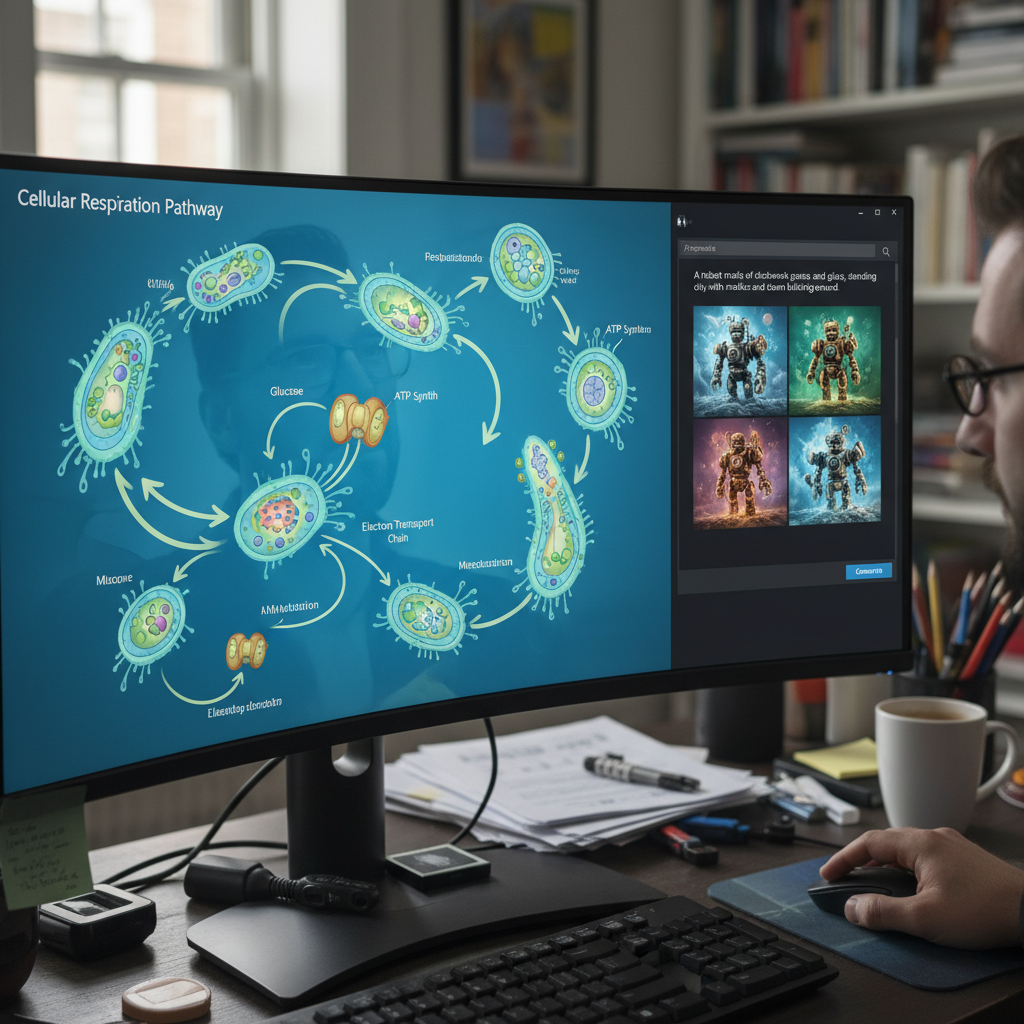
“Images in ChatGPT,” a revolutionary feature by OpenAI, enables direct image generation capabilities within the ChatGPT interface. The GPT-4o model enables users to generate images during their conversations, which represents a major advancement in AI content creation.
Users on all ChatGPT subscription plans, including Plus, Pro, Team, and the free version, now have access to the “Images in ChatGPT” feature, which broadens advanced image generation capabilities to everyone. The free tier users of OpenAI have daily usage restrictions of about three images, which are comparable to those of DALL-E 3, and Taya Christianson from OpenAI stated that these limits could vary with user demand. Users who want to use DALL-E directly will keep access through a special GPT application.
OpenAI’s research lead Gabriel Goh emphasized GPT-4o’s transformative qualities by calling it an “omnimodal” model that processes text, images, audio, and video data types. The model now demonstrates enhanced “binding” capability, which effectively resolves a major problem encountered during AI image generation. GPT-4o demonstrates superior capability to handle 15 to 20 objects without confusing colors or shapes, unlike older models, which frequently mixed them.
The most significant improvement lies in the system’s enhanced text rendering capabilities. AI-generated images are used to display text that was often unclear or meaningless. Goh described how the development process required numerous iterations over many months to achieve success. Although perfect text rendering for small text still poses difficulties, the team successfully reached a consistent standard, which makes text in images reliably usable.
Instead of using the diffusion models found in standard image generators, the system employs an architecture based on autoregressive principles. The autoregressive approach, which creates images by generating pixels from left to right and top to bottom, similar to text generation, likely leads to better text rendering and binding capabilities.
In a demonstration, OpenAI presented the system’s various capabilities, including the creation of scientific diagrams with precise labels like Newton’s prism experiment and multi-panel comics with consistent characters and dialogue, while also designing informational posters with accurate text. The presentation demonstrated practical uses of the system, which included the creation of transparent background images for stickers and restaurant menus, and logos.
ChatGPT’s multimodal product lead, Jackie Shannon, highlighted how the system utilizes extensive world knowledge. She explained that when she creates an image, she utilizes her personal skill boundaries and the world knowledge she has accumulated. You can request an image of Newton’s prism experiment from the model because it incorporates world knowledge, which renders explanation unnecessary.
Even though image generation now requires more time than previously, OpenAI believes that improved quality and features make this delay worthwhile. The waiting time is justified by the superior quality and capabilities of these images, combined with their embedded world knowledge, despite the need for latency improvements according to Shannon.
OpenAI responded to misuse concerns by emphasizing that strong safeguards are in place. The system works to block sexual deepfake generation while preventing watermark removal and rejecting CSAM requests. OpenAI images carry standard C2PA metadata, which identifies them as OpenAI creations even though they lack visual watermarks. Internal image verification tools are maintained by the company.
Shannon confirmed that while perfection in this domain is unachievable, their organization remains committed to enhancing protective measures and considers their current system as the initial phase. Users have full ownership rights over images created through ChatGPT, which they can freely use as long as they comply with our usage policies.
The addition of advanced image creation capabilities to ChatGPT marks an important advancement in artificial intelligence innovation. Through enhanced binding techniques and text rendering capabilities, and robust safeguarding measures, OpenAI proves its dedication to creating both powerful and responsible AI tools. The company demonstrates innovation in image generation by adopting an autoregressive method, which moves away from standard diffusion models. OpenAI demonstrates its dedication to ethical practices and transparency by making user ownership and metadata integration central to its approach to AI-generated content. The launch establishes new benchmarks for both accessibility and power in AI image generation technology alongside proactive risk management approaches.