- calendar_today August 7, 2025
Alaska’s housing landscape is defined by extremes—from its unforgiving geography to its climate-resilient infrastructure needs—creating one of the most complex affordability challenges in the United States. For communities spread across the vast state, especially rural and Indigenous populations, accessing stable and affordable housing has become increasingly difficult.
The 2023 “Out of Reach” report by the National Low Income Housing Coalition paints a stark picture: a full-time worker in Alaska must earn over $25 an hour to afford a modest two-bedroom rental without spending more than 30% of their income. Yet, the average renter wage falls short of this benchmark, exacerbating the gap between income and housing costs.
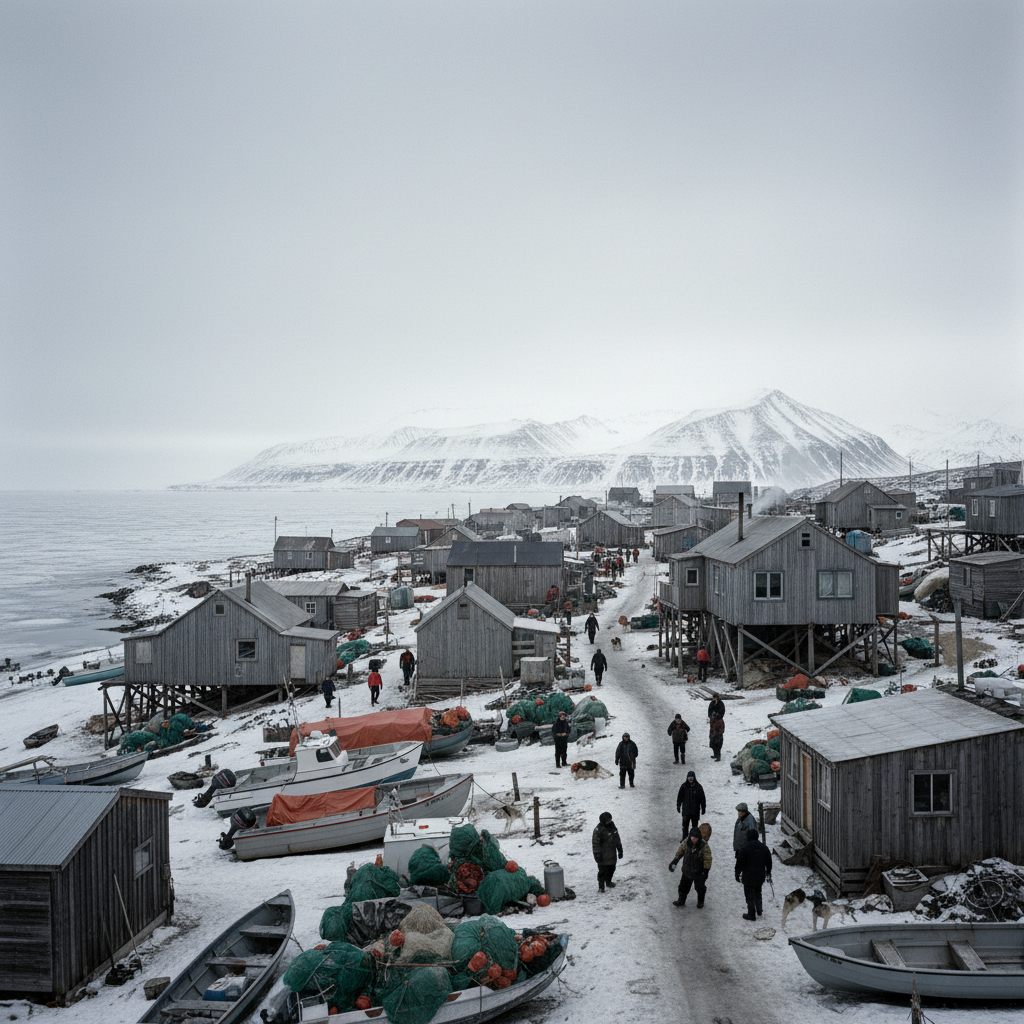
Rural Alaska communities, home to many Alaska Native tribes, often face even more acute conditions. In many villages, housing shortages are so severe that extended families are forced to live in overcrowded, deteriorating homes that lack basic amenities like plumbing or reliable heating.
Tribal leaders and housing advocates emphasize that these issues are rooted in decades of underfunded infrastructure investment. As a result, local housing authorities often rely on intermittent federal grants to build or repair homes. While helpful, these funds seldom keep pace with rising material and labor costs, especially in remote locations where shipping alone can account for a large portion of a project’s budget.
High Construction Costs and Climate Barriers Slow Progress
Building in Alaska comes with its own set of challenges. Permafrost, high winds, and remote access points make standard construction practices costly or unfeasible. Labor shortages compound the issue, especially in isolated regions where skilled workers are in short supply and may need to be flown in at great expense.
Additionally, climate change is reshaping the way housing must be designed in the state. Erosion from melting permafrost and increased storm activity are threatening existing structures and forcing entire communities to consider relocation. Projects like the Mertarvik relocation effort, where the Newtok Village Council is moving an entire village inland due to climate vulnerability, have garnered national attention for highlighting Alaska’s housing fragility.
Federal and State Initiatives Target Resilient Solutions
In recent years, the state government, in coordination with tribal organizations and federal agencies, has stepped up efforts to address the housing crisis. The Alaska Housing Finance Corporation (AHFC) has expanded its programs for low-income renters and homeowners, offering rental assistance, weatherization services, and home improvement grants.
Meanwhile, federal legislation has earmarked new funding for tribal housing construction under the Indian Housing Block Grant (IHBG) and the Native American Housing Assistance and Self Determination Act (NAHASDA). These resources are being directed toward not only building homes but making them more resilient—an essential priority in a region experiencing accelerated climate impacts.
Innovation in Design: Sustainability Meets Tradition
Several Indigenous-led architectural firms and nonprofit housing developers are rethinking how homes are built in Alaska. Drawing on traditional Native designs, they are creating energy-efficient, culturally appropriate dwellings that minimize heating costs and environmental impact.
For example, the Cold Climate Housing Research Center in Fairbanks collaborates with local communities to create prototypes tailored to specific environmental conditions. These designs include elevated structures for flood zones, super-insulated walls for extreme cold, and modular systems that can be shipped and assembled on-site with minimal waste.
A Long Road Ahead for Equitable Housing
Despite recent funding increases and policy shifts, housing experts warn that systemic gaps remain. Waitlists for affordable housing remain long in cities like Anchorage, Fairbanks, and Juneau, while many remote villages have no formal rental markets at all. Alaska’s housing agencies are now calling for multi-year investment strategies that account for geographic, economic, and cultural factors.
“Alaska’s housing crisis is not just about affordability—it’s about resilience, equity, and long-term survival,” said Joelle Hall, president of the Alaska AFL-CIO, in a recent housing policy forum. “We need to build not just homes, but futures.”