- calendar_today June 18, 2026
Alaska School Closures Impact Communities and Education System
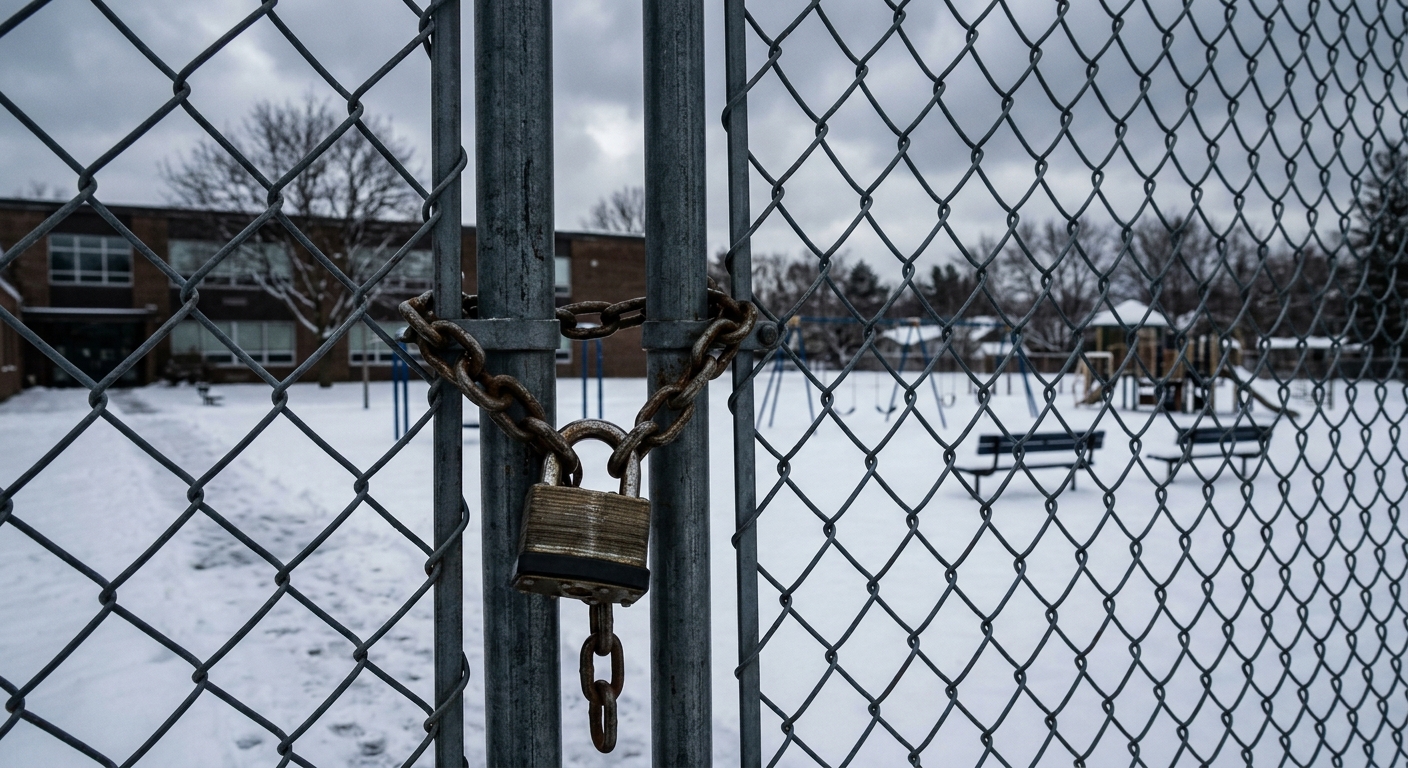
In 2026, Alaska faced an extraordinary education challenge as multiple school districts, including Anchorage, Matanuska-Susitna, Kenai Peninsula, and Ketchikan, closed a total of twelve elementary and middle schools. The wave of alaska school closures has reverberated through communities, signaling a critical need to address persistent financial gaps in K-12 education. Both students and educators across the region have felt the immediate consequences of shuttered schools, from altered daily routines to programming disruptions and uncertainty for hundreds of families.
Budget Shortfalls Drive Difficult Decisions
The primary drivers behind these school closures have been significant school budget cuts and unsustainable operational costs, compounded by dwindling revenue from the state. Districts in Alaska have struggled against expenses that continue to outpace inflation, particularly in the realms of healthcare and energy. As a result, administrators have been forced not only to consolidate facilities but also to reduce staff, eliminate programs, and cut extracurricular activities—core components of the public education experience. The closures, while disruptive, were presented by officials as necessary to prevent even more drastic measures, such as further teacher layoffs.
Challenges Linked to Funding and Enrollment
Persistent issues with state education funding have been amplified by a notable student enrollment decline. According to district officials, the ongoing homeschooling rise has contributed significantly to the decrease in public school attendance, which in turn lowers the state’s funding formulas tied to enrollment numbers. As a result, school district deficits have widened, requiring school boards to revisit budgets and operational plans in search of cost-saving opportunities. Education Commissioner Deena Bishop highlighted that some affected schools had been operating far below capacity, making the case for school consolidation despite the associated challenges for displaced students and communities.
Short-Term Funding Relief, Lingering Uncertainty
While the Alaska Legislature approved $144 million in additional, one-time k12 education funding for the current year, those working in the education sector remain cautious. The funding’s release depends on gubernatorial approval and could be delayed, leaving school districts with enduring uncertainty about the future. Lawmakers and education advocates, aware of the cyclical nature of Alaska’s education funding crisis, continue to stress the importance of creating sustainable and predictable financial support for schools throughout Alaska. In public statements, several local leaders have emphasized that these temporary infusions are not sufficient to offset years of stagnation in education budgets.
Program Eliminations Affect Students and Educators
This year’s round of program cuts schools has affected both academic and extracurricular opportunities for students. Music, art, and athletics—once pillars of community and student engagement—have all seen reductions or eliminations in some regions. Educators, meanwhile, face growing workloads and less job stability as staffing levels are reduced. The closures and funding uncertainty also impact local economies, with some rural communities in Alaska experiencing not only the loss of a neighborhood school but also the dissolution of a vital civic hub.
Bipartisan Efforts Seek Sustainable Solutions
Recognizing the widespread effects of the current crisis, a bipartisan legislative task force has been established to study the adequacy of Alaska’s state education funding mechanisms and consider comprehensive reforms. The group is expected to examine potential solutions that address both shortfalls and the realities of changing enrollment, including the growing preference for alternatives such as homeschooling. Local school leaders, educators, and parent groups from Anchorage to Ketchikan are engaging in these conversations, emphasizing the regional need for stable, long-term strategies.
Looking Ahead for Alaska’s Schools
As Alaska confronts the immediate reality of these closures and the larger education funding crisis, families, teachers, and lawmakers across the region remain hopeful that bipartisan dialogue will yield comprehensive solutions. The focus now turns to securing reliable funding streams and finding adaptive approaches that meet the evolving needs of both urban and rural communities throughout Alaska.