
- calendar_today October 15, 2026
Unusual Warming Expected Across Alaska This Winter
This winter, a potentially record-breaking El Niño event—described by some experts as a ‘Godzilla’ El Niño—is projected to influence Alaska’s climate, with important implications for snow and temperatures. The shift in weather patterns is drawing attention from scientists, residents, and snow enthusiasts across the state.
What Is El Niño and How Does It Affect Alaska?
El Niño occurs when the normally easterly trade winds in the tropical Pacific Ocean weaken or change direction. This disruption alters ocean circulation and pushes a mass of unusually warm water toward the western coasts of North America, including Alaska. The resulting weather patterns can impact temperature and precipitation across vast regions.
Historical El Niño Events and Their Impact on Alaska’s Snowfall
Brian Brettschneider, a senior climate scientist with the National Weather Service Climate Prediction Center in Anchorage, analyzed the effects of 11 major El Niño events since 1950. His research found that most past strong El Niño winters led to below-average snow for Alaska as a whole, with the exception of a few areas in Southcentral Alaska.
According to Brettschneider, “Strong El Niño winters are terrible for snow. Not every one, but most of them … It is bad news if you like snow.”
Warmer Temperatures During El Niño Winters
Alongside reduced snow, Brettschneider’s analysis showed that most of Alaska typically experiences above-normal winter temperatures during major El Niño events. The data indicates that, except for the North Slope, winters are generally warmer than average when El Niño conditions prevail.
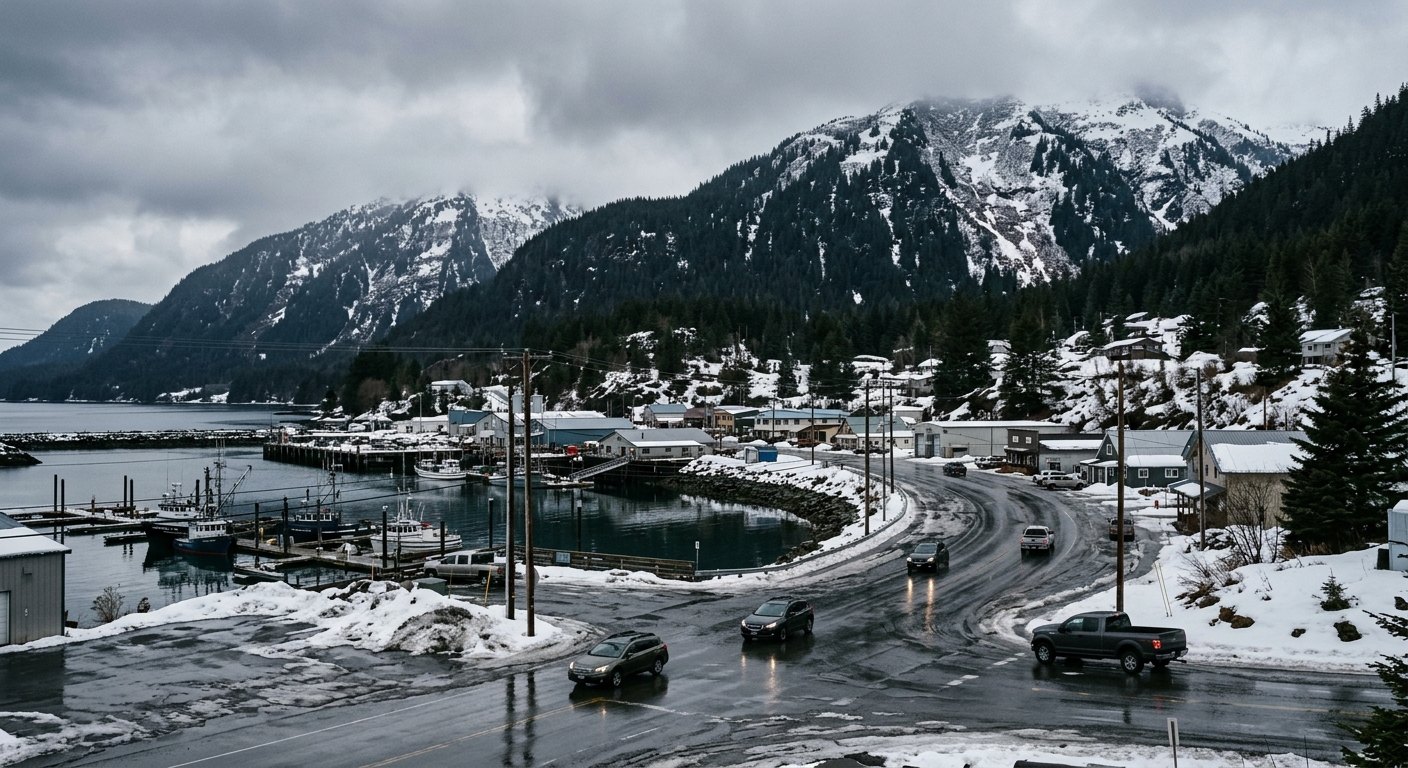
In Southeast Alaska specifically, Brettschneider noted a strong historical signal for warmer than usual winter temperatures and less snow. For residents of areas like Juneau—who dealt with a record-breaking snow season last winter—the prospect of less snow this year could bring relief.
Exceptions and Variability in El Niño Patterns
Although the trend points toward less snow during El Niño events, there have been exceptions. Out of the 11 major El Niño winters reviewed, three (1965-66, 1987-88, and 1991-92) brought above-average snowfall to Southeast Alaska. Brettschneider emphasized that while history offers guidance, it does not guarantee future conditions and all scenarios remain possible.
Factors Behind the 2026-27 'Godzilla' El Niño Prediction
El Niño events are classified as “super” or “Godzilla” when tropical sea surface temperatures remain more than 2 degrees Celsius above average for several months. Brettschneider stated that this threshold is very likely to be met this fall and winter, with forecasts suggesting ocean temperatures could reach or exceed 2.5 degrees Celsius above normal—potentially making this the strongest El Niño on record.
According to a recent study published in the journal Science, the intensity of El Niño-driven temperature fluctuations has increased by 36% over the last four decades, which some scientists attribute to broader climate change trends.
Potential Outcomes for Southeast Alaska This Winter
While the forecast strongly signals warmer temperatures and less snow for Southeast Alaska, Brettschneider noted that predictions about total precipitation remain uncertain. Small increases in temperature can shift precipitation from snow to rain, especially in regions where winter temperatures often hover near freezing.
Ultimately, while most signs point to a warmer, less snowy winter for much of Alaska, residents are reminded that climate variability leaves room for surprises and that seasonal forecasts always carry some uncertainty.
Source: ktoo.org.


