
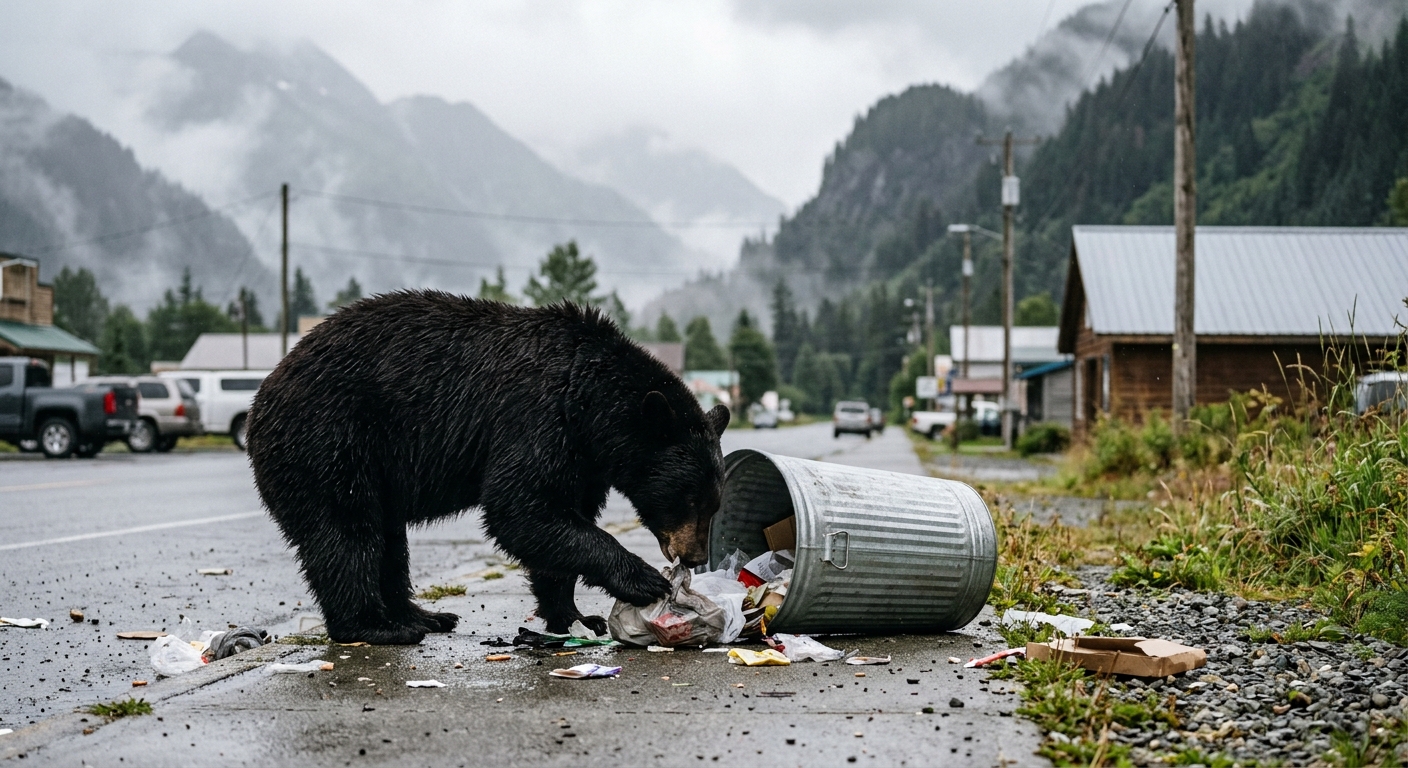
AI-generated illustration; not a photograph of the reported event.
- calendar_today July 12, 2026
Alaska is once again at the forefront of election reform, with the region’s ranked choice voting system and open primary structure facing formal complaints and renewed debate. This latest development comes amid a backdrop of rising living costs, wildlife encounters, and ongoing social welfare efforts that impact communities across Alaska.
Ranked Choice Voting Faces Scrutiny in Alaska
The conversation around ranked choice voting intensified this week after supporters of the system, along with the open primary format, filed complaints with the Alaska Public Offices Commission. Their action targets a campaign seeking to overturn both the ranked choice voting and open primary frameworks, citing concerns for the integrity of the democratic process. The commission, which oversees campaign regulations, is now tasked with reviewing the legitimacy of the repeal effort and addressing advocacy group concerns about transparency and election fairness.
Open Primary System and Regional Engagement
Alaska adopted the open primary to encourage broader voter participation, aiming to foster more inclusive elections. However, efforts to repeal the system illustrate ongoing tensions in regional politics. Proponents argue the open primary provides voters with greater choice and a stronger voice in elections, while opponents contend that the traditional format offers clearer party distinctions. This debate highlights Alaska’s evolving political landscape and the community’s investment in electoral reforms.
Bear Encounter in Downtown Juneau Raises Safety Questions
A separate incident capturing public attention occurred when a Juneau resident shot a yearling black bear engaged in rummaging through trash downtown. The bear encounter underscores recurring challenges in managing Juneau wildlife interactions, as urban expansion often brings residents and animals into closer contact. Local authorities remind the public about proper waste management as a key strategy in reducing such dangerous encounters.
High Living Costs Persist in Alaska’s Major Cities
Economic pressures remain acute for Alaskans, with Anchorage, Fairbanks, and Juneau consistently ranking among urban areas with the highest living costs in Alaska. According to recent urban cost comparison studies, essentials like housing, utilities, and groceries contribute to expenses that outpace much of the country. Residents and local officials alike recognize that these economic challenges impact families’ quality of life and the broader trajectory of Alaska’s development.
Addressing Food Insecurity: Community Response
As economic concerns persist, social welfare organizations such as the Southeast Alaska Food Bank are stepping up efforts to combat food insecurity. In a recent interview with KTOO’s Mike Lane, executive director Dan Parks detailed initiatives aimed at alleviating hunger. The Southeast Alaska Food Bank collaborates with businesses and volunteers to distribute nutritious food to those in need, highlighting a sense of resilience and cooperation within the region.
Broader Implications for Alaska Communities
These stories collectively reflect the evolving challenges and strengths of Alaska communities. Whether grappling with the future of ranked choice voting and the open primary, dealing with local wildlife, addressing high living costs, or supporting food security initiatives, residents and institutions are actively engaged in shaping the region’s future. As attention turns to the Alaska Public Offices Commission’s decisions and ongoing Alaska news updates, it’s clear the state’s response to these issues will have lasting impacts.


