
- calendar_today October 11, 2026
Public Comments Close on Federal Proposal
Public input on a federal proposal to lift a longstanding roadbuilding ban in national forests — including Alaska's Tongass National Forest — concluded Tuesday. More than 370,000 comments were submitted online during the process, according to federal records.
Overwhelming Opposition to Roadless Rule Rollback
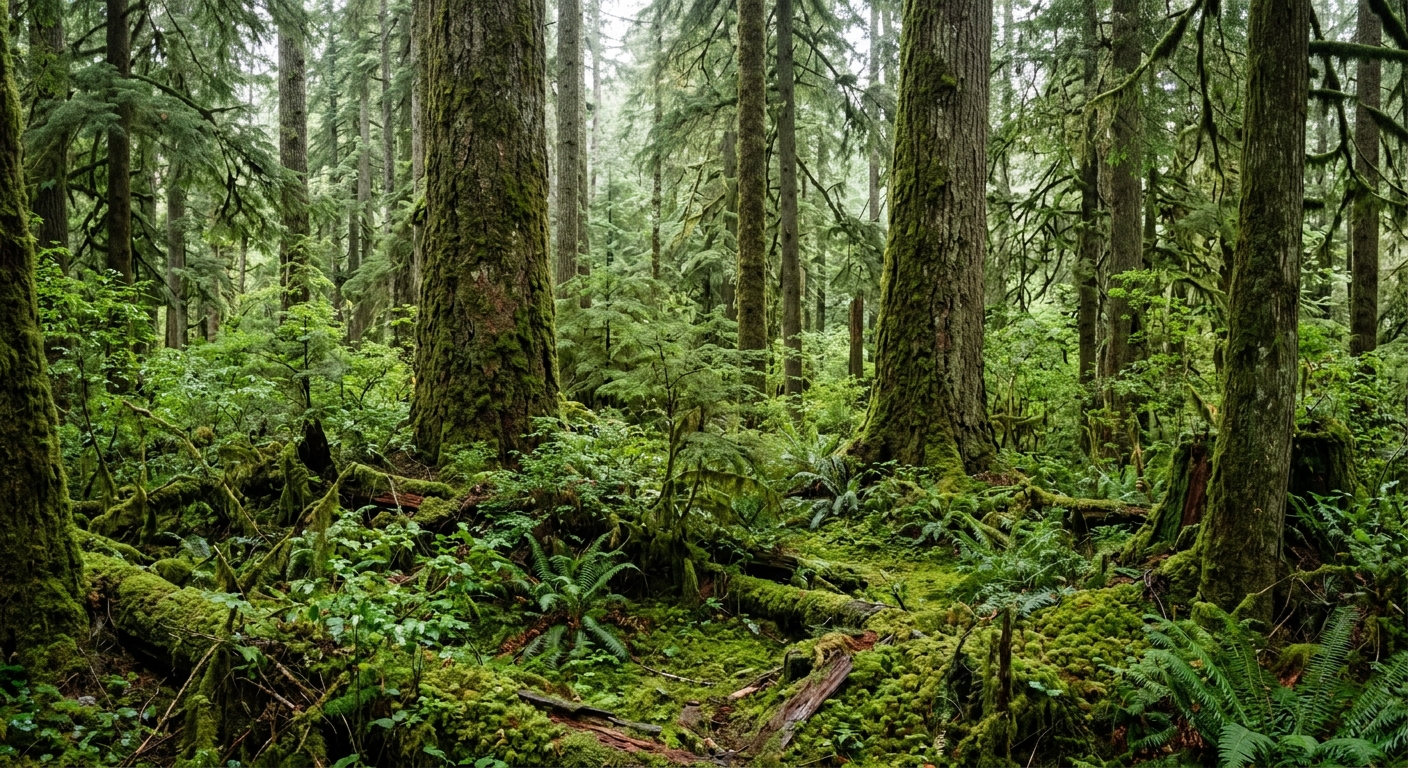
An analysis released by the conservation advocacy group Center for Western Priorities found that 99% of comments opposed rolling back the Roadless Rule, a regulation originally established in 2001 to protect forest lands from road construction and development. Many commenters cited research showing that the Tongass National Forest contains over 40% of all carbon stored in U.S. national forests, earning it the moniker "lungs of the Earth." The 17-million-acre Tongass is the largest intact temperate rainforest in the world, with nearly half its area — over 9.2 million acres — inventoried as roadless.
Importance to Subsistence Communities
During a recent statewide virtual hearing held by the U.S. Forest Service, all 26 participants expressed support for maintaining the Roadless Rule. Anthropologist Judith Ramos, a Lingít from Yakutat, highlighted the forest’s critical role for local food security. "Almost 20% of the households got 75% of their protein from subsistence," Ramos noted, emphasizing the importance of forest habitats for salmon and deer, essential food sources for rural communities.
Timber Industry Perspectives and Disagreements
Alaska's timber industry has historically favored lifting the roadbuilding ban. Industry representatives argue, however, that immediate large-scale logging is unlikely even if the Roadless Rule is repealed. Sarah Dahlstrom, director of public relations at Viking Lumber and board president of the Alaska Forest Association, explained that amendments to the forest management plan would be necessary before new timber sales could open. "I’m going to say it’s a very small amount of acreage that gets opened up that could have road building on that," said Dahlstrom, whose family operates a sawmill on Prince of Wales Island.
Clarence Clark, a board member at the Alaska Forest Association, estimated that about 188,000 acres in currently roadless areas—less than 2% of the Tongass—could be considered suitable for logging according to the 2016 Tongass Forest Management Plan. Clark pointed out that most roadless areas are covered by additional protections, including wilderness, natural area, or recreation designations. The Forest Management Plan is currently being revised.
Environmental and Community Concerns
Tribes and environmental groups worry that removing roadless protections could open millions of acres of Tongass forest to logging, impacting both the environment and subsistence communities. Adrian Lee, from the Tongass Hub of the Women’s Earth and Climate Action Network, testified that past logging had serious social repercussions in her Hoonah village, including increases in addiction and violence.
Awaiting Final Decision on the Roadless Rule
The Roadless Rule has undergone several reversals since its inception, with previous changes linked to executive orders aiming to increase logging and natural resource extraction in Alaska. The U.S. Forest Service, which is overseeing the proposal, did not respond to a request for comment. A final decision on the future of the Roadless Rule is expected by the end of the year.
Source: ktoo.org.


