
- calendar_today August 24, 2025
.
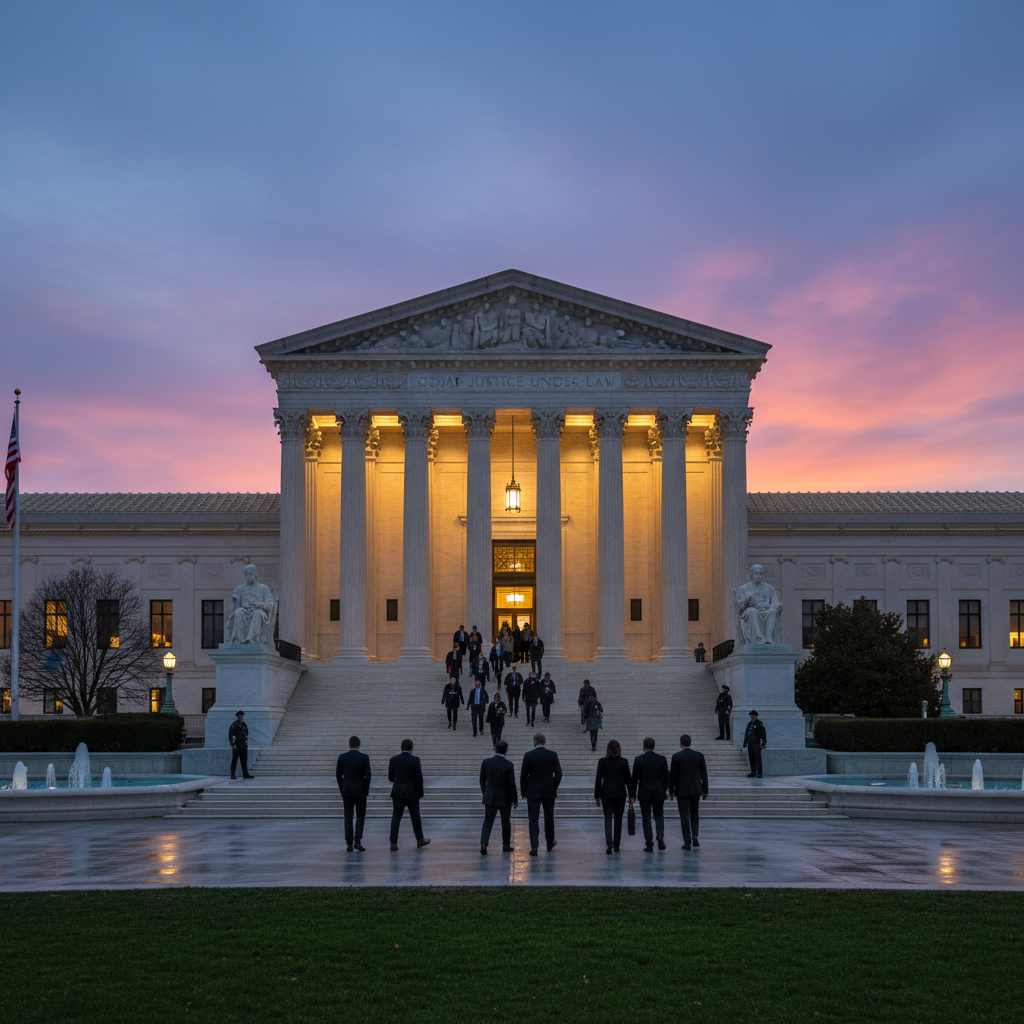
The Trump administration’s lawyers on Tuesday night made an emergency request to the Supreme Court, asking the justices to allow the administration to block billions of dollars in foreign aid spending that Congress has already approved.
The appeal sends the U.S. Agency for International Development (USAID) spending fight back to the Supreme Court for the second time in just six months.
Congress last year approved nearly $12 billion in aid for USAID. It’s money that legally must be spent before the fiscal year ends on Sept. 30. President Donald Trump has been moving to try to stop the foreign aid payments since he returned to office in January. On his first day back in office, the president issued an executive order ordering the federal government to stop almost all foreign aid payments. Trump justified the move by saying it was part of an effort to cut what he views as “waste, fraud, and abuse” in foreign spending.
The order was immediately challenged in court. In February, U.S. District Judge Amir Ali, in Washington, D.C., blocked the Trump administration’s efforts to withhold the funding. Ali ruled that the White House is obligated to continue to pay money for projects that Congress has already approved. The decision meant the Trump administration would have to restart payments on billions of dollars of USAID grants.
The Trump administration is not backing down, however. The U.S. Court of Appeals for the D.C. Circuit took up the case earlier this month, ruling 2-1 to lift the injunction by Judge Ali. Judge Karen L. Henderson, a George H.W. Bush appointee, wrote for the majority that the plaintiffs in the case — foreign aid groups that want their grant payments to be restored — lack legal standing to sue the administration. In her opinion, Henderson argued that the plaintiffs lack a legal “cause of action” under what’s known as the doctrine of impoundment.
The appeals court ruling was a major victory for Trump. But so far, the court has not issued an actual mandate to put the ruling in place. That means Judge Ali’s original order — and the payment schedule he laid out — is technically still in place. As such, the Trump administration is now racing the clock. It needs the Supreme Court to step in to block the aid payments, or risk having to disburse the full $12 billion before the fiscal year ends on Sept. 30.
Emergency request in the Supreme Court
On Tuesday, U.S. Solicitor General D. John Sauer made the emergency request to the Supreme Court. In it, he argues that if the justices don’t take action, the government will be forced to “rapidly obligate some $12 billion in foreign-aid funds” by the end of September. As he sees it, the case is one that federal judges shouldn’t be weighing in on anyway. He claims that by failing to address this issue, the courts risk “effectively prejudic[ing]” a decision.
“Congress did not upset the delicate interbranch balance by allowing for unlimited, unconstrained private suits,” Sauer wrote in the filing. He added that, “any lingering dispute about the proper disposition of funds that the President seeks to rescind shortly before they expire should be left to the political branches, not effectively prejudged by the district court.”
That’s the exact opposite argument being made by the plaintiffs in the case. Those suing the Trump administration are a group of foreign aid organizations that receive USAID funding for various projects. The plaintiffs are suing to get their USAID grant money restored. The plaintiffs in the case have argued that the president doesn’t have the power to unilaterally rescind money that Congress has already appropriated. In their view, laws such as the Impoundment Control Act (ICA), a 1970s-era law aimed at reining in executive overreach when it comes to federal spending. The plaintiffs also point to the Administrative Procedure Act. Those are the two major statutes they argue bar the Trump administration’s actions.
The Supreme Court already has weighed in on a similar fight over USAID spending earlier this year. The high court issued a narrow 5-4 ruling at that time. Now, with billions of dollars on the line and the fiscal deadline just months away, the justices have been asked to weigh in again. The case marks the latest effort by the Trump administration to cut back on foreign assistance and realign how foreign aid money is spent.


