- calendar_today August 20, 2025
The Last of Us Season 2 Hits Different Up Here in Alaska
The Last of Us just landed, and here in Alaska—where the silence stretches for miles and grief lingers like cold air—it hits in a way that feels strangely personal.
Keywords: The Last of Us Season 2, HBO 2025, Ellie and Abby, Alaska fans
You Know That Feeling Right Before the Freeze Sets In?
Yeah, that’s what this season feels like. You don’t always see it coming, but you can sense it. The shift. The stillness before everything gets a little heavier.
Watching The Last of Us Season 2 in Alaska feels… close. And not just because of the scenery (though some of those snowy treks could’ve been shot a few hours outside Anchorage). It’s the feeling—that bone-deep loneliness, the unspoken grief, the way everything keeps going even when it really shouldn’t.
Five years have passed since Joel’s decision at the end of Season 1. He and Ellie are settled in Jackson now. Safe, maybe. But not okay. And if you’ve ever tried to build something steady in a place where the light disappears for half the year, you’ll understand why that matters.
Abby Arrives Like a Storm Rolling Across the Range
Abby, played by Kaitlyn Dever, doesn’t come in loud. But the second she steps on screen, something shifts. She’s got this heaviness about her. Not drama-heavy—real heavy. Like someone who’s been surviving on too little for too long. We know that kind of survival out here. We see it in people’s eyes when they haven’t had a decent sunrise in weeks.
And then there’s Dina (Isabela Merced) and Jesse (Young Mazino). They’re the warmth in this bitter season. The campfire you didn’t expect to find still burning. Their moments shine—not because they’re big, but because they mean something.
Ellie Isn’t the Same—and Honestly, Neither Are We
Bella Ramsey’s Ellie is… quieter now. She’s still fierce, still brilliant, but there’s a distance in her. She’s carrying something heavy, and it’s written all over her. The kind of weight that doesn’t show up with loud sobs—it shows up in the way you don’t quite look people in the eye anymore.
There’s this one scene—her alone in a room with the kind of silence we know all too well in Alaska. And she just sits there. Not moving. Not speaking. But somehow saying everything.
It’s Not Alaska on the Map, But It Sure Feels Like It in the Bones
No one says “Fairbanks” or “Nome” or “Seward.” But the show gets it. The cold. The quiet. The vastness. You can almost feel that empty air stretching out behind some of those scenes. The isolation. The weight of memory.
Even the score—Gustavo Santaolalla’s haunting guitar—feels like it could drift across the tundra. Sparse. Echoing. Unapologetically honest.
What to Expect If You Hit Play
This isn’t a light binge. It’s more of a slow-burn gut punch. Here’s the rough breakdown:
- 9 episodes full of emotional landmines
- 3 new characters who will quietly wreck you
- 1 mid-season shift that you won’t be ready for
- Countless silences that say more than any monologue could
It’s Not About the End of the World—It’s About the People Still Standing in It
This season? It’s not about zombies. It’s about what comes after. About grief. And survival. And the kinds of choices you make when your world’s already shattered.
We get that here. In Alaska, we’ve lived through long nights and long winters. Through loss that no one asks about out loud. Through strength that shows up as stubbornness, and tenderness that hides under layers of fleece and frost.
From One Local to Another—Let This One Sit With You
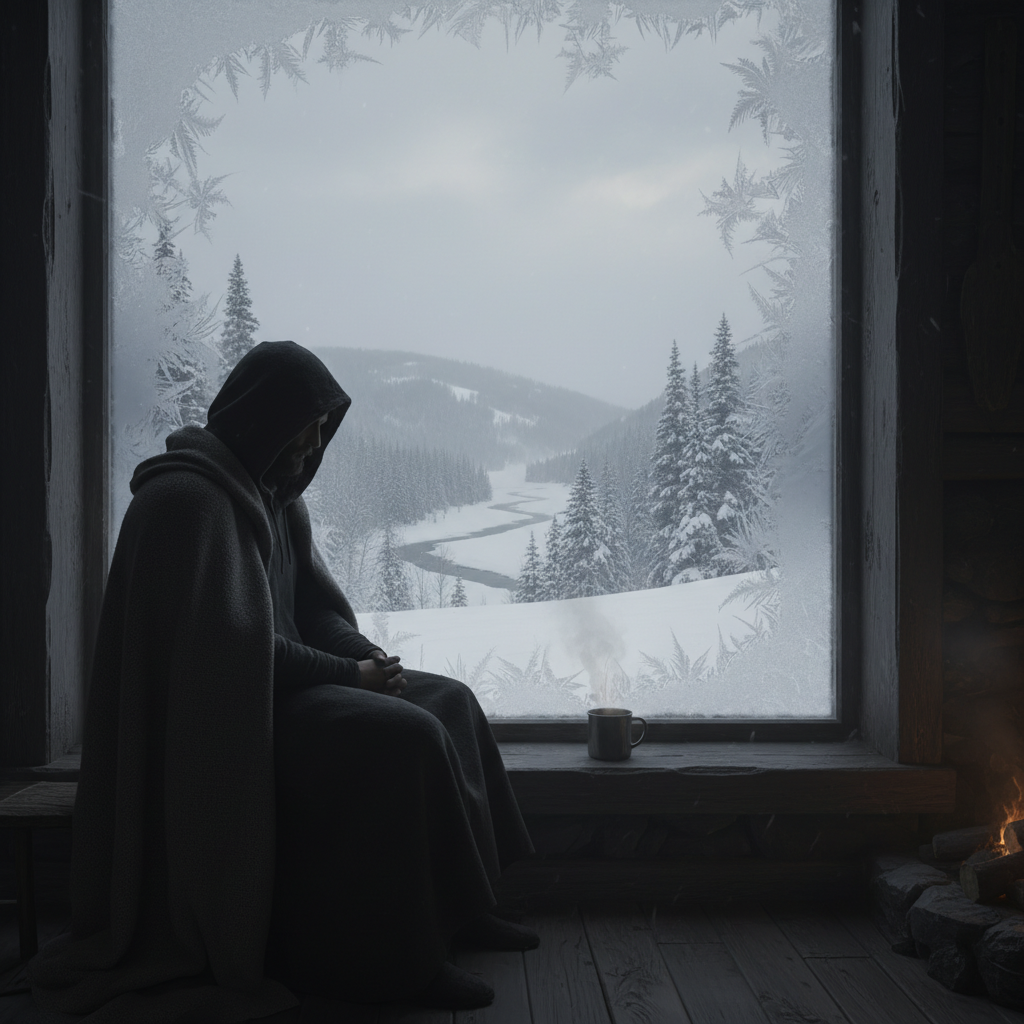
I watched most of this season with a blanket pulled up to my chin, snow hitting the window, and not much else going on. No distractions. Just the show. And I think that’s how it should be watched.
Because The Last of Us Season 2 doesn’t just entertain—it aches. It whispers things most stories are too scared to say out loud. And if you live up here, where silence isn’t empty and the land doesn’t forgive easily, you’ll feel it too.
So watch it. Let it hit. Let it remind you what it means to survive with your feelings, not despite them.
Because if there’s one thing Alaskans know, it’s this:
Some stories don’t need light to matter. They just need truth.