- calendar_today August 16, 2025
Crypto Regulation in Alaska (2025): Key Shifts for Investors
Alaska’s cryptocurrency landscape is undergoing significant transformation as federal regulatory changes take effect in 2025. The Securities and Exchange Commission’s reduced enforcement approach, marked by dropped cases against major exchanges, has brought cautious optimism to the Last Frontier’s digital asset community. While this shift decreases legal uncertainty for users of established platforms, Alaska’s unique market conditions present ongoing challenges.
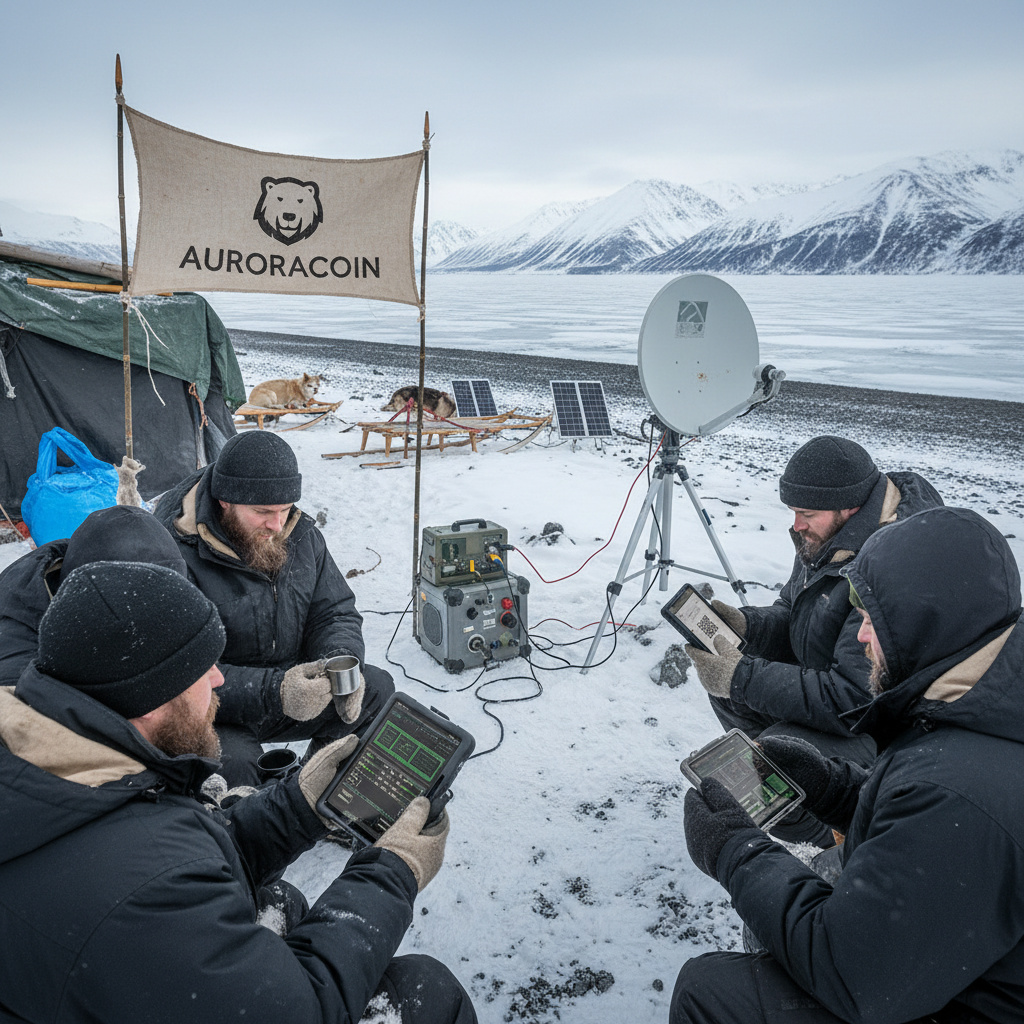
The state’s decentralized investor base, which frequently relies on peer-to-peer transactions due to limited traditional banking infrastructure in remote areas, continues facing complications with unclear tax and securities guidelines. Financial advisors across Anchorage and Fairbanks report increased client inquiries about compliant trading practices, particularly among bush communities where cryptocurrency serves as an alternative financial tool. This tension between federal oversight and Alaska’s practical realities creates a complex environment for local participants.
New stablecoin regulations carry particular significance for Alaska’s economy, where dollar-pegged digital assets facilitate critical cross-border transactions. The advancing STABLE Act’s reserve requirements could temporarily disrupt trade flows with Canada and Asian markets while businesses adjust to compliance standards. Anchorage-based import/export firms already utilizing stablecoins are implementing new accounting protocols, though smaller operators express concerns about implementation costs.
The regulatory changes come as Alaska sees growing stablecoin adoption in its fishing and tourism sectors, where international payments often prove cumbersome through traditional banking channels. Several Southeast Alaska seafood processors have begun testing stablecoin settlements with foreign buyers, while tour operators explore digital asset payments for overseas clients. These real-world applications must now navigate stricter federal oversight while maintaining operational efficiency.
Asset Classification Uncertainty Persists
The unresolved debate over whether cryptocurrencies constitute securities or commodities continues to affect Alaska’s blockchain sector. This distinction holds particular importance for the state’s mining operations and emerging startups developing Arctic-specific applications. The proposed Lummis-Gillibrand legislation’s potential CFTC oversight framework could simplify compliance for Fairbanks-based mining firms and Anchorage tech ventures alike.
However, the current regulatory ambiguity has caused several planned blockchain projects to pause development, including a proposed supply chain tracking system for Alaska’s resource exports. University of Alaska researchers studying permafrost data tokenization have also encountered funding challenges due to investor caution about unclear rules. These delays highlight how federal uncertainty reverberates through Alaska’s niche crypto applications.
Exchanges Face New Compliance Demands
Alaska’s cryptocurrency service providers are adapting to the SEC’s evolving enforcement priorities. Anchorage-based platforms report restructuring their operations to meet enhanced reporting requirements despite the regulator’s reduced litigation approach. This balancing act proves particularly challenging for exchanges serving rural communities, where verifying user identities and transaction purposes presents logistical hurdles.
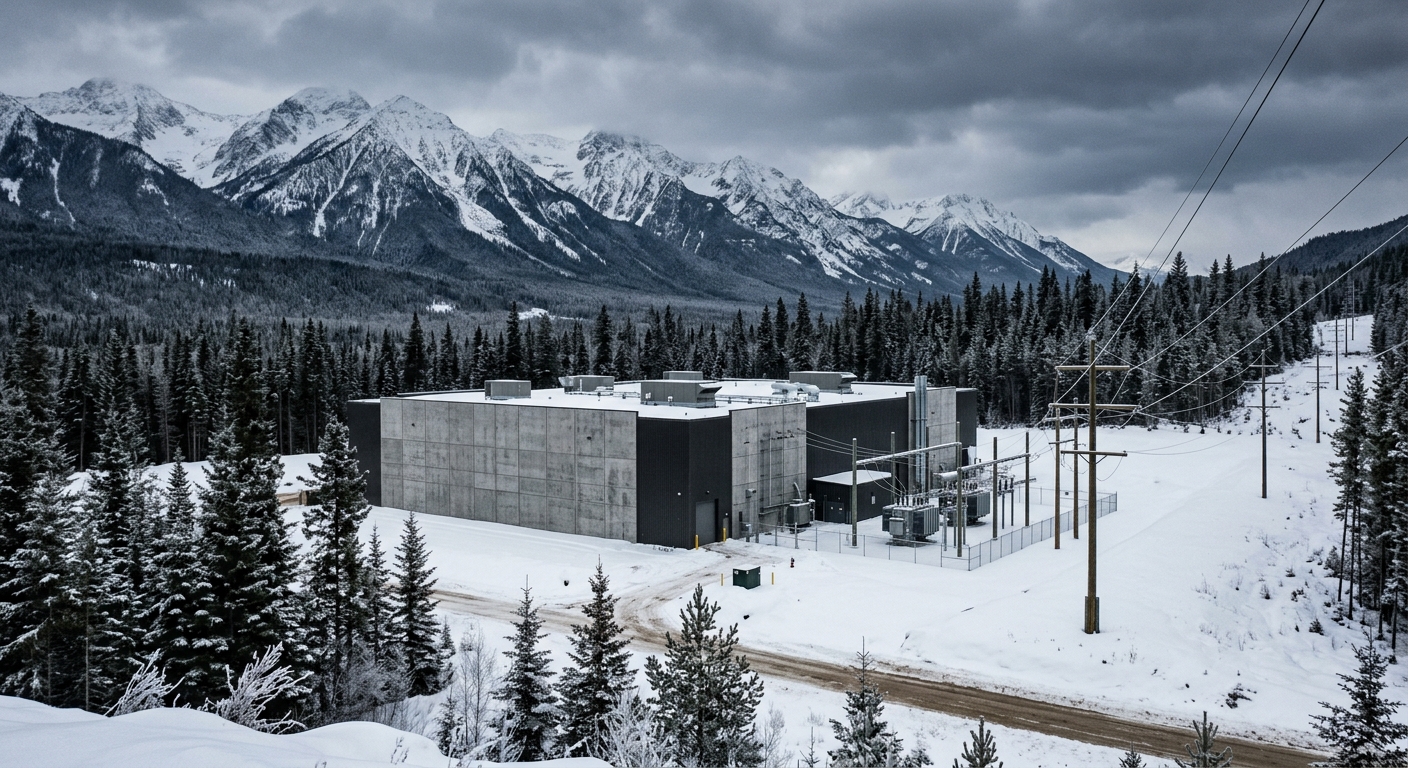
Fairbanks mining operations face parallel adjustments, combining existing energy cost pressures with new federal tax documentation rules. Several North Slope operations leveraging stranded gas resources have implemented specialized accounting systems to track mining outputs for tax purposes. These compliance investments, while burdensome for smaller players, may ultimately strengthen Alaska’s position in the institutional digital asset market.
Investors Navigate Changing Landscape
Alaska’s cryptocurrency traders are adjusting strategies to accommodate 2025’s regulatory shifts. The state’s historically independent investor base, known for speculative trading during long winter months, now demonstrates growing interest in compliant long-term holdings. Anchorage wealth managers observe increased client allocations to regulated crypto products, particularly among fishing and oil industry professionals seeking portfolio diversification.
This maturation coincides with rising institutional attention to Alaska’s fintech potential. Several Lower 48 venture firms have recently scouted Anchorage’s emerging blockchain startups, attracted by the state’s unique combination of technical talent and resource industry expertise. While regulatory compliance remains a barrier for some, others view structured rules as necessary for sustainable growth in Alaska’s digital asset sector.
Alaska’s Crypto Economy Matures
The federal regulatory changes reflect cryptocurrency’s broader transition from speculative experiment to established financial instrument—a shift Alaska cannot ignore. From Fairbanks mining operations to Juneau’s legislative analysts, stakeholders across the state are working to reconcile innovation with compliance as the industry’s “Wild West” era concludes.
This maturation brings both challenges and opportunities for Alaska’s economy. The state’s traditional industries—including fisheries, tourism, and energy—increasingly explore blockchain applications that must now operate within clearer regulatory parameters. Simultaneously, Alaska’s tech sector sees potential to develop specialized compliance solutions tailored to northern conditions and remote community needs.
Future Outlook for Alaskan Crypto
As 2025 progresses, Alaska’s cryptocurrency participants anticipate additional federal legislation that could further define the regulatory landscape. Market observers suggest forthcoming rules may specifically address rural financial access and cross-border digital asset use, both highly relevant to Alaska’s economic conditions.
State policymakers continue monitoring these developments while considering potential local adaptations. The Alaska Division of Banking and Securities has initiated stakeholder discussions about balancing federal compliance with state-specific needs, particularly regarding remote community access to digital financial tools.
While regulatory risks persist, Alaska’s crypto economy appears positioned for more stable, long-term growth under structured rules. The state’s ability to leverage its unique geographic and economic characteristics within this framework will likely determine its success in the emerging digital asset landscape. From bush villages to urban tech hubs, Alaskans are preparing for a future where cryptocurrency plays an increasingly regulated—but potentially more significant—role in the state’s financial ecosystem.