
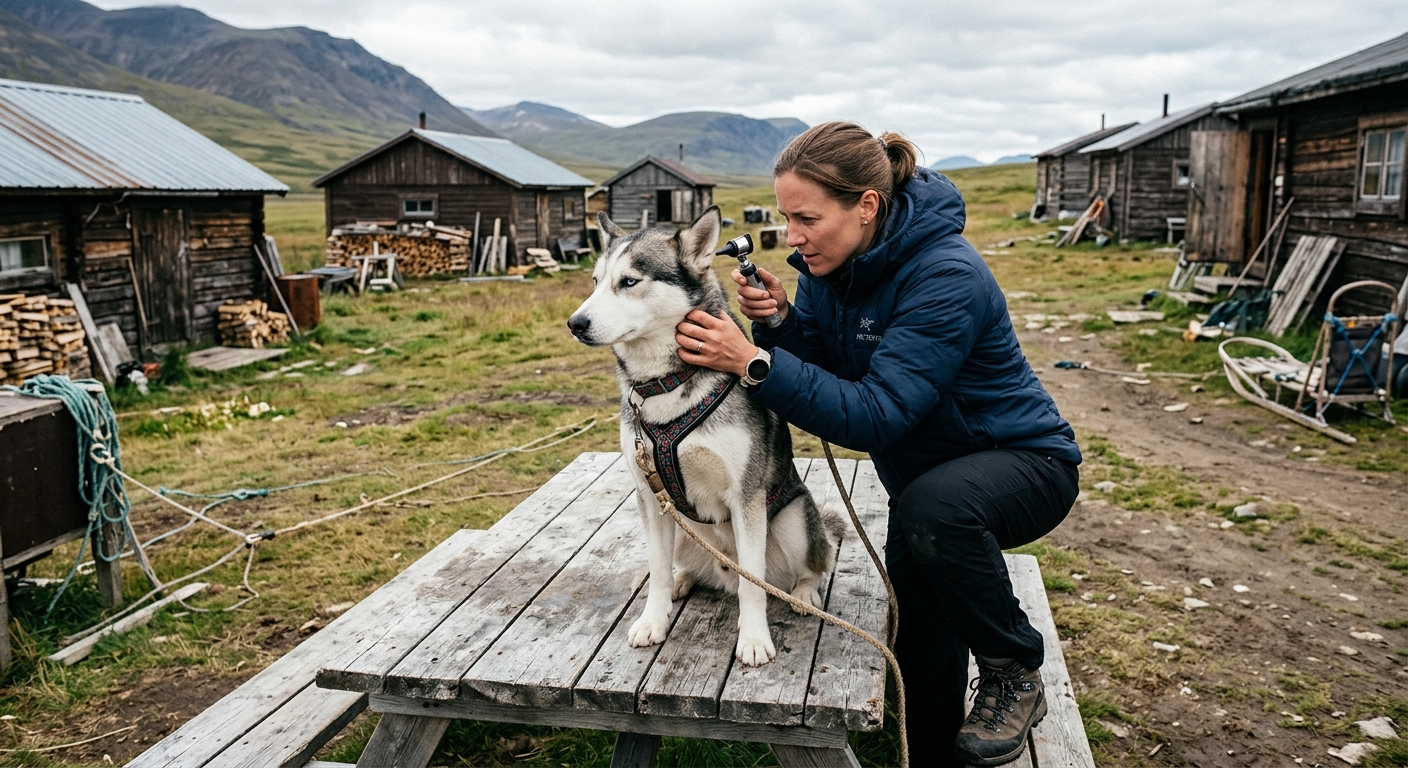
AI-generated illustration; not a photograph of the reported event.
- calendar_today June 30, 2026
Alaska – A sweeping initiative to extend rural veterinary care is set to launch across Alaska this July, aiming to transform animal health in more than 80 remote villages. In a significant move for the region, the Alaska Federation of Natives has partnered with Alaska Native Rural Veterinary to address longstanding gaps in veterinary public health for both animals and local residents.
Free Services to Boost Alaska Native Veterinary Access
At the core of this rural veterinary care project is a mission to deliver essential, no-cost veterinary services to under-served communities. The program will offer rabies vaccination, infectious animal disease testing, and spaying and neutering, in direct response to health challenges faced by villages in northern and western Alaska. These remote communities have endured limited access to veterinary services Alaska needs, making it difficult to prevent the spread of dangerous zoonotic diseases and to support village animal health.
Critical Response to Rabies and Public Health Concerns
Rabies remains endemic in rural Alaska, with up to 25 human exposures each year—mostly stemming from bites by dogs infected by rabid wildlife. According to leaders like musher and village chief Mike Williams, the lack of consistent alaska native veterinary care poses a persistent threat to both public health and community safety. An elevated rate of dog bites compared to national averages further underscores the necessity of veterinary public health programs in the area.
Partnership Inspired by Tribal Advocacy and Legislative Action
The initiative builds on years of regional advocacy, with tribal resolutions and state legislative efforts repeatedly calling attention to the need for tribal veterinary care. Executive director Angie Fitch and medical director Arleigh Reynolds have both stated that the new program reflects a commitment to long-term, sustainable improvement in animal and human health throughout rural Alaska.
Comprehensive Animal Disease Testing and Preventive Services
Local residents and community officials have often struggled with the costs and logistics required for animal disease testing and essential preventive care. The program’s inclusion of spaying and neutering will help manage the population of free-roaming dogs, directly aiding dog bite prevention and lowering the overall trauma associated with animal attacks.
Protecting Subsistence and Strengthening Community Life
Beyond immediate veterinary needs, safeguarding subsistence resource protection is another goal of the initiative. Healthy working animals play a vital role in many village economies, supporting transport, hunting, and food security. By buffering these animals from infectious threats, the program will help shield valuable subsistence resources that are central to community life in Alaska.
A Model for Sustainable Veterinary Services in Remote Alaska
This new approach to rural veterinary care is designed not only to address the pressing gaps of today, but to also lay the groundwork for permanent, community-led veterinary access. Organizers hope this partnership will become a template for similar efforts in other regions, ensuring that even Alaska’s most isolated villages receive ongoing veterinary public health support and the tools for maintaining village animal health far into the future.


