- calendar_today August 8, 2025
Entering 2025, Alaska’s real estate market reflects steadiness with regional differences. After moderate price gains over the past two years, markets such as Anchorage, Fairbanks, and Juneau are showing signs of stabilization. Buyer activity remains steady but cautious, shaped by affordability limitations, energy costs, and the strong draw of remote-life buyers searching for lifestyle over rapid equity growth.
While home sales in Anchorage are steady, small towns like Sitka and Kenai face thinner volume and longer listing durations. Buyers continue prioritizing quality, energy-efficient homes, and community access over speculative investment potential.
Though national mortgage rate trends set the broader tone, Alaska retains seasonal pricing sensitivity due to its climate and population patterns. Rates have stabilized between mid-6% and 7%, prompting many to time purchases for spring and summer when inventory is highest and financing is most competitive.
Buyers are showing more interest in adjustable-rate loans or temporary rate-buy-down options to manage higher front-end costs. Many prospective homeowners are opting to rent part of the year as they wait for better conditions or alignment with local construction cycles that accelerate in warmer months.
Inventory Peculiarities: Sparse But Targeted
Alaska’s housing supply remains limited in most areas, but characteristics differ by region. Anchorage has a modest but steady supply of resale homes and new builds. Meanwhile, rural communities and Native-owned land regions have even thinner turnover, often constrained by local land-use regulations.
Builders are responding cautiously, with new construction tapering off during winter. In Perimeter boroughs outside urban centers, land availability can be generous—but infrastructure costs and remote-site expenses limit production pace. As a result, competitively priced homes are still scarce and often generate multiple offers from interested buyers.
Migration Patterns: Remote Work Still a Driver
Remote and telework options continue to increase inbound interest in Alaska, especially among buyers willing to embrace cooler climates and outdoor-oriented lifestyles. Cities like Kodiak, Sitka, and Haines draw outdoor enthusiasts and retirees seeking self-sufficient living.
However, unlike past surges, in 2025 newcomers tend to be higher-income remote workers and second-home buyers, not necessarily full-time relocators. Their purchases are typically tied to energy-efficient designs, solar-ready properties, and locations with strong community infrastructure.
Affordability: Rising Costs and Limited Entry Points
High energy costs, shipping expenses, and limited entry-level inventory continue to pose affordability challenges. Median income levels in Alaska haven’t kept pace with property appreciation, especially in more remote regions such as the Matanuska Valley or Northwest Arctic communities.
To counter this, some municipalities offer down-payment assistance or tax incentives to local homebuyers. However, these programs reach a small percentage of new buyers. Many younger residents continue renting or sharing homes longer, particularly in seasonal economies where income is irregular year-round.
Rental Market Tightens in University and Job Centers
Rental demand remains firm in population centers like Anchorage and Fairbanks, driven in part by University of Alaska campuses and healthcare facilities. Limited multifamily housing and seasonal turnover contribute to low vacancy rates, with long waitlists for units in certain price brackets.
Developers are showing interest in build-to-rent pilot projects, especially in Anchorage suburbs. However, high construction and shipping costs slow expansion of large-scale rental inventory, which keeps prices relatively firm and encourages early booking among prospective tenants.
Climate Resilience Shapes Construction Preferences
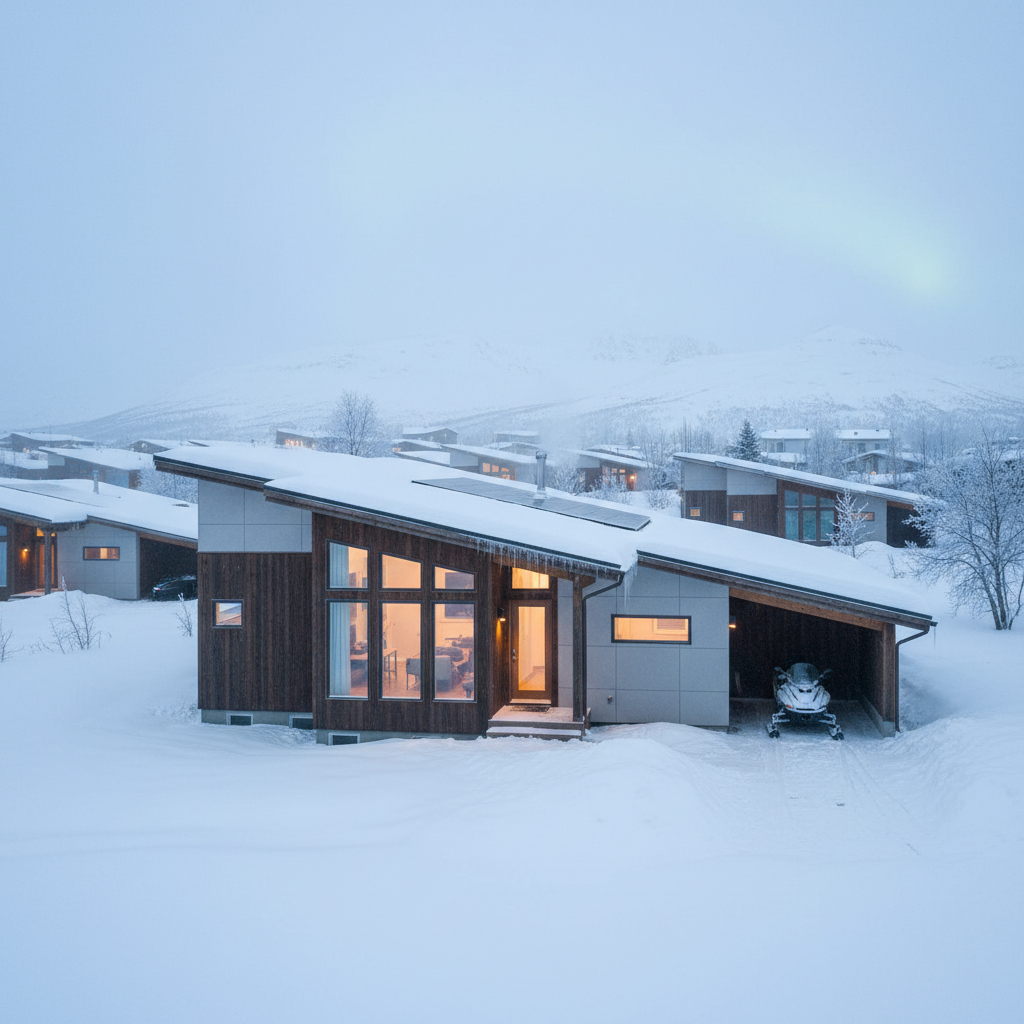
With its Arctic-edge environment, Alaska’s housing sector continues to adapt to climate and terrain challenges. Buyers increasingly favor homes built with insulated panels, high-performance windows, and off-grid capacity—especially in fire-prone or flood-sensitive zones.
Communities are also integrating sustainable design practices: solar hot water systems, rain-catchment, and days-of-autonomy backup power in case of storms. Resilience features often serve as a deciding factor among buyers who plan to live outside urban cores or build in remote regions.
Lifestyle Demand Amid Slow Luxury Market
Alaska’s luxury segment remains small, but properties priced above $1 million—particularly waterfront homes and remote cabins—are seeing steady interest from out-of-state buyers and life-style driven relocators. These purchases often connect to durability, long-term use, and retreat-style living rather than speculative gain.
Upscale developments are typically clustered near Seward, Homer, or the Kenai Peninsula, where the market supports energy-efficient, scenic-resilient design. Sellers emphasize sustainable amenities like heated driveways, solar integration, and year-round comfort.
The Year Ahead: Cautious Growth Anchored in Lifestyle
For buyers, 2025 offers opportunities—but not an easy market. Competitive pricing, earlier spring timing, and pre-approval remain key. Sellers should prepare homes with energy upgrades, resilient features, and local accessibility.
Investors are advised to consider long-term seasonal rental prospects, build-to-rent pilots in Anchorage periphery, and niche second-home markets. While Alaska’s overall volume remains lower than national averages, its lifestyle-driven demand, climate-conscious building, and remote-region appeal continue to create differentiated housing value.