- calendar_today September 16, 2026
At the latest CBJ Assembly meeting, city leaders in Alaska’s capital took decisive steps to bolster juneau flood mitigation while grappling with a contentious sales tax exemption affecting nonprofits. The meeting underscored the region’s ongoing efforts to address community safety and fiscal responsibility after disaster struck local neighborhoods.
Flood Funding Bolstered Following 2024 Disaster
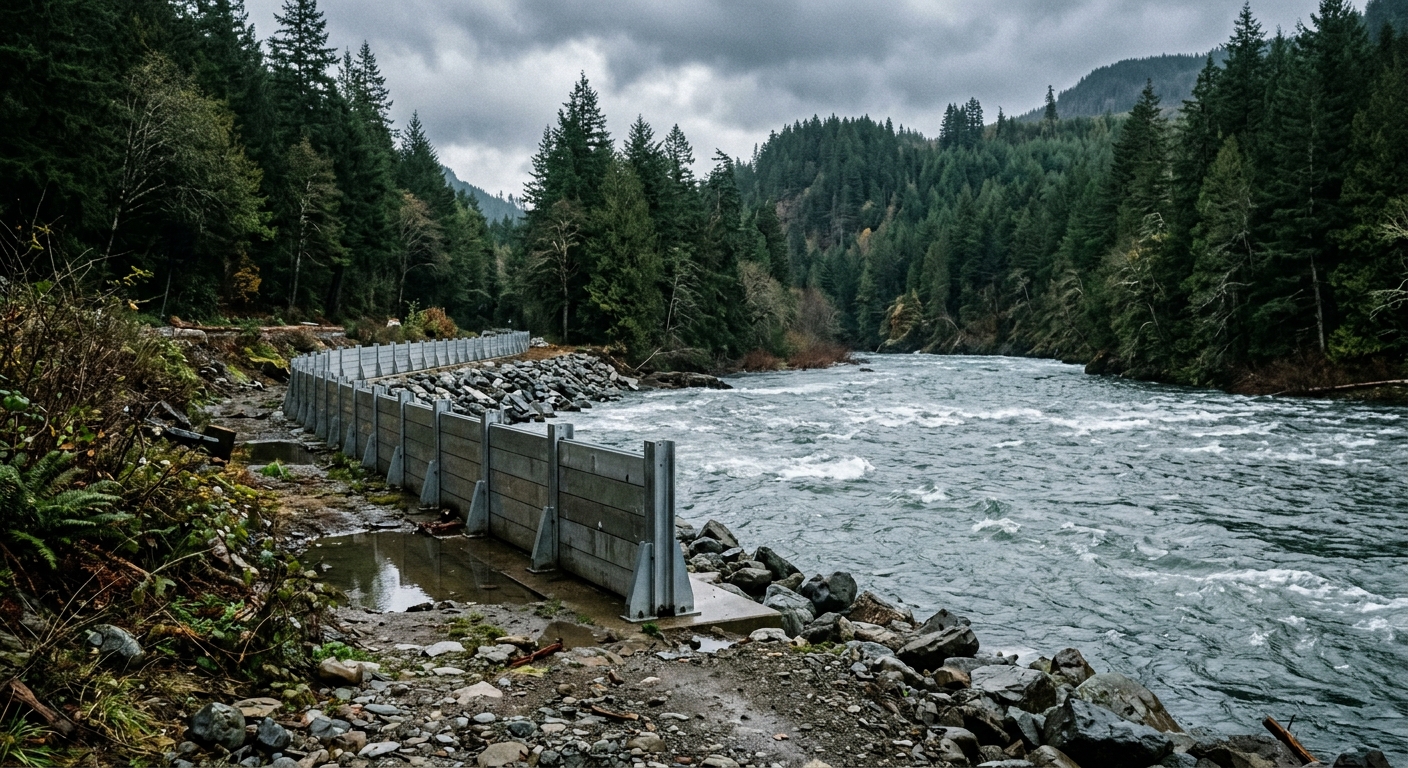
The assembly approved a series of critical flood response funding measures in response to the massive glacial lake outburst flood that impacted Juneau in 2024. The disaster, triggered by unpredictable ice melt, compromised mendenhall river barriers and damaged riverbanks along several residential areas. Nearly 173 tribally-owned homes and 470 families bore the brunt of this natural event, spurring swift action from local and regional entities.
Tlingit Haida Housing Grant and FEMA Support
Central to the funding initiatives was the acceptance of a $582,000 tlingit haida housing grant dedicated to fortifying protective barriers and supporting urgent riverbank repair projects. Additionally, the city secured almost $428,000 in fema flood reimbursement, reinforcing local capacity for immediate and future disaster mitigation. City officials emphasized that these resources are critical for ramping up flood mitigation along sensitive waterways and enhancing overall community resilience.
Restoration Commitment & Future Precautions
To complement the influx of federal and regional dollars, the assembly earmarked an extra $500,000 for future riverbank restoration and maintenance. Over $4 million was set aside in anticipation of repaying a required state loan related to HESCO barrier deployment, demonstrating an ongoing financial commitment to regional disaster preparedness. Collectively, these appropriations signal that Alaska’s leaders are not only focused on short-term repair but also on building robust infrastructure to guard against future glacial lake outburst floods.
Nonprofit Sales Tax Proposal Sparks Heated Debate
Another major item on the assembly agenda was a sweeping nonprofit sales tax policy reform. The proposed ordinance would have removed the longstanding sales tax exemption for most nonprofit organizations, potentially generating an estimated $3.3 million in new revenue for the city each year. However, representatives from various nonprofit groups argued that the new rule would create substantial administrative burdens and threaten available resources for essential programs serving vulnerable community members.
Assembly Decision Reflects Community Priorities
After nearly two hours of deliberation, the assembly voted 6-2 to table the measure indefinitely. Supporters of maintaining the sales tax exemption highlighted the important role nonprofits play within Juneau and greater Alaska. Detractors, however, pointed to the city’s growing revenue needs in the wake of repeated disasters. The debate over nonprofit sales tax obligations is likely to remain a topic of regional discussion as leaders weigh strategies for balancing municipal budgets and sustaining critical services.
Salary Increases for Municipal Leaders
The assembly meeting also included approvals for a 3% municipal salary increase and a $2,000 lump-sum payment for the city manager and municipal attorney. These measures were adopted with limited opposition and were framed as necessary to retain experienced leadership through challenging economic and environmental conditions. City officials noted that competitive salaries are a vital part of effective governance and long-term stability.
Looking Ahead: A Focus on Resilience and Community Values
The actions taken during the latest cbj assembly meeting reflect Juneau’s—and Alaska’s—deep commitment to community protection, responsible fiscal management, and engagement with local stakeholders. As juneau flood mitigation remains a pressing concern, residents and leaders alike continue to look for balanced solutions addressing both immediate safety and the economic sustainability of the region.