- calendar_today August 26, 2025
What’s Driving Dow Jones Futures in 2025?
Dow Jones Futures offer early signals about investor confidence—and in Alaska, a state where energy, natural resources, and federal spending anchor the economy, these indicators have real implications. As global markets react to interest rate decisions, oil price shifts, and geopolitical tension, Alaska’s economic prospects remain deeply tied to national trends reflected in Dow Futures movements.
Economic Drivers Behind the 2025 Outlook
Alaska’s economy is stabilizing in 2025 following several years of volatility driven by oil price fluctuations and declining pandemic-era relief. While statewide GDP is growing modestly, elevated inflation and shifting trade dynamics are weighing on households and businesses.
- U.S. GDP growth is projected at 2.1–2.4% in 2025 (Bureau of Economic Analysis).
- Inflation remains above the Federal Reserve’s 2% target, though Alaskans are feeling the brunt of higher energy, transportation, and food costs due to geographic isolation.
- Post-pandemic supply chain realignments continue to affect goods imported through West Coast ports, impacting Alaskan retailers and construction sectors.
Federal Reserve Policy and Interest Rate Projections
Interest rate movements by the Federal Reserve play a critical role in Alaska’s economic activity, particularly in infrastructure development and housing markets in Anchorage, Juneau, and Fairbanks.
- Current Fed Funds Rate: 4.25%–4.50%.
- Markets are anticipating a possible rate cut by September, with about 67% probability priced in.
- Tariff-driven inflation and cost-of-living pressures may complicate timing, particularly for federal grants and state-backed capital projects reliant on lower borrowing costs.
Global Economic Uncertainty and Its Ripple Effects
As a state tied to natural resource exports and military installations, Alaska’s economy is highly sensitive to global trade and defense policy shifts—many of which ripple through the Dow Jones Futures market.
- New U.S. tariffs on Chinese and Brazilian goods introduced in July 2025 have led to higher import costs for construction and energy projects in Alaska.
- A weaker-than-expected recovery in China is reducing global demand for raw materials and energy—affecting Alaska’s export prospects.
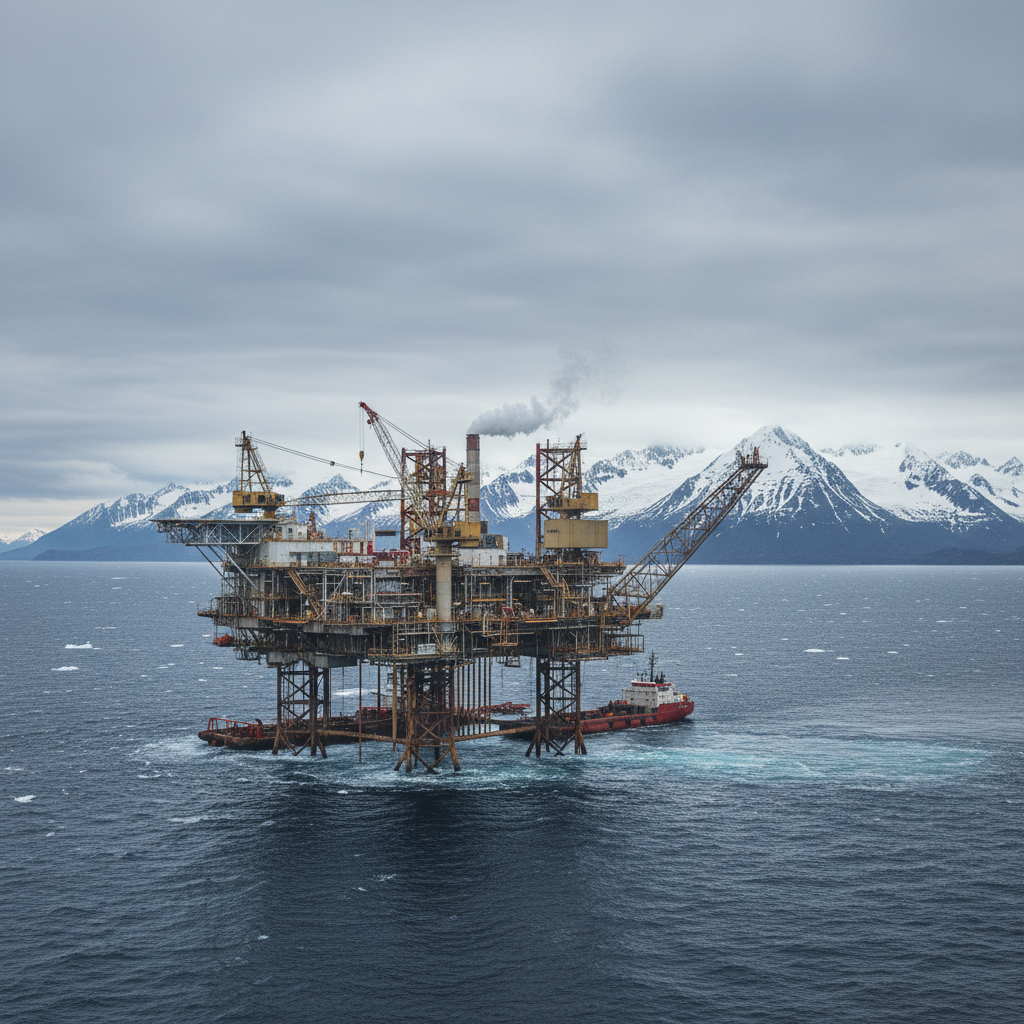
- Middle East tensions continue to drive oil price volatility, which directly impacts Alaska’s revenue from North Slope crude production.
Sector-Wise Breakdown: Energy, Logistics, and Healthcare
Dow Jones sectors resonate differently in Alaska, where the energy industry and federal operations dominate the landscape.
- Energy remains central, with oil prices affecting both government revenues and private investment across the state. Price swings in global crude markets ripple through Alaska’s economy faster than in other regions.
- Transportation and logistics face higher input costs due to distance, reliance on air freight, and shipping constraints.
- Healthcare is a growth area, especially in underserved rural regions where demand for providers and services remains high.
Investor Sentiment: What the Data Tells Us
Alaska’s investment climate reflects a balance of caution and opportunity. While energy and infrastructure projects offer potential, ongoing inflation and federal uncertainty keep many investors risk-averse.
- AAII Investor Sentiment Survey shows national optimism hovering near 45%, though Alaskan sentiment trails slightly due to cost-of-living burdens and economic concentration.
- ETF flows indicate interest in energy, infrastructure, and defense-related sectors—all of which align with Alaska’s strengths.
- Market breadth remains uneven, especially in regions outside Anchorage where economic activity is more limited.
7 Predictive Outlooks for Dow Futures in 2025
Key Dow Futures trends likely to shape investor strategy and economic outcomes in Alaska include:
- Volatility spikes—particularly around Fed announcements or oil market disruptions—may drive ±1–2% daily swings in Dow Futures.
- A likely rate cut by September, if realized, could support capital projects and reduce financing costs across state initiatives.
- Tariff-related inflation may delay monetary easing, prolonging higher prices for imported goods and materials.
- Sector divergence continues, with energy and healthcare outperforming while construction and transportation face pricing headwinds.
- A weaker dollar could improve export potential for Alaska’s seafood and energy, provided global demand holds.
- Labor market tightness—particularly in remote communities—may challenge project timelines and contribute to wage inflation.
- Investor sentiment will fluctuate, driven by oil prices, defense spending, and federal policy decisions tied to Alaska’s unique economy.
How Should Investors Prepare for the Year Ahead?
Alaskan investors should stay attuned to both global and regional developments. With key industries influenced by commodity cycles and federal budgets, strategy and flexibility are essential.
- Focus on sectors aligned with Alaska’s core strengths: energy, logistics, and defense contracting.
- Use Dow Futures and index options to hedge volatility around major economic announcements.
- Monitor indicators like oil prices, port traffic, and state revenue forecasts for regional clarity.
A Year of Watchful Optimism
For Alaska, 2025 presents both challenges and opportunities. Dow Jones Futures reflect a national economy in flux—and for the 49th state, those shifts translate into real financial consequences. With energy markets, inflation, and global trade in motion, Alaska’s path forward depends on agility, data-driven strategy, and alignment with both federal policy and global demand.