- calendar_today August 27, 2025
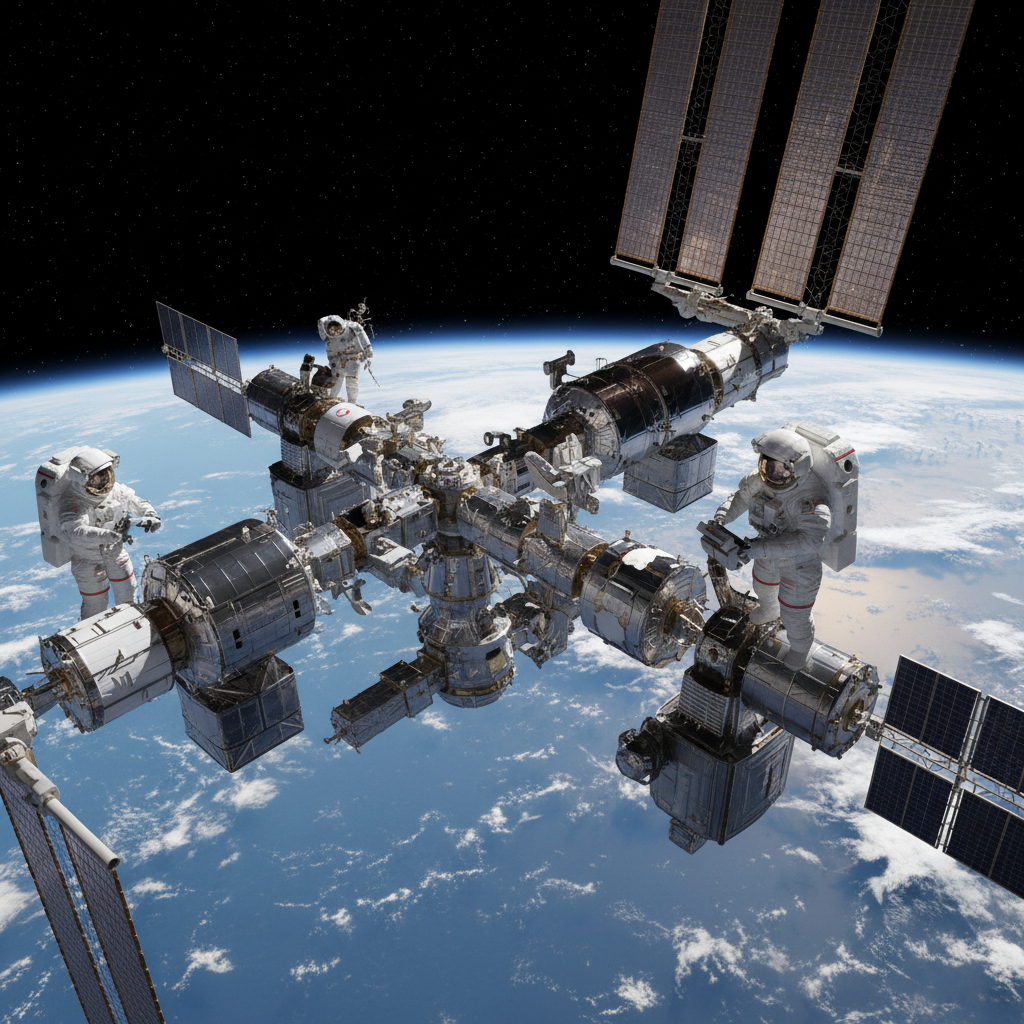
NASA and Roscosmos faced renewed concern due to a fresh air leak on the International Space Station which resulted in the postponement of the planned Axiom Mission 4 that aimed to send four astronauts to the space lab. NASA confirmed the delay but failed to disclose extensive information about the developing problem to the public. Sources have revealed that the aging hardware degradation aboard the ISS has prompted an urgent response to the situation.
The Russian Zvezda service module sustained notable leaks throughout the near three-decade-long mission of the space station. Engineers find the current leak concerning because it persists despite the recent successful repair efforts.
Ongoing Leak in Zvezda Module
Understanding the current situation requires examining the history of leaks on the ISS.
- The International Space Station started facing a sustained yet quantifiable air leak in the year 2019.
- Investigators identified the air leak’s origin within the Zvezda service module transfer tunnel which represents one of the most ancient elements of the space station.
- PrK stands for a tunnel that links the Zvezda module with a docking port serving Soyuz crew capsules and Progress supply ships.
Russian cosmonauts performed multiple repair attempts throughout the years but succeeded only in reducing the leak instead of stopping it. At one point measurements showed the leak produced several pounds of air every day. The best strategy so far to control the leak has been to keep the PrK hatch shut except during essential docking operations.
Roscosmos declared this month that their new repair work for the PrK module resulted in a complete seal according to their statement and NASA confirmed this finding with both agencies affirming the end of the leak rate in the module.
Air pressure throughout the entire space station continued to fall even though the PrK module leak had stopped. The contradiction between reports and reality generated new concerns alongside additional questions.
Theories Behind the Continued Air Loss
The PrK module is sealed properly yet air loss persists on the ISS. Two separate independent sources have identified the hatch seals to the PrK as the probable cause of the issue.
Here’s the likely scenario:
- The PrK module shows no internal leaks but seems to be taking in air through its hatch seals.
- Air entering the sealed PrK area creates misleading pressure stability through slow leakage.
- The station continues to experience pressure loss although the specific module has stopped leaking.
NASA is monitoring the situation closely. A senior insider who spoke with Ars Technica revealed that space station program leaders expressed their concern which led NASA to postpone the Axiom Mission 4 launch from its Thursday schedule.
The agency issued the following statement:
“NASA and Roscosmos gained extra time to assess the situation and decide if further troubleshooting actions are required because of the Axiom Mission 4 delay.”
The unofficial launch date set for June 18 remains tentative and subject to changes based on how the current situation develops.
Could Structural Fatigue Be the Underlying Threat?
The worst-case situation represents a much more severe problem than a simple leaky hatch. Technical teams now evaluate if the leaks indicate high cycle fatigue which results from metal deterioration after repeated stress over time. This phenomenon is especially concerning because:
- The condition can generate sudden catastrophic breakdowns without any prior indications.
- The process resembles bending a metal hanger until it breaks after multiple bends.
- Aloha Airlines Flight 243 suffered a mid-air decompression in 1988 when structural fatigue caused the aluminum body of the aircraft to fail.
NASA considers structural cracking the most severe risk according to its 5-by-5 risk matrix which evaluates threat levels based on both probability and impact to the station.
NASA Keeps Quiet, But Crew Remains Safe
NASA has neither released additional technical information nor planned a news conference to discuss the ongoing issue. The agency continues to issue only one public statement in response to increasing media inquiries.
“The space station crew continues its regular activities without incident.”
The operations on the International Space Station continue as usual at this moment. The persistent decrease in air pressure along with the station’s old infrastructure demonstrates how even humanity’s greatest engineering achievements eventually face aging challenges.
The joint investigation by NASA and Roscosmos keeps everyone looking upward as they anticipate definitive answers.