- calendar_today August 26, 2025
After months of both speculation and beta testing Google officially launched the rollout of Android 16. The Android 16 update launches first on Pixel devices today before moving on to additional Android smartphones in the weeks ahead and realistically over several months. Pixel users should soon receive the OTA (over-the-air) update but technical users can manually download and flash system images from Google’s developer site.
Users anticipating significant changes in this release should adjust their expectations accordingly. The Android 16 version lacks significant visual improvements and exciting new functions at this time. The key elements that add interest to this version of the software are either understated or planned for release throughout 2025.
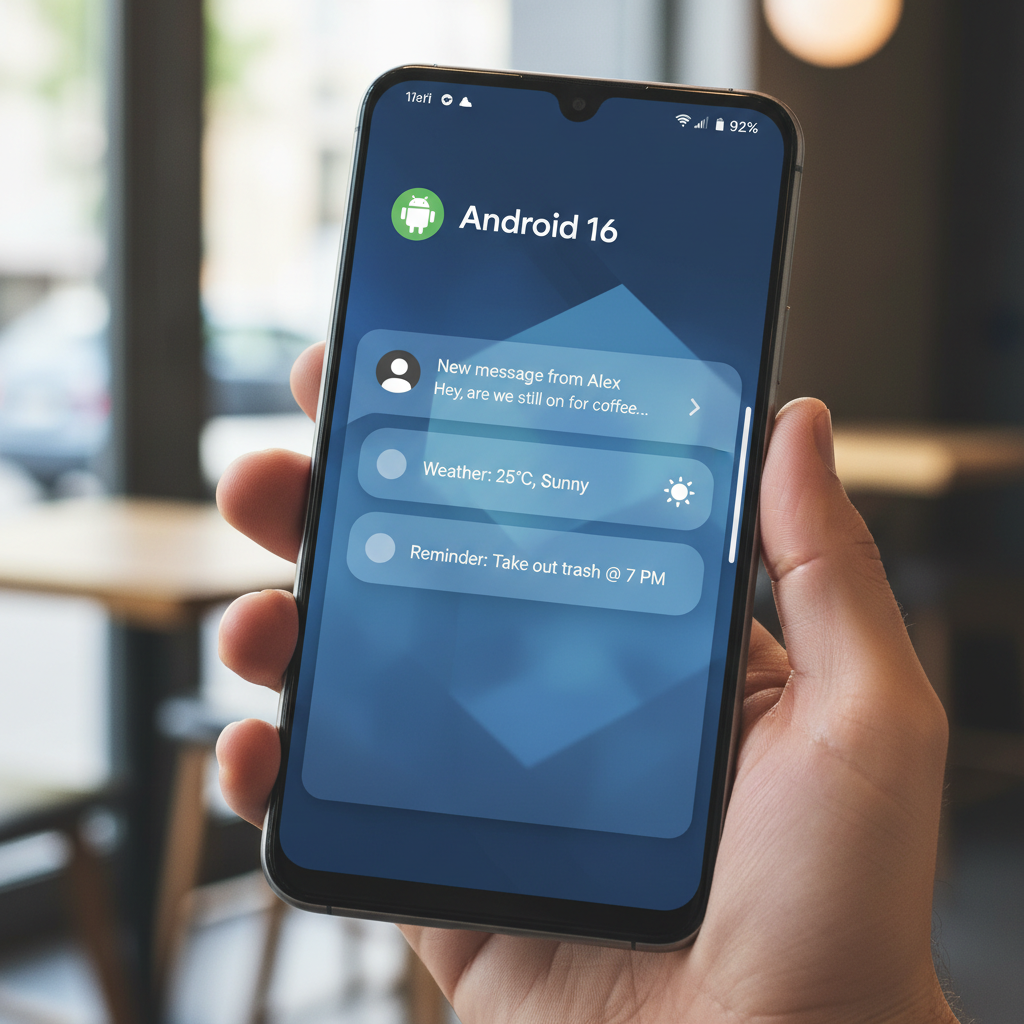
Users will find some helpful improvements included in this release. The notification experience received noticeable updates in the new release. System-wide enforcement of Android app notification bundling began since its debut in Nougat. Separate notifications from apps are now restricted to be consolidated into a single expandable notification item. This slight modification successfully reduces the amount of clutter within the notification shade.
The arrival of live update notifications marks a new feature beginning with rideshare and delivery applications. The notifications show up as a small icon inside the status bar and become a pop-up featuring a live progress bar when users tap on them. Google reports it is working together with Samsung and OnePlus to integrate this feature into their proprietary systems which include Samsung’s Now Bar and OnePlus’ Live Alerts.
The Advanced Protection feature brings system-wide security enhancements to Android 16. The feature which used to be associated with user accounts is now integrated directly into the operating system. Once activated this feature stops outdated 2G network connections and blocks insecure websites while also preventing USB devices communication with the system. Mobile security-focused users will appreciate this upgrade.
Android 16 introduces a creative feature specifically designed to entertain Pixel owners. The Pixel Studio app enables users to design their own emojis through Emoji Kitchen. Through generative AI technology this tool merges existing emoji elements to produce distinctive combinations which allow users to express themselves in novel and occasionally whimsical ways.
Developers working in the background have access to extensive resources. Android 16 (API level 36) enables apps to scale smoothly across bigger displays such as tablets and foldables without additional adjustments. The change connects with Google’s ongoing mission to enhance smartphone experiences through large-screen device optimization which has become a focal point for the company over the past years. The platform now supports new camera features such as motion photo capture, hybrid auto-exposure and night mode detection. Now users can capture HDR content through screenshots in apps that support this function.
Consumers will experience better battery performance alongside improvements in system operation. Google implements new restrictions on background applications which generally enhances system performance but might disrupt some older apps.
Google has introduced Pixel Drop along with Android 16 as a set of exclusive features available only for Pixel devices. The Pixel VIPs feature is a significant addition that enhances how favorite contacts function. VIP contacts now have their own widget for quick message access from both Messages and WhatsApp and can see birthday reminders and shared locations as well as personal details. Contacts designated as VIPs have the ability to override Do Not Disturb settings to deliver their messages without interruption.
The Pixel Drop includes additional hearing aid support as well as live search functionality for the Magnifier app and Expressive Captions which have been launched in the UK, Australia, and Canada. Pixel users will have access to these features without needing to update their system.
The official release of Android 16 does not yet include every highly anticipated feature because many remain under development. The Material 3 Expressive design system which Google introduced last month will not appear in the initial release. Google expects to release its new feature this year but is asking developers to start app preparation immediately.
Desktop mode continues to advance toward actualization after numerous years of speculation. A new desktop-style interface will become available on tablets and phones through the cooperation between Google and Samsung when these devices connect to external screens. The Pixel 9 Pro Fold and other foldable devices will not support on-device windowing which is available on tablets. Users must connect to an external display to operate desktop functions on their devices. Phone manufacturers will determine feature availability since Google phones will support it whereas other manufacturers might not.
This release marks a change in Google’s timeline for Android development. Google traditionally released new Android versions in the fall until Android 16 which debuted in late spring following their updated release timeline. Google plans to release a limited update focusing on APIs and new features by year end.
The initial release of Android 16 may lack immediate excitement for users but establishes a strong base for future development. Android’s most important features have yet to debut and when they arrive they will create a more adaptable and secure platform that works better with desktop systems.