- calendar_today August 13, 2025
World Price Hikes Promise Tough Times Ahead for Alaskan Consumers
India’s biggest car maker, Maruti Suzuki, has raised its entire lineup of vehicles by 4% because of increased raw material prices and continued supply chain pressures. Maruti Suzuki cars are not sold in Alaska, but the move is part of a worldwide trend in the auto industry that ultimately could affect car prices in the state.
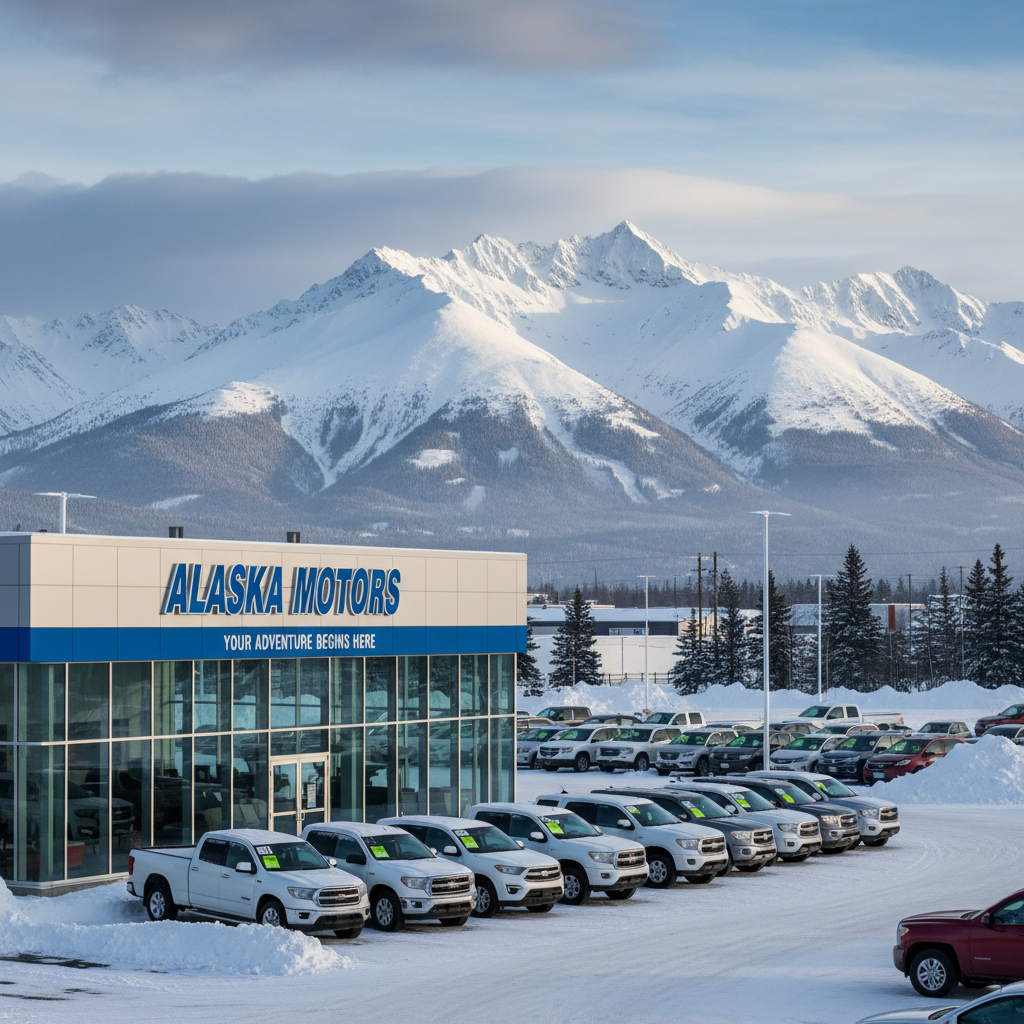
Alaska already faces higher transportation costs for vehicles due to its remote location and reliance on shipments from the continental U.S. If global automakers follow Maruti Suzuki’s lead, Alaskan consumers may experience price hikes that make car ownership even more expensive.
Why Maruti Suzuki’s Price Hike Matters to Alaska
As this hike is happening in some other corner of the globe, it is part of a broader movement that might affect the Alaskan car purchaser. Why Maruti Suzuki is doing it—increases in steel, aluminum, rubber, and transport prices—are all affecting American automakers Ford, Toyota, and General Motors equally.
If the same rate increases are imposed by these companies, Alaskan car dealerships might experience price increases, thereby making car shopping for customers more difficult at a greater cost.
Possible Impacts on Alaska’s Auto Market
Increased New Car Costs
If mass producers set off increases in prices due to worldwide trends, new vehicles in Alaska may rise in price. Since transport costs are high in the state, even a minimal increase in price would mean a lot to the locals.
Growing Demand for Used Cars
The higher the cost of vehicles, the more Alaskans would be compelled to switch to buying used cars. Such increased demand would drive up the cost of used cars and make it increasingly difficult for price-sensitive consumers to get good bargains.
Supply Chain Issues
Since continuous supply chain disruptions have increasingly been impacting world automotive production, Alaska should anticipate delayed car deliveries that result in reduced inventory and fewer options for consumers at dealerships. This may make it more difficult for consumers to acquire certain models or negotiate fair prices.
Shifting Consumer Attitudes
Certain Alaskans will purchase automobiles today in hopes of preventing future price hikes, and others will hold off and wait for prices to stabilize. This uncertainty could impact buying behavior by dealerships.
Preparation by Alaskans for Anticipated Price Hikes
Auto consumers and car dealerships throughout Alaska can also act ahead of time to prepare for possible fluctuations in the market:
- Buy Early If Possible: Consumers looking to purchase a new car can do better to buy earlier in the cycle instead of later to capture today’s prices before additional increases are tacked on.
- Think About Used Cars: Certified used cars are an acceptable compromise between cost savings and dependability, so they’re a smart choice for consumers who don’t want to pay more for new car prices.
- Compare Financing Plans: Because car prices vary, getting a good financing plan is a critical factor in affordability. Buyers must compare loan packages and interest rates to get the best plan.
- Dealerships Need to Diversify Inventory: To address changing consumer demand, Alaskan dealerships can consider adding an inventory of used cars and hedging various inventory options.
Conclusion
Maruti Suzuki’s 4% price hike is a reflection of the challenges facing the global automotive industry. While the direct impact on Alaska may not be immediate, the underlying factors driving this increase—rising material costs, supply chain disruptions, and inflation—are also affecting automakers in the U.S.
For Alaskans, planning and preparedness will be the key to riding out possible price hikes. Shopping new, or shopping used, consumers can make smart decisions so they get the most value in a volatile auto marketplace.