- calendar_today August 10, 2025
Alaska’s economy, powered by oil, seafood exports, and port trade, is entering a period of uncertainty as the United States imposes sweeping new tariffs in 2025. With a 104% tariff on Chinese imports and a 25% tariff on foreign-made vehicles, the Last Frontier’s global trade exposure is more vulnerable than many realize.
Markets reacted swiftly—on April 3, 2025, the S&P 500 fell by nearly 10%, and the Dow lost over 2,200 points in a matter of days (Reuters). But while Wall Street panics, Alaska’s port towns, oil rigs, and fishing fleets are preparing for more tangible challenges.
Tariffs Hit Hard in the North
As China responds with a 34% tariff on U.S. exports, Alaska’s seafood and natural resource sectors are among the most directly affected. In 2023, Alaska exported over $3 billion in seafood, nearly one-third of which went to Asian markets, including China and South Korea.
“This is an existential threat to our fisheries,” said a Sitka-based processor. “China was our largest buyer for Pacific cod, salmon, and crab.”
Meanwhile, the oil and gas sector is contending with a murky future, as steel and machinery used for pipeline infrastructure, drilling, and LNG transport now face higher import costs.
Key Industries Affected in Alaska
1. Seafood and Fisheries
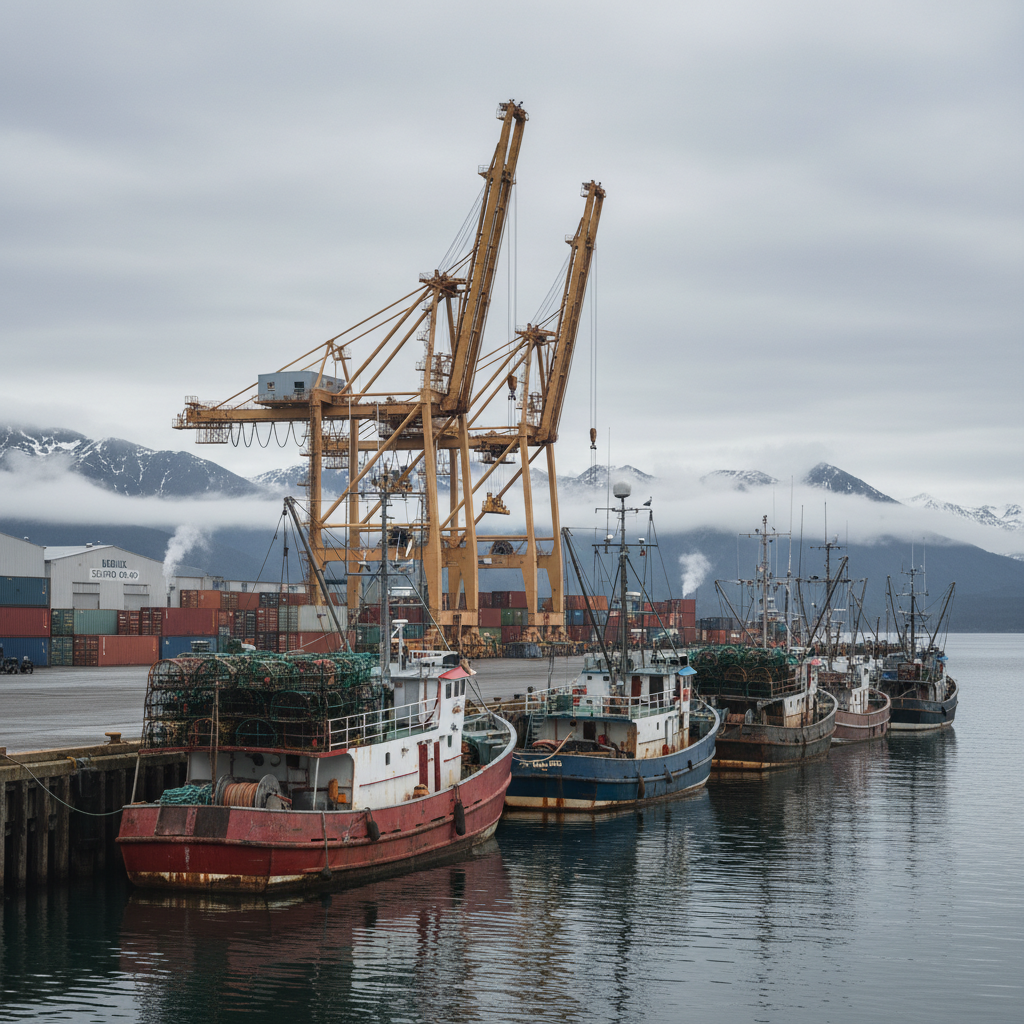
Alaska’s seafood industry employs over 60,000 people directly and indirectly. With China’s retaliatory tariffs now in effect, export costs have soared. For rural communities like Dutch Harbor and Kodiak, where fisheries are economic lifelines, this is a major disruption.
“We’ve already seen a 25% drop in orders from our Chinese buyers,” said an Anchorage-based seafood exporter. “We’ll have to explore new markets fast.”
Moreover, refrigeration units and processing equipment—often imported—are now costlier due to U.S. import duties.
2. Oil, Gas & Infrastructure
Alaska’s petroleum sector contributes over 15% to the state’s GDP. Projects on the North Slope and in Cook Inlet are heavily reliant on imported steel, valves, and specialized rigs. Tariffs on Chinese and Canadian industrial goods are causing a spike in costs and potential project delays.
According to BP and ConocoPhillips reports, procurement prices for key components have jumped 12–20% since March 2025.
This puts pressure on Alaska’s pipeline and LNG expansion plans, such as the long-debated Alaska LNG Project.
3. Shipping, Ports, and Retail Imports
Ports like Anchorage and Seward are crucial gateways for consumer goods, vehicles, and building materials—all of which now carry higher prices due to tariffs. In remote parts of Alaska where supply chains are already thin, this is likely to raise the cost of living.
Alaska relies on Washington state ports for most containerized imports. As tariffs increase, these additional freight and duty costs are passed along to Alaskans.
Local Investor Reactions: Defensive but Determined
Investors in Alaska are leaning away from high-volatility stocks tied to exports and focusing instead on domestic infrastructure, renewable energy, and hard assets.
Gold prices surged past $3,010 per ounce following the tariff announcement, up 1% in just two days (Reuters, April 9, 2025). Some Alaskans see gold as a hedge in times of global policy friction.
Local banks and investment firms report increased interest in utility stocks and municipal bonds related to energy and port upgrades.
Renewable Energy Gains Momentum
Tariff disruptions are ironically fueling Alaska’s renewable push. Wind and hydro projects in Southeast Alaska, which previously competed with cheap imported diesel, are now more economically viable as fossil fuel infrastructure costs rise.
State grants and federal subsidies are also creating new opportunities for green investors and developers.
Construction and Real Estate Forecast
Alaska’s construction sector will likely feel a squeeze from higher material costs. Builders report a 10–15% increase in project budgets for infrastructure development, especially in rural housing, energy facilities, and road expansion.
However, as domestic production of building materials scales up and demand for cold-region logistics centers grows, Alaska’s long-term real estate prospects remain resilient.
Short-Term Costs, Long-Term Strategy
While consumers and exporters are feeling the pain, many in Alaska believe the tariff turmoil could ultimately accelerate diversification.
“We can’t rely on China forever,” said an economist at the University of Alaska Fairbanks. “This could push us toward a more sustainable, regional economy.”
What Alaska Investors Should Watch
- Seafood export data, especially Pacific cod and salmon
- U.S.–China diplomatic progress
- Gold, oil, and LNG price trends
- Renewable energy grants and subsidies
- Construction costs in Anchorage and port towns
Final Thought
For Alaskan investors, the message is clear: adapt early or get left behind. The new global tariff regime is here to stay, for now. Navigating this economic sea change means reevaluating risk, seeking local opportunities, and staying informed.
Don’t Miss Future Updates
Subscribe for weekly analysis of how global trade policy affects Alaska’s economy.