- calendar_today August 12, 2025
Alaska’s Housing Market Wrestles with Isolation, Investment Potential, and a Changing Climate
Alaska’s real estate landscape in 2025 is unlike any other in the United States. Isolated, resource-rich, and environmentally fragile, the state’s housing trends are driven less by national mortgage rates and more by logistics, climate challenges, and the ebb and flow of population movement.
Anchorage, home to nearly 40% of Alaska’s residents, remains the focal point of the state’s real estate activity. But even here, the market faces a unique confluence of supply-chain barriers, labor shortages, and harsh weather conditions that complicate both new construction and resale dynamics.
A Market of Contrasts
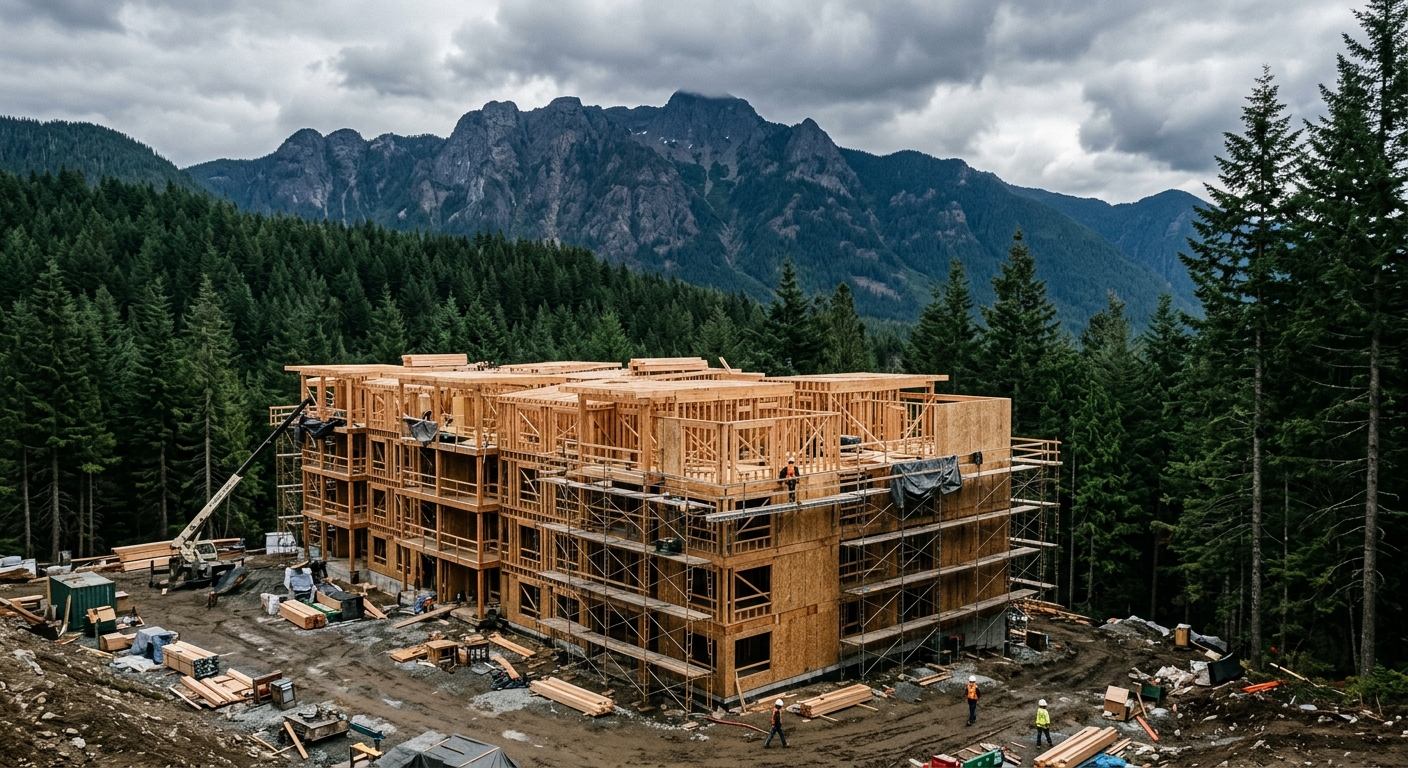
While median home prices in Anchorage hover around $430,000, that number doesn’t tell the full story. Inventory is extremely limited, and what’s available often requires significant renovation. Builders face high transportation costs for materials and a short construction season, meaning few new homes are coming online.
In smaller cities like Fairbanks and Juneau, the housing market remains stable but underwhelming in terms of volume. Seasonal demand—particularly from federal workers, healthcare professionals, and contract engineers—leads to short spikes in rental needs but limited long-term residential growth.
Rural and remote communities, many of which are accessible only by plane or ferry, continue to experience housing shortages that border on crisis. Some villages report overcrowding, with multiple families living in single units due to the high cost and complexity of building in remote, permafrost-affected areas.
Climate Pressure Hits Close to Home
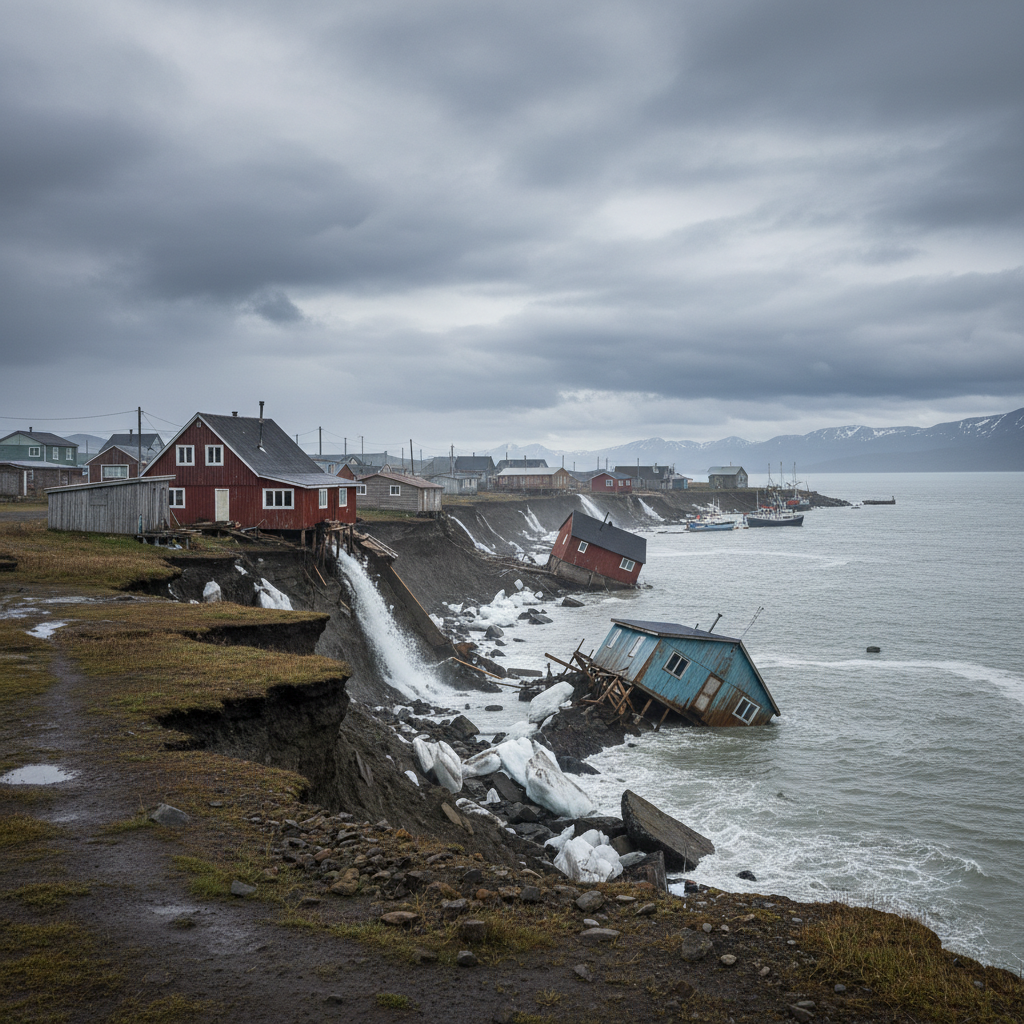
Alaska is warming faster than any other U.S. state. In 2025, the effects are impossible to ignore. Thawing permafrost is destabilizing roads and home foundations, while coastal erosion threatens dozens of Indigenous villages. Entire communities—such as Newtok and Shishmaref—are in the process of relocation, with real estate conversations shifting from speculation to survival.
This environmental volatility is now influencing property appraisals and insurance decisions. Banks are becoming more cautious in lending for properties near vulnerable coastlines, and buyers are starting to weigh climate resilience as seriously as square footage or location.
At the same time, parts of southern Alaska, particularly the Kenai Peninsula, have seen increased interest from Lower 48 retirees and remote workers who view the area as both scenic and increasingly temperate. These buyers tend to pay cash and seek land-rich properties, pushing up prices in previously quiet towns.
Migration and Military Anchors
Alaska’s population remains relatively flat, but pockets of in- and out-migration are shaping local markets. While some young professionals continue to leave for the mainland due to the cost of living and limited career options, others, particularly military families and federal contractors, are arriving on short-term assignments.
Military bases near Anchorage and Fairbanks provide a level of housing stability not seen elsewhere in the state. But that stability masks a larger issue: a lack of long-term affordable housing for civilians. Despite local initiatives and HUD-funded projects, building affordable multi-family units has proven slow and cost-intensive.
Rentals: Short Supply, High Stakes
Renters in Alaska face steep competition, especially in urban areas. Anchorage’s rental vacancy rate dropped below 3% in early 2025, leading to average monthly rents around $1,750 for a one-bedroom unit. Rent control discussions have emerged, though no policy shifts have yet taken effect.
In seasonal towns such as Homer, Sitka, and Ketchikan, landlords often prioritize short-term tourist rentals over long-term tenants, reducing availability for year-round residents. This trend has sparked debates at the municipal level about regulating platforms like Airbnb, though enforcement remains uneven.