- calendar_today August 27, 2025
By 2030, artificial intelligence (AI) is expected to disrupt or transform up to 50% of jobs globally, according to a report by the World Economic Forum. While many associate tech-driven changes with places like Silicon Valley or New York, Alaska is no exception. As the Last Frontier faces challenges from climate change and economic shifts, AI introduces yet another wave of transformation.
So what does AI disruption look like in a state famous more for salmon runs and oil rigs than tech startups? It turns out, Alaska’s indigenous industries and workforce may experience some of the most profound effects—and opportunities.
AI Is Already at Work in Alaska
From Anchorage to Juneau, AI technology is already gaining stealthy traction. In shipping and logistics, crucial to a state where goods travel long distances, AI optimizes routes and fuel consumption. In remote medical clinics, AI software helps physicians diagnose disease and examine X-rays.
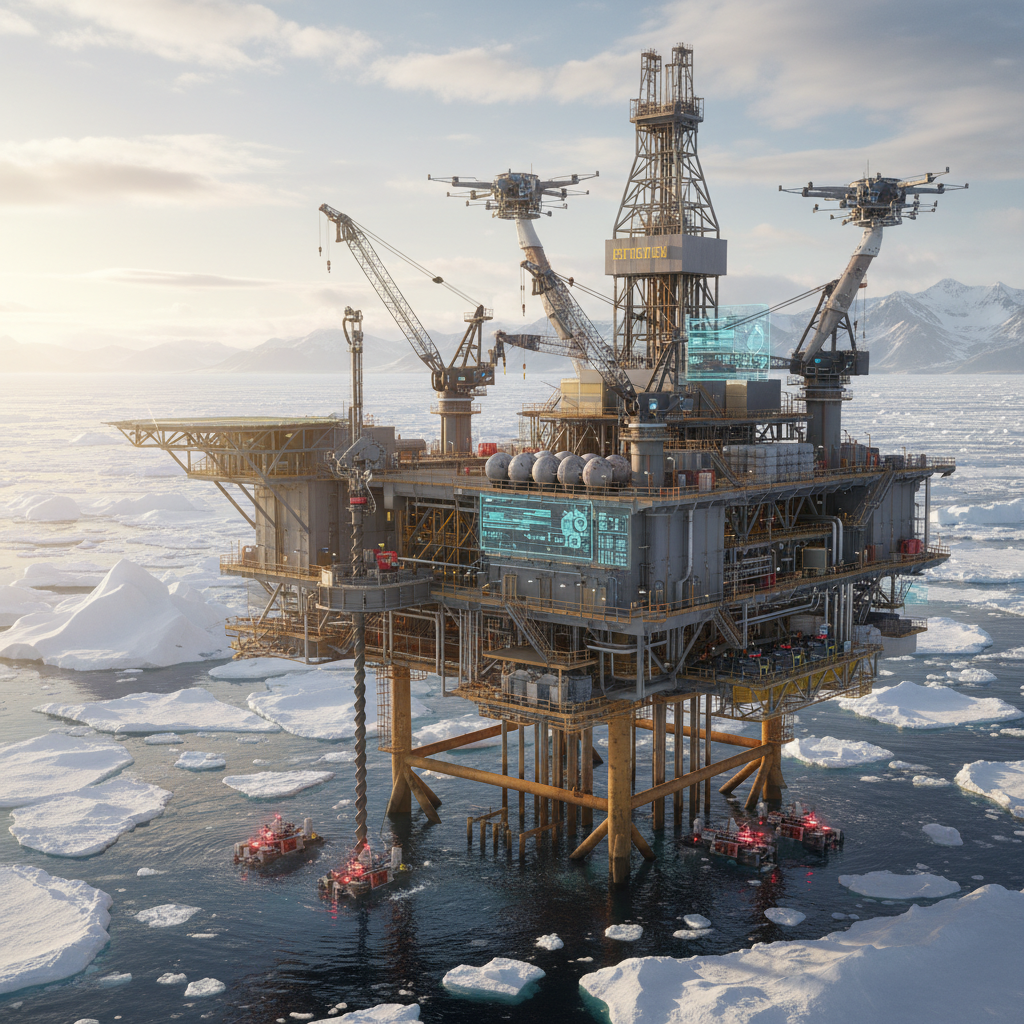
Alaska’s commodity-rich economy is also a leading contender for AI implementation. Oil producers on the North Slope employ predictive analysis to predict equipment breakdowns. Fisheries depend on satellite imaging and AI processes to predict fish migrations and weather.
While such technologies make businesses more efficient, they also decrease the demand for some forms of hand labor, raising further questions about the future of work in Alaska.
Industries Most Vulnerable to AI
Some Alaskan sectors might experience mass-scale job realignment:
- Transportation and logistics: Autonomous trucks and AI-based logistics software may decrease the need for planners and drivers.
- Oil and gas: Drilling automation and pipeline monitoring automation may substitute field-based jobs on a massive scale.
- Commercial fishing: Automated nets, navigation, and AI-based fish-counting machinery may optimize crews.
- Retail and customer service: Call centers and retail outlets might transition towards AI-based self-service models, diminishing front-line employment.
Though certain jobs will vanish, others will transform. The most vulnerable are those with repetitive tasks, but even roles that require creativity, problem-solving, or people communication can increase in value.
Occupations Most Likely to Survive in the AI Age
Not everything is doom and gloom. New categories of jobs will be demanded throughout Alaska:
- AI maintenance technicians: Machines malfunction, and distant installations will still need human management.
- Data analysts: More data will be gathered from Alaska’s expanse, and qualified experts will be required to interpret it.
- Healthcare professionals: AI will support physicians, but nurses, aides, and psychiatric staff are irreplaceable.
- Green energy experts: As the world moves away from fossil fuels, new energy careers, many driven by AI—will find their footing in Alaska.
The state can capitalize on opportunities to excel in sectors such as sustainable management of resources and research into Arctic data, where AI can be a useful ally instead of a menace.
Alaska’s Workforce: Future-Proofing
As a response to the rising role of AI, Alaskan institutions are rallying to ready their workforce.
1. Broader Educational Programs
Universities like the University of Alaska Anchorage (UAA) and the University of Alaska Fairbanks (UAF) are growing programs in computer science, robotics, and digital literacy. These programs are designed to reskill students and adults, getting the workforce equipped for the digital economy.
2. Reskilling in Vocational and Trades
Rural dwellers and tradesmen aren’t being left behind. Trade schools and community colleges throughout the state are incorporating AI-relevant skills such as electronics, machine repair, and automation controls into standard courses.
3. Industry Partnerships
Firms are also coming forward. Certain oil and logistics companies are joining forces with training organizations to provide reskilling courses to existing employees, moving them into jobs that involve AI tools instead of displacing them.
The Rural AI Divide: A Special Challenge
Alaska’s geography puts a complicating spin on its AI evolution. Much of Alaska’s remote communities do not yet have access to high-speed internet, advanced technology, and job training facilities. Without deliberate action, they threaten to get left behind.
To counter this, state and federal governments are investing in broadband infrastructure and mobile training facilities, with a goal of making rural citizens not just bystanders to the AI economy.
Getting Ready for an AI World in Alaska
So, how can workers in Alaska get ahead?
- Stay ahead of the curve: Understand what aspects of your work may be automated.
- Get trained: Online or offline, acquire skills in coding, operating machines, or cybersecurity.
- Connect with colleagues: Join community tech meetups or industry events—yes, even online ones—to stay networked and informed.
- Welcome change: See AI as more than a threat, but as an agent that can enhance job quality and provide opportunities for new careers.
Final Thoughts
Artificial intelligence will reshape Alaska’s economy. But while 50% of jobs might be disrupted, it doesn’t mean half the state loses its job. It means lots of jobs will be transformed, and lots of new jobs will be created. The trick is how Alaska gears up, educates, and benefits its citizens along the way.
From Prudhoe Bay oil fields to Homer fishing docks and Anchorage schoolrooms, Alaska has always pivoted. With the right equipment, leadership, and community backing, the state will not only survive the age of AI but thrive, and set an example for others.