
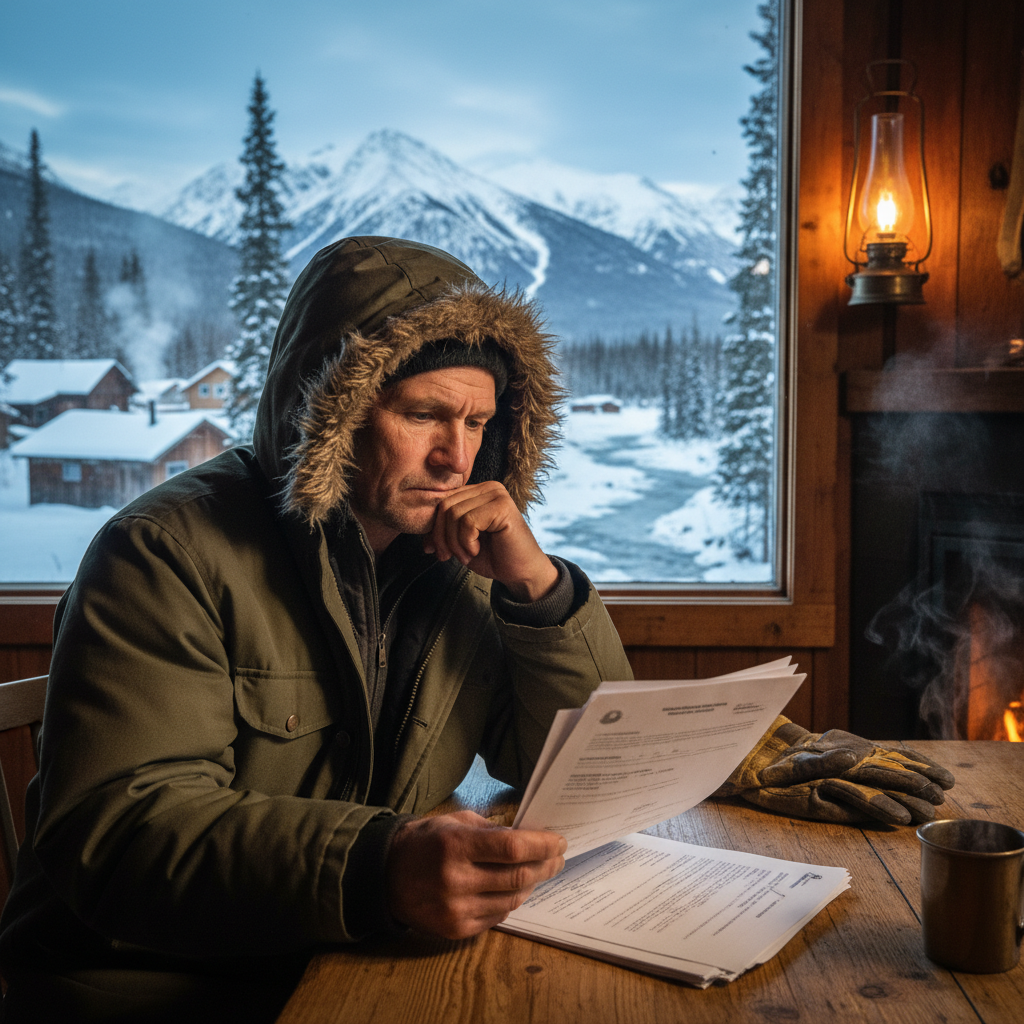
AI-generated illustration; not a photograph of the reported event.
- calendar_today April 13, 2026
Alaska’s Ukrainian community faces mounting stress as prolonged work authorization delays threaten livelihoods and deepen uncertainty, casting a shadow over the region’s workforce and economy.
Growing Uncertainty for Ukrainians in Alaska
Ukrainians in Alaska are grappling with extensive bureaucratic delays in renewing their work authorization and immigration documents. These delays, linked largely to federal immigration programs, have sparked a climate of economic insecurity and forced many to reconsider their future in the region. Local organizations, like the Ukraine Relief Program, are bearing witness to a steady outflow of residents as they navigate unpredictable renewal processes.
Impact of Federal Immigration Programs
The challenges stem from programs such as Uniting for Ukraine and Temporary Protected Status, both of which require timely immigration renewal to maintain work eligibility. Applicants commonly report wait times that stretch far beyond expectations. Bureaucratic delays complicate life for Ukrainian refugees and their families, leaving them at risk of losing employment and access to basic necessities within Alaska’s sometimes unforgiving economy.
Personal Stories Highlight Emotional Toll
Olena Dubchenko is just one of many who have left Alaska because of these uncertainties. She, along with several others, chose to seek stability in other states or countries, unable to withstand the mounting risk of being unable to provide for their families. The process is emotionally fraught, as many remain intimately connected to the war in Ukraine, compounding the anxiety experienced as visa processing delays persist.
Push for Action From Alaska’s Leaders
Alaska’s workforce shortage places even greater pressure on the state to resolve these issues. Local employers depend on the steady contribution of Ukrainian refugees and other immigrant groups, making the loss of this workforce an acute concern for Alaska employers across industries. Elected officials, including Senator Lisa Murkowski and Governor Mike Dunleavy, have publicly advocated for reforms—urging expedited reviews and exemptions for those whose lives and work are at risk due to slow federal immigration programs.
Limited Federal Response Raises Concerns
The federal government’s response, primarily through the Department of Homeland Security, has thus far been limited. Emphasis has been placed on self-deportation as an option for those unable to wait out renewals. This stance, according to advocates, fails to address the pressing needs of Ukrainians in Alaska and compounds the challenges faced by the entire region as it contends with persistent alaska workforce shortage issues.
Community, Economy, and Humanitarian Stakes
The intersection of immigration renewal and labor demand in Alaska highlights the complex reality for ukrainians in alaska. As applicants wait, the economic ripple effects are felt throughout communities—straining nonprofits, destabilizing families, and inconveniencing employers reliant on their skills. The challenges extend beyond policy or paperwork; they capture the humanitarian dimension inherent in current U.S. immigration debates.
The Path Forward in Alaska
With advocacy efforts underway, hope remains that meaningful change will come to processes around temporary protected status and related visa procedures. As Alaska continues to welcome immigrants seeking safety and opportunity, a swift and compassionate resolution to the bureaucratic delays affecting ukrainians in alaska remains an essential step to securing both the state’s economic stability and the well-being of its diverse communities.


