- calendar_today August 29, 2025
Alaska, with its rough landscape, rich resources, and hardy people, is on the verge of a new dawn of economic rebirth. Following a series of years of financial uncertainty, fueled by world events, inflation, and pandemic interruptions, Alaska is finally seeing a change in its economic story. The catalyst? A steady fall in inflation levels that is providing companies and families some much-needed relief.
This welcome shift is creating a wave of hope spread across the state, from the oil fields of Prudhoe Bay to Anchorage neighborhood stores, and opening up new opportunities for growth and stability.
The Grip of Inflation is Loosening
In the last several years, climbing inflation had reached nearly every Alaskan — in increased fuel prices, expensive grocery purchases, or tight housing affordability. Inflation tends to strike Alaska harder than the rest of the states due to its off-the-map location and dependency on outside supplies. 2025 is different.
As pressure on inflation recedes, consumer costs are leveling off. Gasoline prices, the most important in a state where people travel long distances and use oil to heat their homes, have plummeted. Food bills are becoming more affordable, and fares to ride around are holding steady. This is instilling a sense of relief among many households that were sacrificing to get by.
Jobs Are Coming Back, and Optimism is Building
Alaska’s labor market is also coming back to life. As businesses become increasingly optimistic and consumer spending returns to households, jobs are more plentiful. Sectors such as transportation, construction, health care, and warehousing have recovered — and in some instances, exceeded — pre-pandemic job levels.
This new growth is not merely statistics; it is actual, positive change in communities throughout the state. More individuals are achieving stable jobs, and local economies are once again flourishing. Small businesses, the backbone of Alaska’s towns and cities, are also reaping rewards from more stable prices and increased consumer demand.
Oil and Gas Remain an Economic Driver
One of Alaska’s most important economic supports — the oil and gas industry — is picking up speed. As inflationary pressures relaxed and energy markets firmed up, plans for new oil production projects are moving ahead steadily.
Megaprojects such as ConocoPhillips’ Willow Project and Santos’ Pikka project are generating jobs, stimulating investment, and assisting to fuel economic activity in the North Slope and the state as a whole. These projects are not just generating revenues but also faith in Alaska’s economy in the long term.
Federal Investments Are Making a Difference
Another major driver of Alaska’s economic boom is federal investment. Billions of dollars of infrastructure, energy, and public services spending are flowing into the state. Those dollars are financing new roads, improving utility infrastructure, expanding broadband, and investing in renewable energy projects.
These investments are generating jobs, stimulating local economies, and increasing the state’s long-term economic potential. Specifically, these investments also assist in mitigating economic gaps that numerous rural Alaskan communities experience.
Tourism is Waking Up
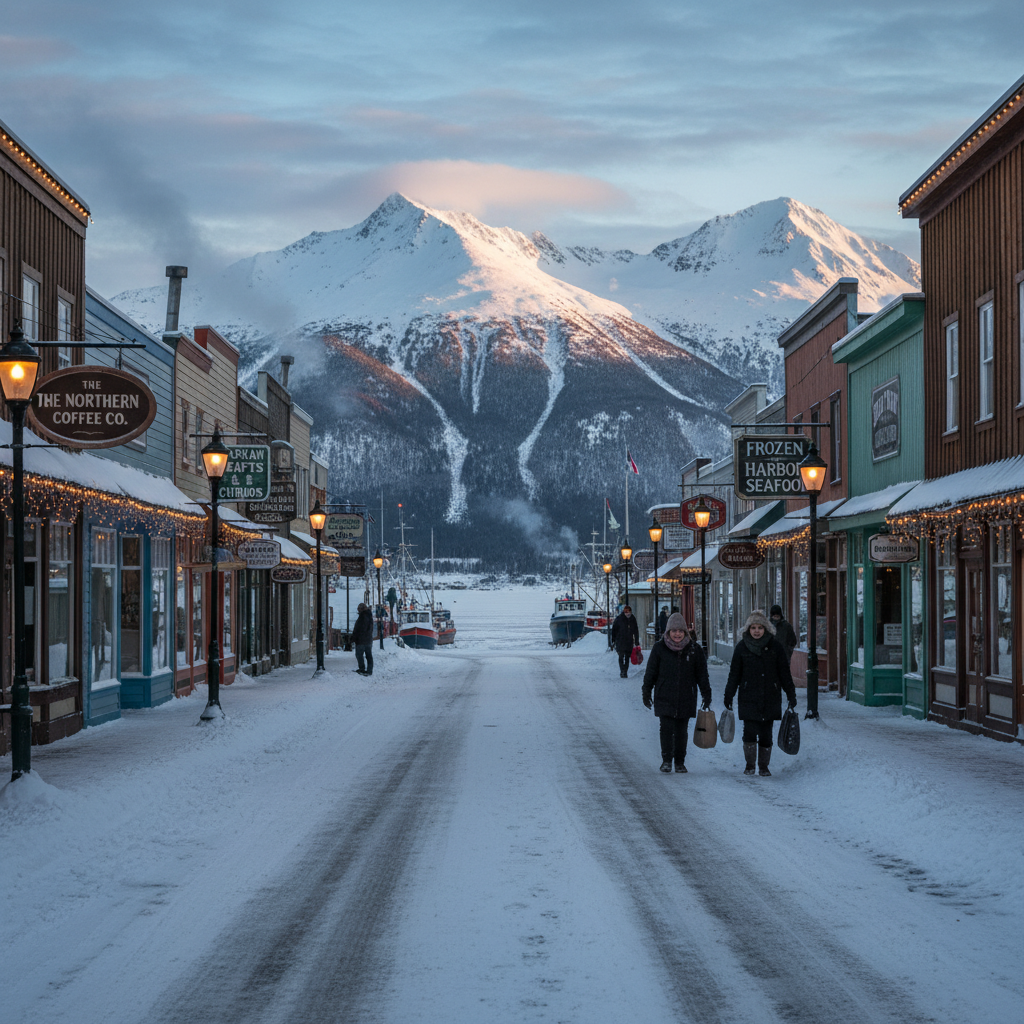
With inflation slowing and the price of travel leveling off, Alaska’s tourism industry is opening its eyes. Following a brutal couple of years, cruise ships are once again docking, and tourism traffic to destinations such as Denali National Park, Juneau, and Fairbanks is again on the rebound.
Tourism generates more than pretty pictures — it generates employment, local business and artisanal income, and greater visibility for the state’s distinctive sights. With inflation easing and vacations lessening in cost, more and more people are finding their way to Alaska, fueling the state’s increasing economic influence.
Construction and Housing on the Rise
For a number of years, inflationary high building costs slowed and made construction and building slow and costly. But now with interest rates and material prices coming back into balance, Alaska’s building scene is once again recovering.
Residential construction, especially in urban neighborhoods such as Anchorage and Wasilla, is picking up. This is important in responding to Alaska’s historical housing challenges. With more affordable housing, the state will be able to attract and retain a skilled workforce — another component in maintaining its recovery.
Challenges Remain
Despite the improving trends, Alaska still faces issues. Its economy remains exposed to fluctuations in oil prices and federal policy. Unpredictability in markets can strike state budgets at any moment, and several communities continue to maintain high living costs and limited access to healthcare or infrastructure.
And then, of course, there is the specter of labor shortages in some industries, particularly in rural areas. With the recovery of the state, a priority on workforce education and training will be crucial.
A Hopeful Path Forward
Overall, Alaska’s economy in 2025 is a welcome relief from the misery of the last two years. As inflation slows, consumer confidence returns, and primary industries such as energy, tourism, and construction recover, the state is on track to come back.
Both policymakers and business leaders have a singular chance here — to seize the moment by investing in long-term infrastructure, increasing job training programs, and making certain that all Alaskans, from village to town to rural village to city, share in progress being achieved.
Conclusion
Alaska’s history is one of perseverance. As the state overcomes the specter of inflation, its economy is breathing a sigh of relief, businesses are discovering firm footing, and people are beginning to feel hope once more. If things hold, Alaska could be starting one of its most stable and prosperous times in memory — a welcome relief to the Last Frontier.