- calendar_today August 12, 2025
Alaska’s industries, from energy to fishing, are facing higher costs and market volatility as Trump’s trade policies reshape global business.
The economy of Alaska is already feeling the pinch of Donald Trump’s trade policy, as emerging trade tensions and tariffs are testing core industries. From energy and fishing industries to tourism and small business, the state’s economic well-being is threatened by rising costs and uncertainty. While these industries shift their focus to adjust to new patterns of global trade, Alaskan policymakers are issuing warnings regarding the long-term effects on workers and local enterprises.
Fishing Industry Plagued with Export Issues
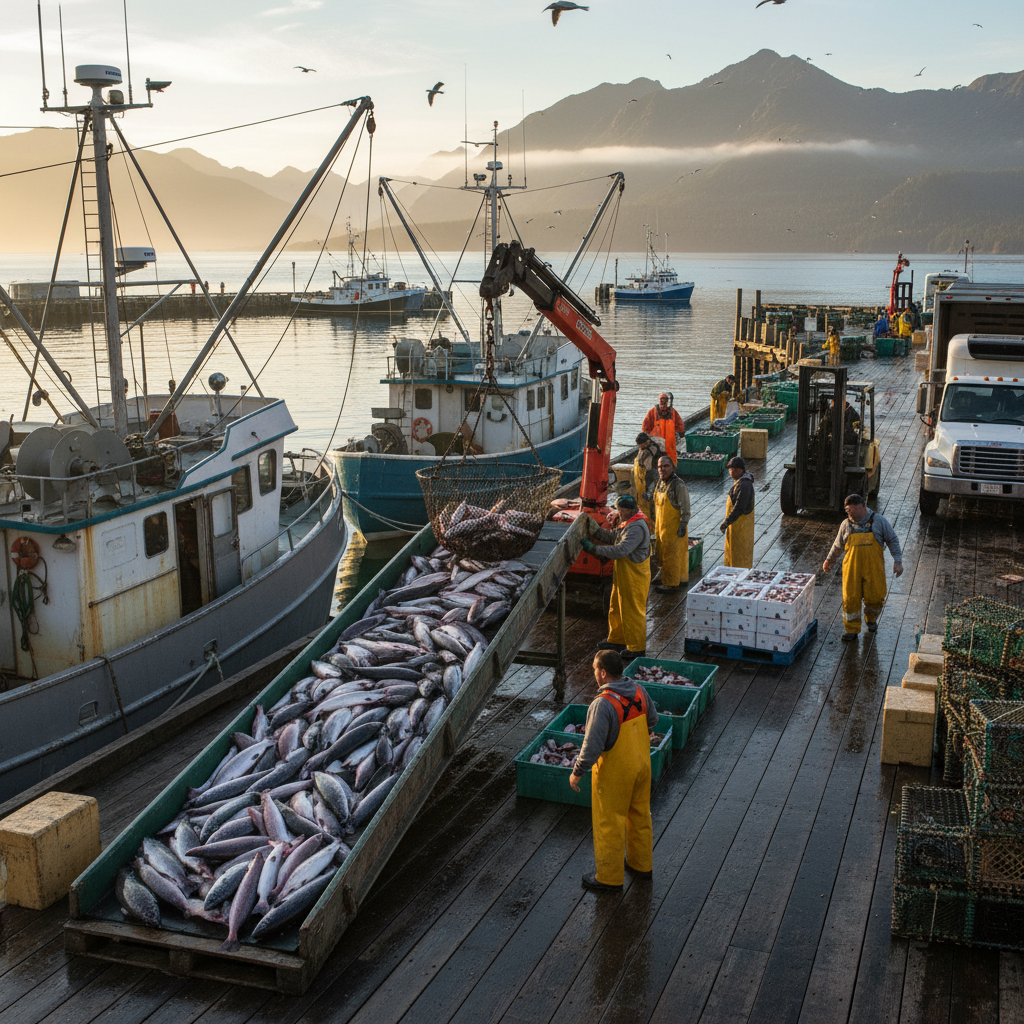
The fishing sector is the bread and butter of Alaska’s economy, bringing billions of dollars to the state and employing thousands of individuals. But Trump’s tariffs and countermeasures by important trade partners—particularly China—are creating export issues for seafood producers.
China has been a huge market for Alaskan seafood exports such as salmon, crab, and pollock for many years. When Trump put tariffs on Chinese imports, the Chinese government retaliated with high tariffs on U.S. seafood. This has increased the cost of Alaskan exports, made them less competitive in the global market, and restricted sales.
The state’s Chinese export of seafood declined abruptly when the tariffs kicked in, according to the Alaska Seafood Marketing Institute. These tiny fishing operations in Kodiak and Southeast Alaska are vulnerable since they cannot absorb such shocks or diversify to other foreign markets.
Oil and Gas Industry Issues
The Alaska oil and gas industry—Alaska’s most significant industry—is not left untouched by Trump’s trade policies’ ripple effect either. Tariffs imposed on imported foreign equipment and steel that are imported from abroad have driven up the cost of building and maintaining infrastructure required to produce and transport oil.
Energy companies in Prudhoe Bay and the North Slope rely on specialized machinery typically imported from overseas. As the cost of imports increases, these companies will have higher operating expenses, which would impact future energy production and exploration in the region.
Industry players contend that continued tariffs will discourage investment in new energy projects and slow down development of Alaska’s oil reserves, the cornerstone of the state revenue stream.
Tourism Industry Battles Market Uncertainty
Alaskan tourism—a leading source of summer revenue—is also grappling with uncertainty under Trump’s trade policy. Rising cost of foreign products and international tensions have raised fears of fewer foreign visitors, particularly from Asian and European countries.
Alaska businesses in tourist centers like Anchorage, Juneau, and Fairbanks rely nearly entirely on international visitors. Possible disruptions in international tourism have the ability to reduce revenues for local hotels, tour operators, and small enterprises, an Alaska Travel Industry Association report says.
Furthermore, cruise ships, a key element of Alaska’s economy based on tourism, are affected by higher fuel prices and trade uncertainty. Fewer tourists from major trading nations mean several small communities along the Inside Passage bracing for potential economic declines.
Small Businesses Bear Higher Costs
Alaskan small enterprises are finding it hard to keep up with the increase in the price of imported goods and commodities. Cheap imports-driven sectors such as agriculture, retail, and construction are severely affected as tariffing Chinese, Canadian, and European imports increase their price.
For example, Anchorage construction companies are indicating higher costs of steel, wood, and equipment, hence elevating the price of building houses and infrastructure. Retailers are equally suffering from higher import costs on general consumer items, hence the challenge of keeping prices low for local consumers.
Alaskan business interest groups are urging the federal government to reconsider trade policy that disproportionately hurts far-off economies. Small business leaders maintain, unless tariff relief is provided, rising costs will continue to squeeze profit margins and even cause job loss.
Alaska’s political and business leaders are calling for policy reform to protect the state’s economic interests. Governor Mike Dunleavy has written about the devastating effect tariffs are having on major industries. State officials are attempting to forge new trade relationships while calling on the federal government to provide relief in times of economic uncertainty.
Also, interest groups like the Resource Development Council are promoting free trade and energy development policies, arguing that long-term economic growth is dependent on stable trade agreements and low-cost materials.
The Future of Alaska’s Economy
Although the final impact of Trump’s trade policies on Alaska has yet to be seen, most analysts are of the opinion that prolonged trade wars can have lasting economic implications. Higher costs for industries ranging from fishing to energy jeopardize the state’s economic strength and employment.
Alaskan policymakers and businesses are attempting to advance a response to these issues through domestic investment promotion, diversification of export markets, and campaign work for balanced trade policies. Without a shift in federal trade policy, however, Alaska’s economy could continue to be afflicted with volatility and fiscal stress, many warn.