- calendar_today August 8, 2025
Rising Tariffs and Supply Chain Disruptions Impact High-End Car Sales in Alaska
Alaska’s luxury auto market is struggling as Trump’s trade policies drive up prices, disrupt supply chains, and lower consumer demand.
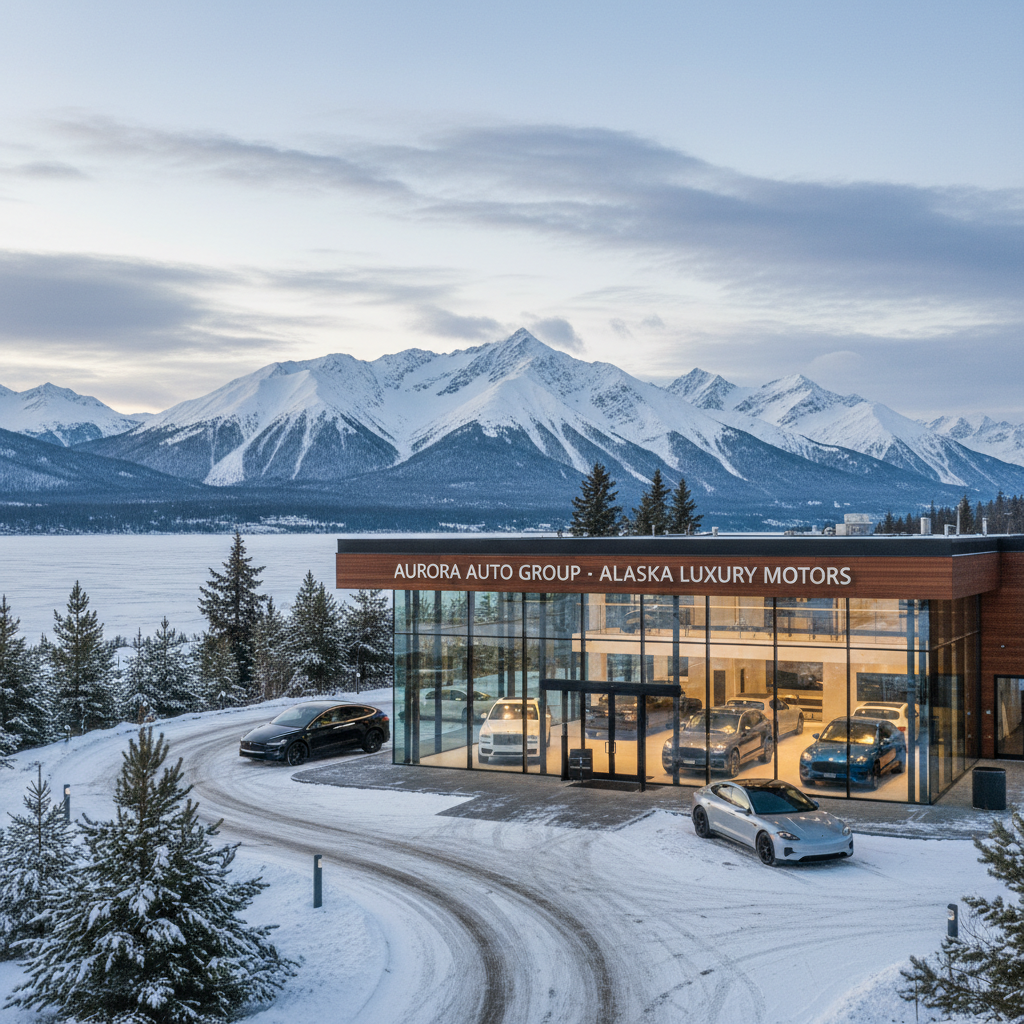
Alaska’s luxury auto market is facing serious challenges as former President Donald Trump’s trade policies continue to impact the industry in 2025. Increased tariffs on imported vehicles and auto parts are causing prices to soar, while supply chain disruptions are reducing the availability of high-end cars. For both local dealerships and consumers, these economic pressures are creating a difficult environment for the sale and purchase of luxury vehicles across the state.
Tariffs Increase Costs for Luxury Automakers
Trump’s trade policies, particularly the tariffs on vehicles and auto components from Europe and Asia, are having a direct effect on Alaska’s luxury car market. Brands like Mercedes-Benz, BMW, and Audi, which depend on global supply chains, are struggling with rising costs that are ultimately passed on to consumers.
The 2025 tariffs have increased the price of luxury vehicles in Alaska by an estimated 10-15%, making already expensive cars even less accessible. Dealers report that shipping costs to Alaska, which were already high, have surged further under the new policies. These combined factors are leading to sticker shock for potential buyers and declining sales across the luxury segment.
Local Dealerships Struggle to Maintain Inventory
Luxury car dealerships in major Alaskan cities like Anchorage and Fairbanks are particularly affected by the supply chain issues stemming from the trade policies. Many are reporting reduced inventory, as international manufacturers prioritize larger markets in the continental United States.
This shortage is causing delays in customer orders and limiting the availability of popular models. Dealerships are also under pressure to absorb part of the tariff-related costs to remain competitive, cutting into their profit margins.
To combat these challenges, some dealerships are offering aggressive financing options and promotional discounts. However, with tariffs continuing to drive up prices and shipping logistics remaining unpredictable, sustaining these measures over the long term is proving difficult.
Impact on Consumer Behavior
Alaskan consumers are reacting to the rising costs of luxury cars by either delaying purchases or seeking alternatives. Some potential buyers are opting for pre-owned luxury models, which provide a more affordable option despite also facing increased maintenance costs due to tariffs on imported parts.
Others are turning to domestic luxury brands, which are less affected by the trade policies. As a result, vehicles from companies like Cadillac and Lincoln are gaining traction in the Alaskan market, while traditionally dominant European brands are losing their market share.
Additionally, the increased financial burden of maintaining luxury vehicles is prompting consumers to reconsider their choices. With higher costs for replacement parts and repairs, owning an imported luxury car is becoming more expensive in the long run.
Economic Ripple Effects in Alaska
Beyond the dealerships and consumers, Alaska’s broader economy is also feeling the effects of the trade policies. The luxury auto industry supports a range of local businesses, from mechanics specializing in high-end vehicles to companies providing logistical support for importing cars. As sales decline, these related sectors are also experiencing reduced revenue and increased uncertainty.
Economic analysts warn that if the tariffs remain in place, Alaska’s luxury auto market could see long-term damage. Reduced sales may lead to dealership closures or layoffs, further impacting the state’s economy.
Future Outlook for Alaska’s Luxury Auto Industry
The future of Alaska’s luxury auto market hinges on whether the current trade policies will be eased or intensified. If tariffs are lifted, there is hope that prices will stabilize and supply chains will improve, restoring confidence among both consumers and businesses.
However, if trade tensions escalate further, the market may continue to contract. Industry insiders are closely watching for potential policy shifts that could either relieve or exacerbate the current pressures.
For now, Alaska’s luxury auto dealers and consumers must navigate an uncertain landscape shaped by rising costs and limited availability. Unless significant policy changes are made, the challenges facing this niche market are unlikely to subside anytime soon.