
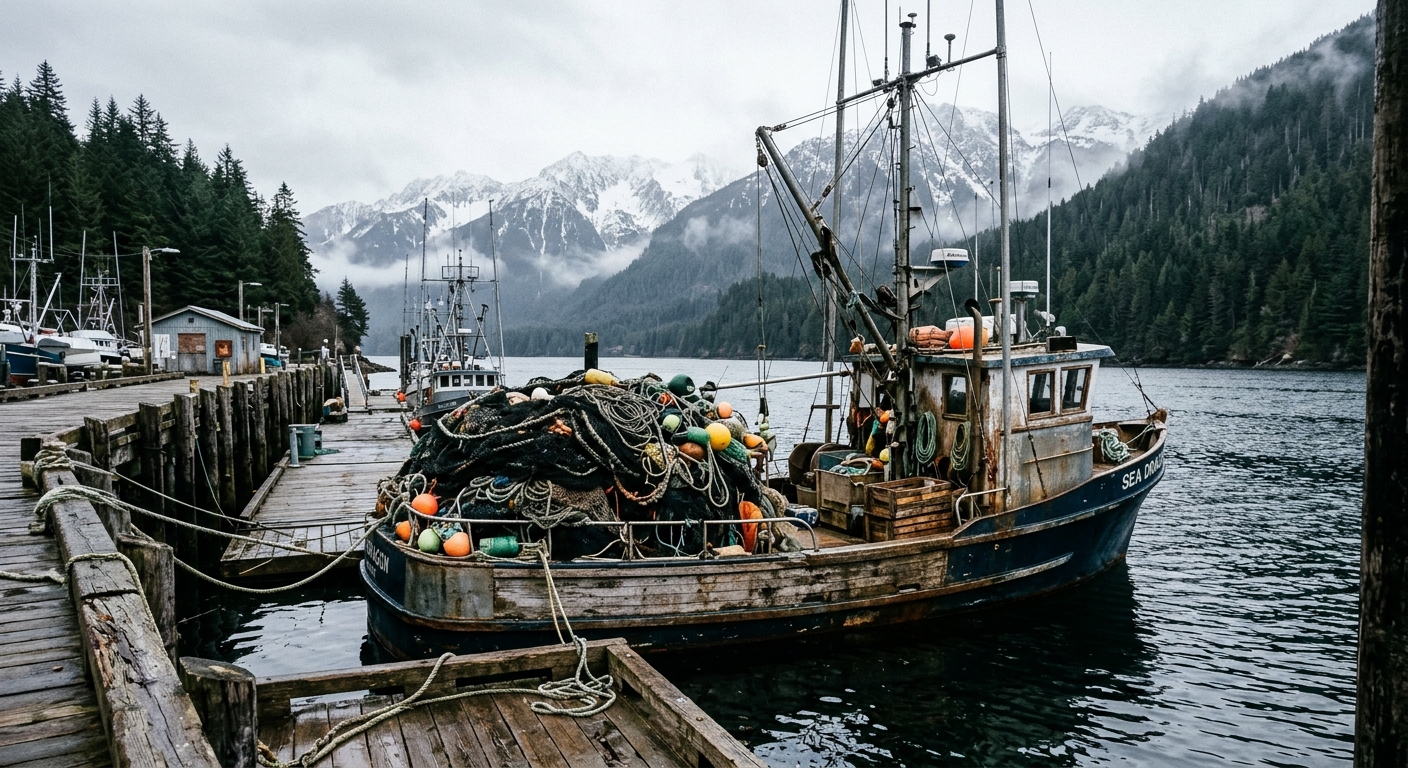
AI-generated illustration; not a photograph of the reported event.
- calendar_today November 16, 2026
Statewide Growth in Alaska Fishing Jobs after Downturn
Alaska’s commercial fishing industry added jobs in 2025, breaking a six-year streak of declines. According to the Alaska Department of Labor and Workforce Development, the state’s seafood harvesting industry gained an average of 216 jobs per month last year—a 4% increase from the previous year and the largest annual percentage growth in over a decade. This uptick ended five years of fishing job losses, with overall harvesting employment averaging 5,609 jobs in 2025, up from 5,393 in 2024. However, this still falls short of the 7,653 average jobs seen in 2019, indicating that most of the jobs lost during the recent downturn have not been regained.
Salmon Fisheries and Regional Employment Trends
Salmon fisheries were a key driver of the statewide recovery, adding approximately 190 jobs as harvests improved in several areas. Groundfish employment rose by 14%, and the reopening of certain fisheries helped to further offset losses elsewhere in the industry. However, the recovery was not evenly distributed across the state.
Southeast Alaska Shows Limited Signs of Recovery
In Southeast Alaska, the rebound was much more subdued. State economist Joshua Warren reported that commercial harvesting jobs in the Southeast grew by fewer than 15 in 2025—a less than 1% increase following an 8% drop the prior year. While salmon and groundfish harvesting provided incremental gains, these were offset by declining employment in halibut and sablefish fisheries. According to Alaska Department of Fish and Game data, Southeast Alaska and Yakutat's commercial salmon harvest totaled 38.8 million fish in 2025, a 1% increase from the year before, with a dockside value estimated at $119.6 million.
Fisher participation continues to decline. In 2025, 1,267 commercial salmon permits were used. Participation in the power troll fishery hit its lowest number since 1976, with only 517 active, and drift gillnet participation matched last year’s historic low at 319. The number of purse seine participants increased slightly to 200 but remained the third lowest since limited entry was introduced.
Juneau’s Declining Fishing Workforce
Juneau has faced a particularly steep decline in its commercial fishing workforce. Only 175 Juneau residents held permits and landed a catch in 2025—down from 295 in 2000, representing a 41% drop over 25 years. The Juneau Economic Development Council notes that permitted commercial fishing vessels registered in Juneau, Auke Bay, and Douglas fell from 950 in 2005 to just 483 in 2023—a nearly 49% reduction, far exceeding the statewide decrease during the same period.
The number of active Juneau fishers dropped from 247 in 2019 to 176 by 2024, with just 175 remaining in 2025. Earnings for Juneau’s harvesters have not kept up with inflation, although average earnings among those still participating have grown.
Seafood Processing Employment Grows in Juneau
In contrast to harvesting, seafood processing jobs in Juneau nearly doubled from 2000 to 2025, even as the rest of Alaska saw financial challenges in the industry. Most local processing roles are tied to independent operators rather than large national companies. While seafood processing supports local business, a February state report showed that of 314 people employed in Juneau’s seafood-processing industry in 2024, 216 were nonresidents, and more than half of total wages went to workers from outside Alaska.
Fishing and processing jobs are tracked differently in labor statistics, underscoring that while the number of harvesters has sharply declined, processing employment tied to business activity in Juneau has expanded—though much of this work is seasonal and filled by nonresidents.
Looking Ahead for Juneau's Fishing Industry
While Alaska experienced a fishing jobs rebound in 2025, Juneau’s commercial harvesting workforce remains far smaller than before the pandemic. Meanwhile, seafood processing continues to grow, albeit with significant reliance on seasonal workers from outside the state. The recent trends highlight a diverging path for harvesting and processing in Juneau’s seafood sector, raising questions about the future of local participation in commercial fishing.
Related coverage
Source: juneauempire.com.


