- calendar_today June 19, 2026
In Alaska, state lawmakers are locked in negotiations over the future of the Alaska LNG project, as the Senate’s bipartisan majority caucus spends extended hours weighing revisions to a controversial lng tax bill. The proposal, which cleared the House, has become the focal point of a special legislative session called by Governor Dunleavy, and could determine the fate of Alaska’s long-delayed effort to commercialize North Slope natural gas.
Senate Debates Structure of Tax Breaks for Gas Pipeline
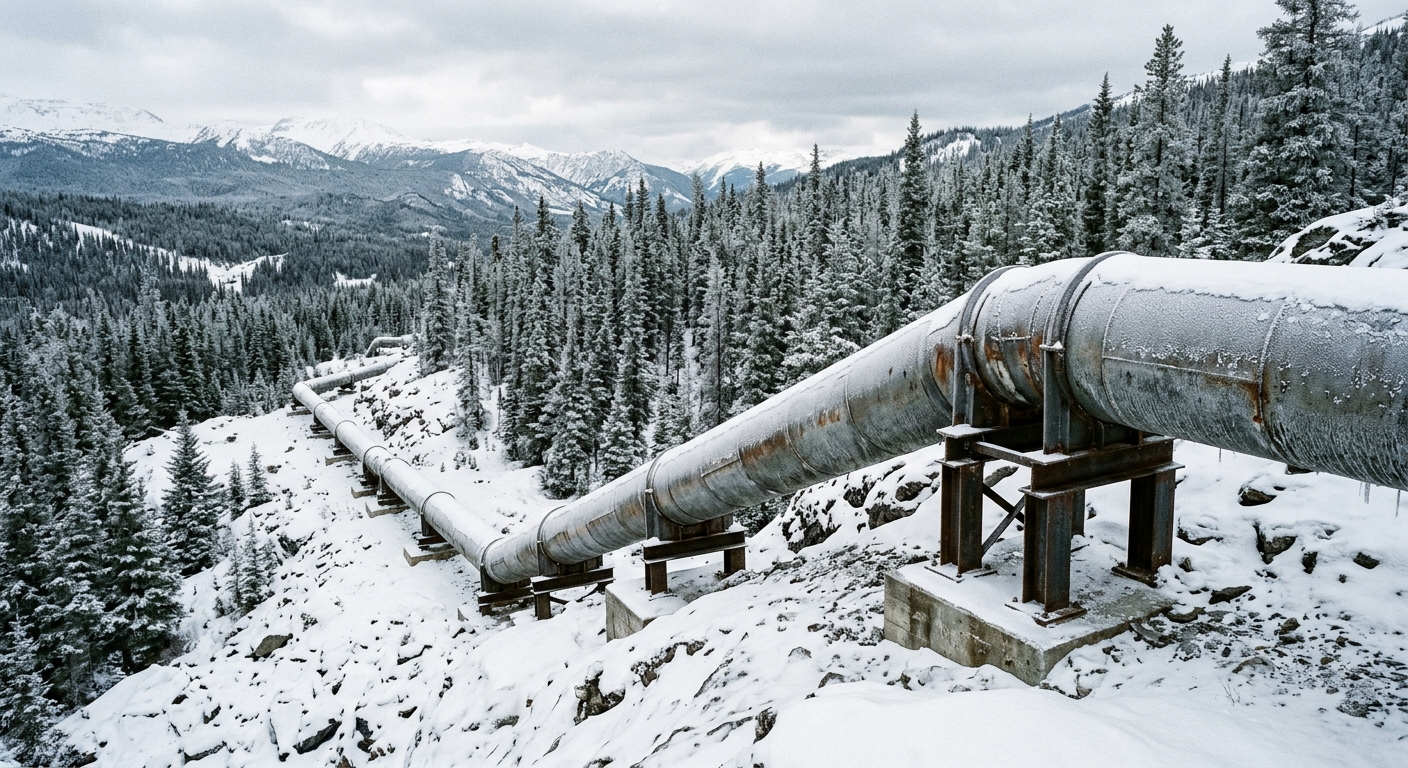
The alaska lng project bill at the center of debate would swap out the existing 2% property tax for a lower tax based on gas throughput—a move supporters argue is critical for pipeline financing. Backers, including industry developers, maintain that without such tax breaks, securing investment for the massive gas pipeline remains virtually impossible. However, some senators are insisting on substantial changes before lending their support.
Calls for Corporate Income Tax and Limited Incentive Duration
Key members within the Senate are pressing for the inclusion of additional corporate income tax measures aimed at large pass-through oil and gas companies. They are also seeking a shorter timeline for the proposed tax incentives. This stance reflects a growing concern among lawmakers about ensuring the project benefits Alaska’s economy over the long-term and does not simply reward major corporations at the state’s expense.
Pressure Mounts as Special Session Nears Deadline
Governor Dunleavy has signaled his urgency by calling a special session focused on passing the alaska lng project bill. The governor has also warned legislators that another session will be called if the measure is not enacted before Friday’s deadline. The stakes are high, with the potential to unlock billions in infrastructure spending for Alaska and establish the state as a leading natural gas exporter in the region. The possibility of veto override attempts continues to complicate the legislative process, as the governor recently vetoed nine separate bills—some with bipartisan support.
Senate Minority Pushes for House Bill Vote
The Senate’s minority Republicans have grown increasingly frustrated with the closed-door nature of the current legislative negotiations. Republican lawmakers are pressing for an immediate floor vote on the version of the lng tax bill passed by the House. Senator Robb Myers underscored the urgency, warning that failure to pass the incentive package would leave Alaska reliant on costly gas imports—an outcome he describes as detrimental to both consumers and local industry.
Committees Poised for Amendments as Deadline Looms
Senate President Gary Stevens expressed optimism that a revised pipeline tax proposal will soon advance from the Finance Committee, paving the way for full Senate deliberation. Debate is expected to continue over possible amendments, including the scope and duration of tax relief, ensuring a robust process before any bill reaches final passage. Should amendments be adopted, the legislation would return to the House for further consideration—a procedural hurdle that could test the resolve of all parties amid a compressed timeline.
Communities Await Decision’s Impact
Across Alaska, municipalities and energy stakeholders are monitoring the outcome closely, as the decision could unlock new opportunities for local businesses and public revenues. The alaska senate faces the challenge of balancing statewide economic development with fair revenue policies and public accountability. With billions of dollars and Alaska’s energy future at stake, the next few days in the state capitol promise to be decisive for the alaska lng project and the broader regional economy.