- calendar_today May 18, 2026
ANCHORAGE, Alaska — Facing unprecedented pressures from environmental shifts and dwindling fish stocks, Alaska fisheries find themselves at a critical juncture. From the Bering Sea coasts to rural Indigenous communities, the ongoing resilience of the region’s fisheries remains closely tied to effective, science-driven management.
Complex Threats Challenge Resilient Fisheries
Multiple threats are converging upon Alaska’s fishing sector. Salmon declines have revealed weaknesses in longtime harvest traditions, while the collapse of certain crab populations—once pillars of local economies—has eroded stability for fishing-dependent communities. Compounding these problems are shifts in cod stocks and widespread ocean changes, driven by warming temperatures and altered marine food webs.
The Role of Science-Based Management
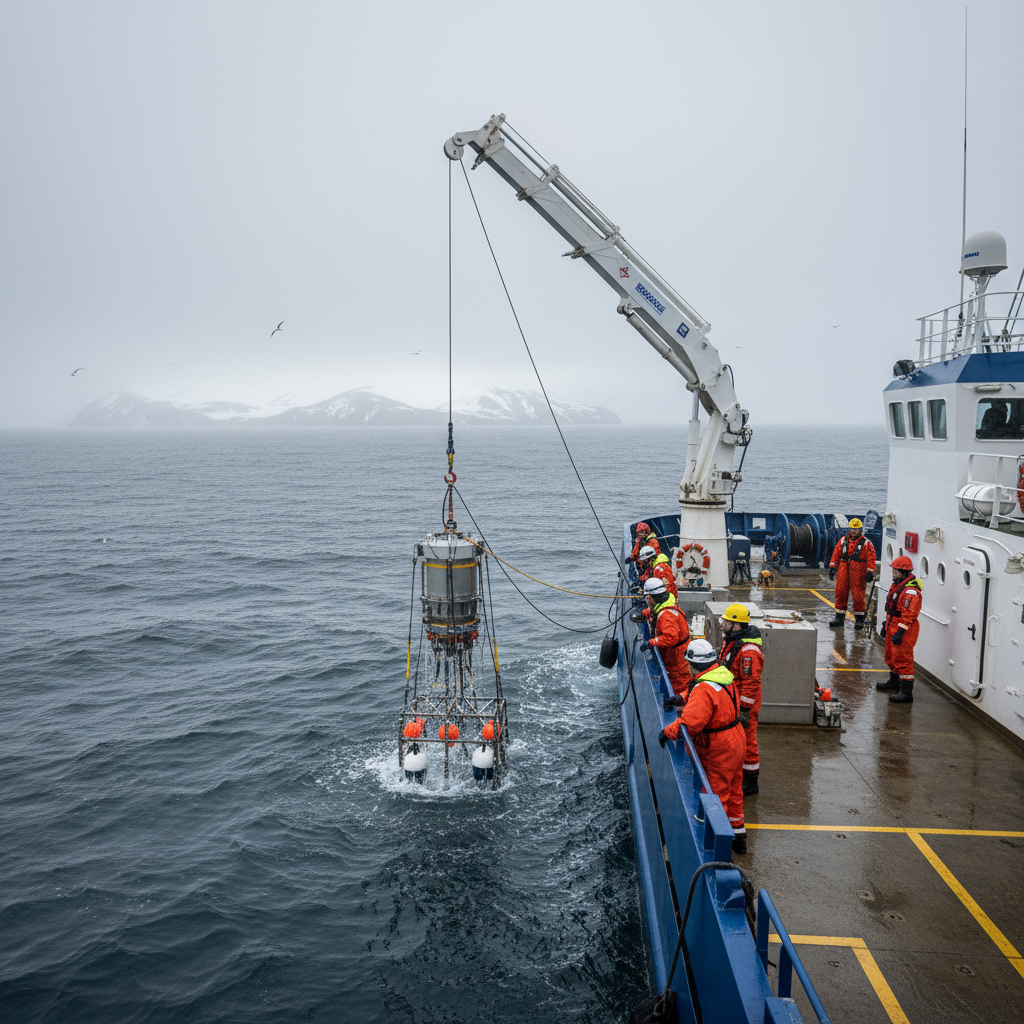
In response, Alaska has committed to science based management rooted in decades of research. This approach goes beyond regulatory adjustments, taking into account entire ecosystems and leveraging real-time monitoring to continuously refine fishery management strategies. Local institutions have embraced ecosystem based approaches, marrying traditional knowledge with modern data to remain flexible amid fast-paced environmental changes.
Pollock Fishery Exemplifies Adaptive Strategies
The Bering Sea pollock fishery, one of the world’s largest and most valuable, demonstrates how adaptive measures are critical. Managers regularly reassess quotas, bycatch rules, and spatial closures, adjusting policy in response to the latest stock assessments and ecosystem findings. This kind of iterative management is designed to minimize harm not just to target species, but also to reduce ecosystem disruption and ensure bycatch reduction.
Protecting Indigenous and Rural Communities
For indigenous communities and rural towns throughout Alaska, fisheries offer both livelihood and cultural significance. The reliability of salmon runs connects generations and sustains entire village economies. The stakes of poor management are severe: without dependable fish stocks, both household sustenance and local traditions suffer. An adaptive, science-informed approach considers community needs, aiming for equitable fisheries sustainability rather than singular economic or political motivations.
Environmental Change Demands Flexibility
With ocean conditions shifting and global pressures on marine resources intensifying, Alaska’s management systems must demonstrate humility and flexibility. One-size-fits-all or politicized solutions threaten to undercut the advances made over years of evidence-based practice. Evolving both policy frameworks and data collection—through ongoing research and direct engagement with affected communities—remains essential to adapt to the changing landscape.
The Path Forward: Evidence Over Emotion
Recent calls for drastic action, such as sweeping bans on specific gear types, highlight the temptation to embrace quick fixes. Fisheries experts caution, however, that abandoning a measured, science based management approach for emotionally charged interventions risks unraveling decades of progress and undermining public trust in stewardship. Transparent, informed debate is crucial, ensuring that management responds to new data and stays attuned to Alaska’s unique challenges and opportunities.
As Alaska’s environment evolves, so too must its management strategies. Through continued commitment to science, dialogue, and adaptive policy, the region’s fisheries can remain a sustainable foundation for generations to come.